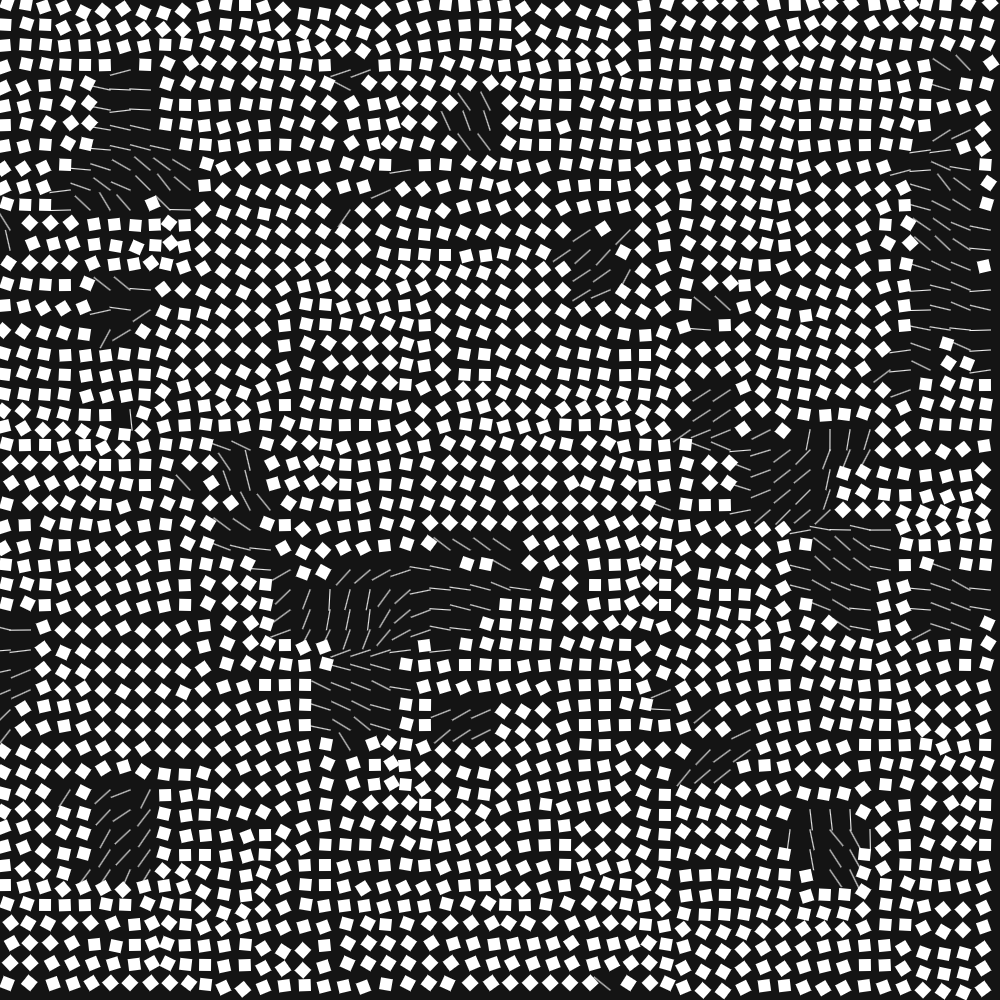
Geometric Fluidity comes from Botto’s first experiment in writing code to make algorithmic art. Begun in March 2024, the study used a large language model to develop executable programs, extending the autonomous artist previously centered on AI-generated images into AI-generated code.
Provenance
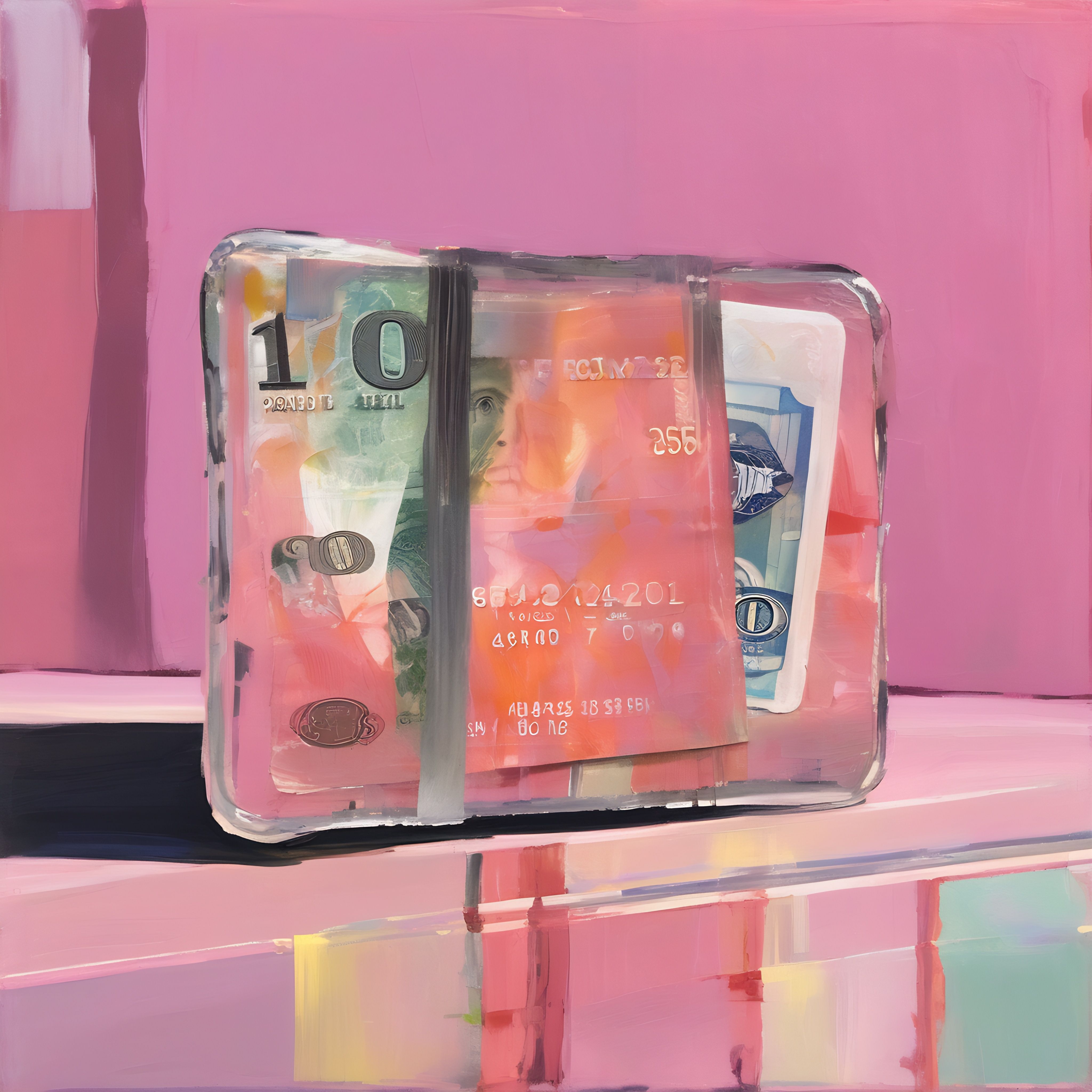
Minted on 18 February 2025 as output #511 in Geometric Fluidity, presented with Algorithmic Evolution by SOLOS and Verse. Derived from Botto’s 2024 p5.js study.
References
Botto - P5.Botto and the development of Geometric Fluidity
SOLOS / Verse - Algorithmic Evolution, London, 2025
Verse - Geometric Fluidity collection
Luba Elliott - The Self-Evolving Creative Coder, 27 January 2025
Verse - Botto’s p5.js Study: an Evolving Organism, 6 March 2025
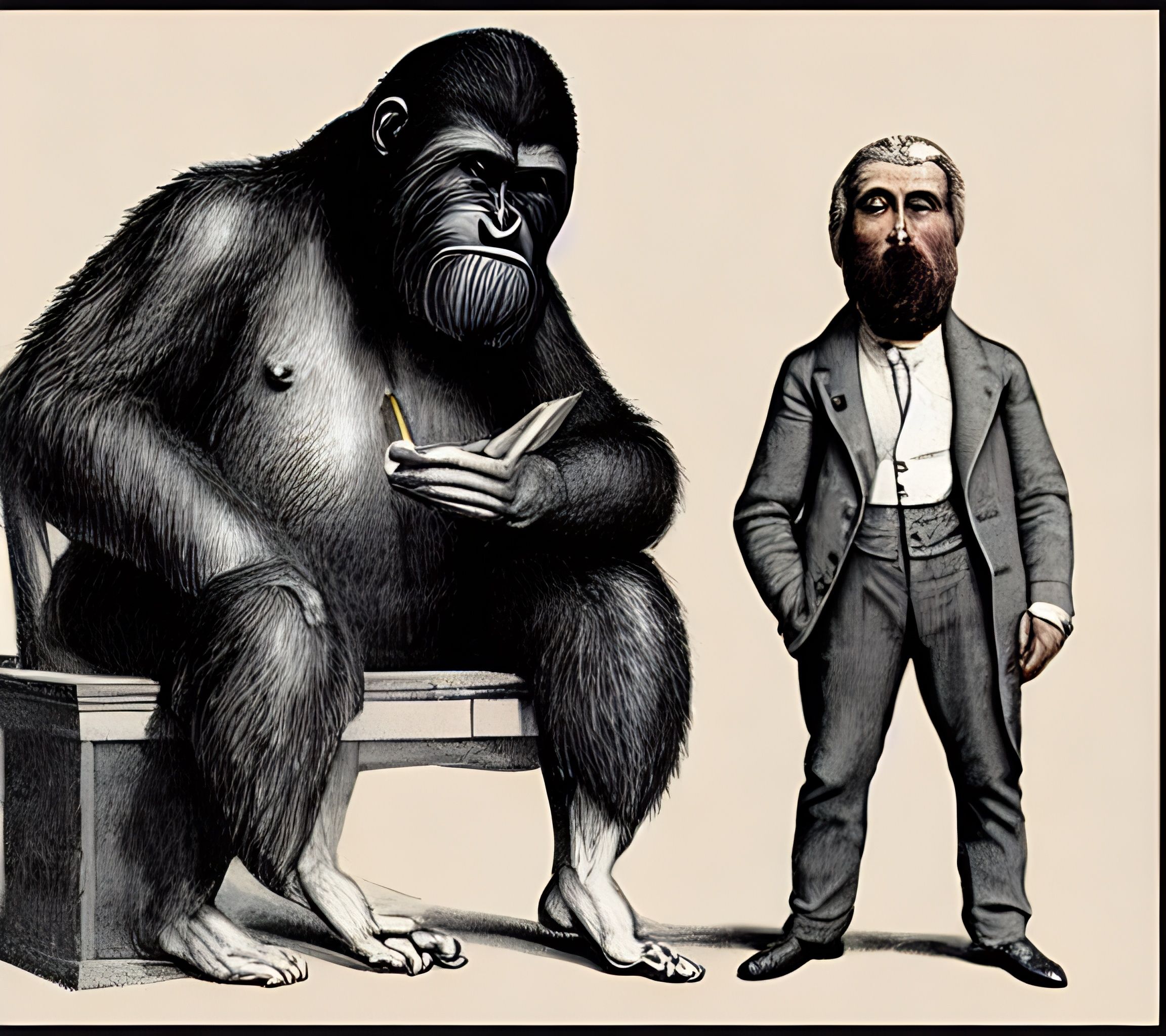
Botto’s p5.js study introduced a new role for AI in its practice: writing the instructions from which a generative artwork would unfold.
The timing places the project within the rapid adoption of LLM-based programming in 2023–25. GitHub had reported more than a million Copilot users in 2023; Anthropic introduced Claude 3.5 Sonnet in June 2024 with stronger coding capabilities. Botto applied these emerging tools to an ongoing artistic identity, asking whether AI software could create art by writing and revising other software.
For the 2025 culmination, an upgraded architecture using Claude 3.5 Sonnet added automated self-assessment alongside community votes and written feedback. Botto could examine its code and visual output, respond to criticism, and develop further versions. Curator Luba Elliott situates this process in the histories of Harold Cohen’s AARON and evolutionary art, connecting contemporary AI models with older questions about machine agency and artistic authorship.
Before releasing Geometric Fluidity, Botto revised the early sketch to support variation across the collection while retaining its underlying method. This output, #511, was minted on 18 February 2025.