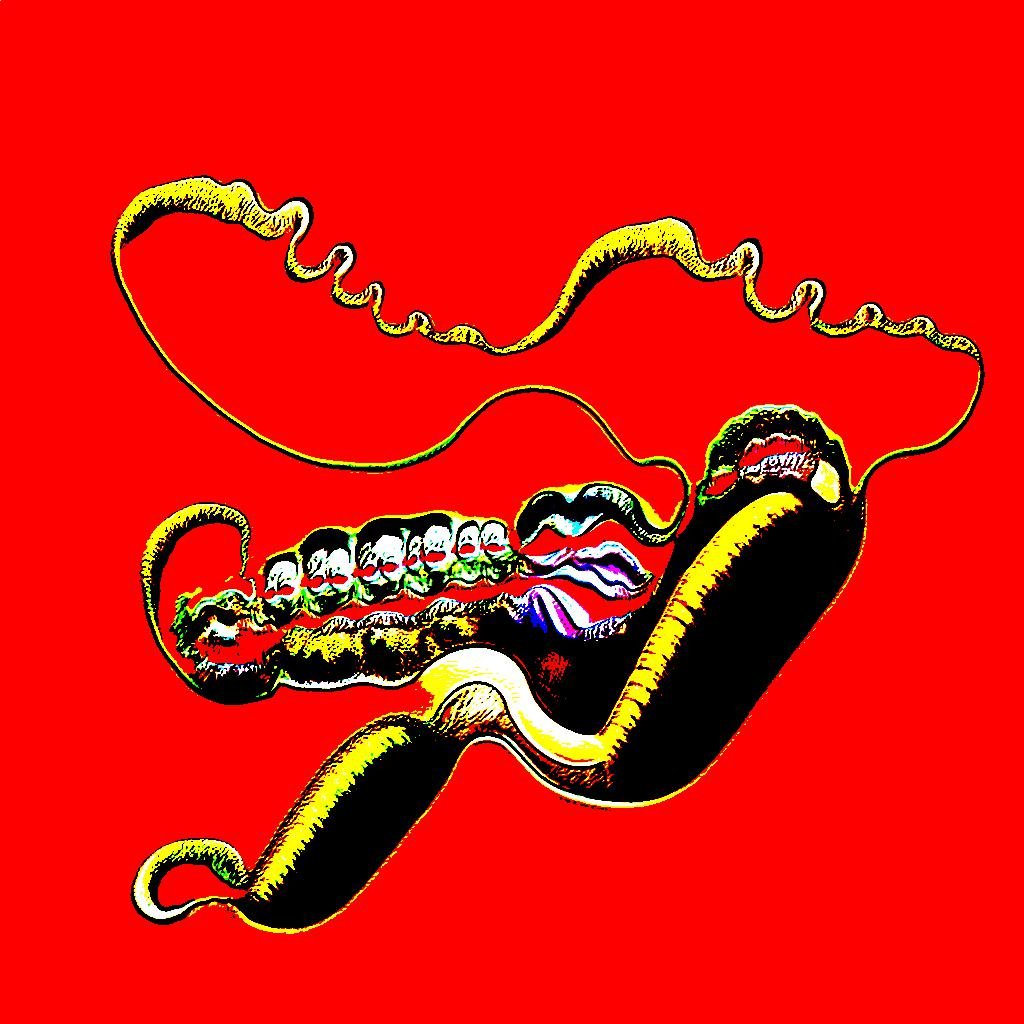
Klingemann gave a neural network an impossible pose. The resulting image holds together as a human figure even as its anatomy comes apart.
Provenance
Klingemann uploaded this image to Flickr on July 17, 2018, at 13:34:50 UTC under the title Chicken or Beef? Series 1. All 40 images in Fellowship’s later selection can be matched to uploads from that day. Fourteen bear that title and 26 are titled Chicken or Meat? Series 1. View #29 on Flickr.
Minted on Ethereum as Chicken or Beef #29 on September 9, 2025, for Fellowship’s release of Klingemann’s early works.
Entered the collection in 2026.
Exhibitions
The series was included in Mario Klingemann: Early Works, 2007–2018, Fellowship, London, September 25–October 9, 2025.
References
Mario Klingemann. Chicken or Beef? Series 1. Original Flickr upload for #29, July 17, 2018.
Luba Elliott. “AI through the Technologist’s Eye.” Flash Art, December 5, 2017.
Robbie Barrat. Generated nude portraits. Twitter, March 27, 2018.
Robbie Barrat. Landscapes and Nude Portraits. Artist’s account of the 2018 series.
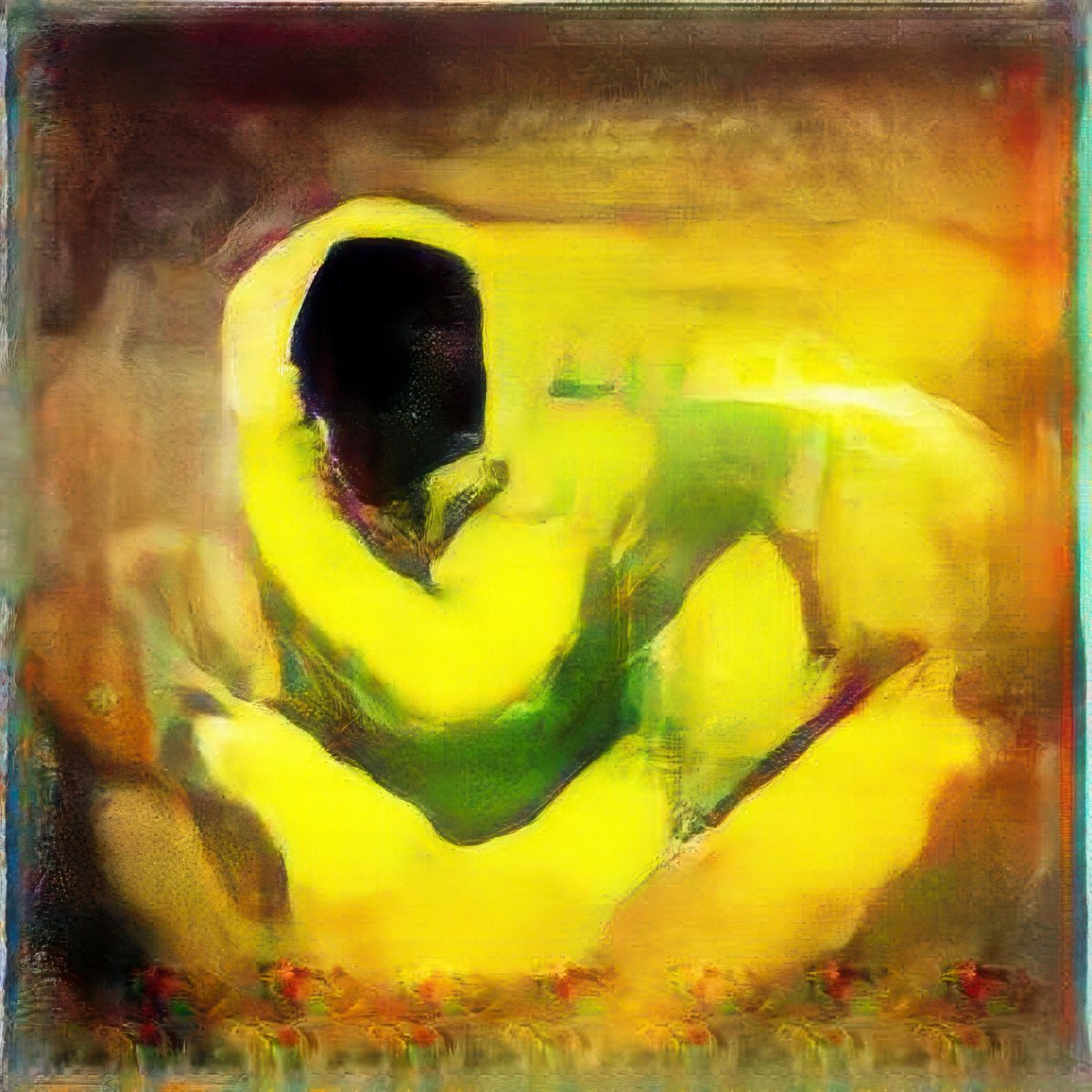
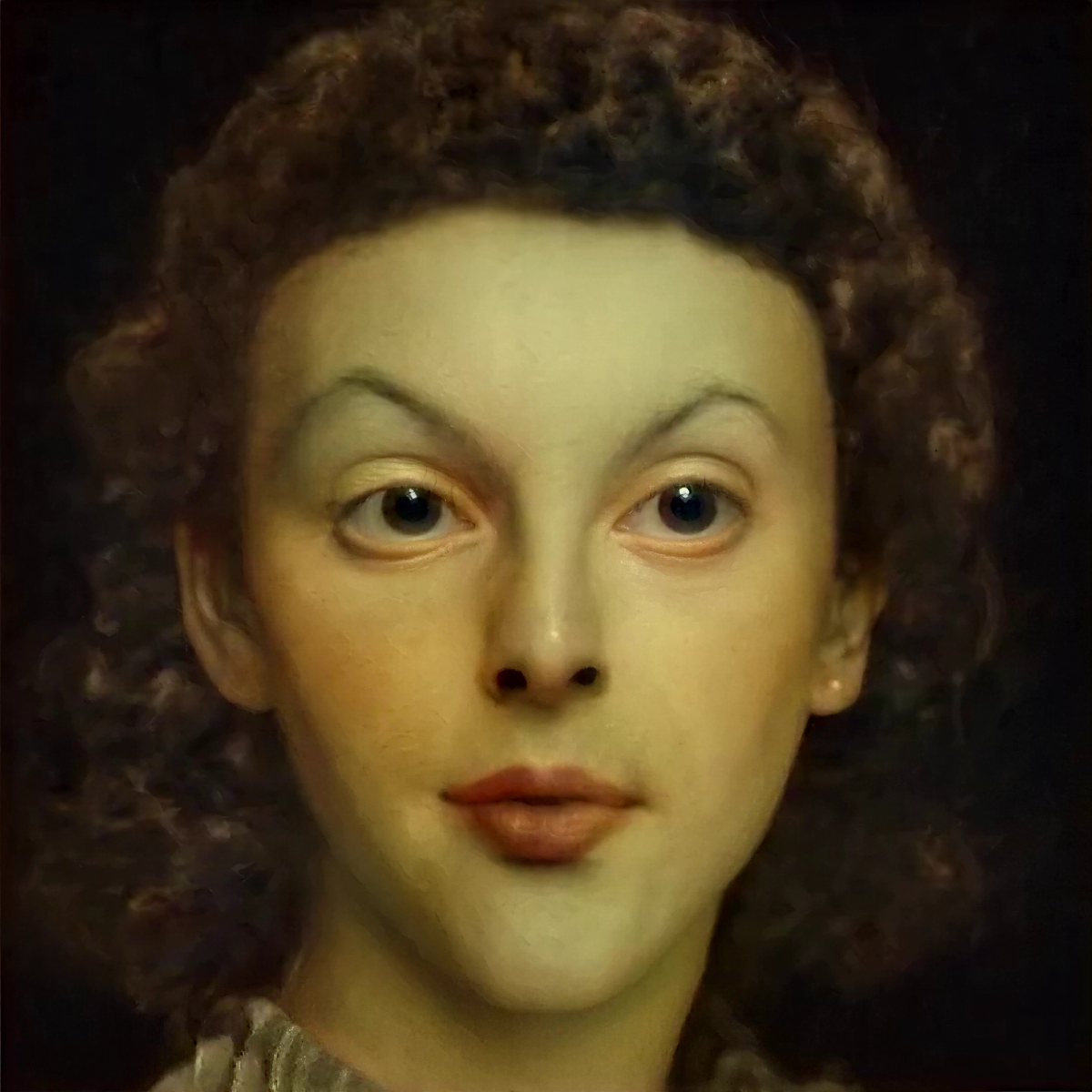
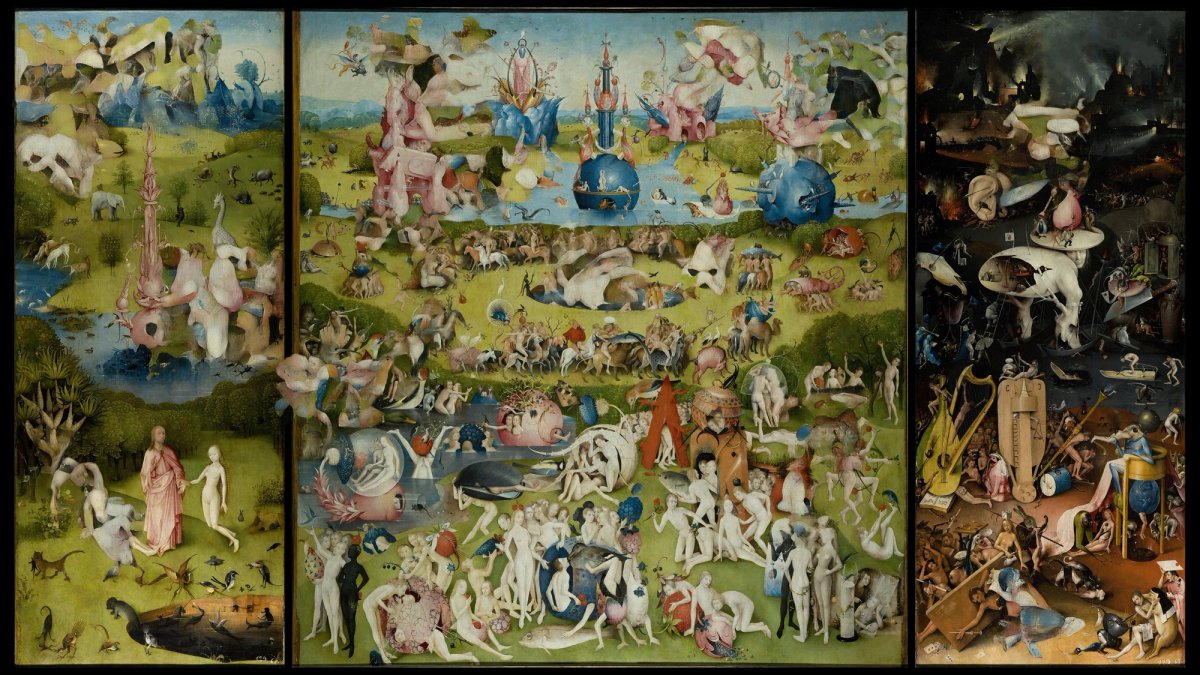
Chicken or Beef grew out of Klingemann’s experiments with teaching a neural network to render a body from its pose. In 2017 he paired full-length photographs, many drawn from pornography, with stick figures describing the positions of the people in them. That work led to the contorted figures of his Imposture series.
For Chicken or Beef, Klingemann pushed the poses beyond what a person could hold. His 2018 Flickr uploads identify two tools. He used DensePose, which maps the surface of a body in a photograph, and pix2pixHD, a network trained to translate a pose map into a photographic image. Given an impossible arrangement of limbs, the network still supplied skin, creases, and shadows.
On the day Klingemann posted the series to Flickr, guests at Christie’s Art+Tech Summit in London received cards redeemable for individual frames of Robbie Barrat’s AI Generated Nude Portrait #7. The 300 frames became known as the “Lost Robbies.” Barrat had already posted examples of his generated nudes on March 27, 2018. He trained a progressively grown generative adversarial network on paintings of nudes gathered primarily from WikiArt. It learned to render folds of flesh more readily than the structure of a whole body. Klingemann reached a similar visual result by asking his model to render the anatomy of a pose he supplied.
The artists’ accounts describe separate experiments with the nude. Barrat did identify a direct debt to Klingemann in his fashion work. On August 20, 2018, he credited Klingemann with combining DensePose and pix2pix, a method Barrat used to reconstruct Balenciaga outfits from runway poses.