Neural Abstractions represents Klingemann's breakthrough into AI-assisted image generation, using early deep neural networks to summon surreal new visions.
Provenance
On January 12, 2017, Klingemann posted this image on Flickr under the unnumbered title Neural Abstraction. His caption identifies both stages of the process. A Plug & Play Generative Network generated the image, and a conditional generative adversarial network transformed and enlarged it.
Minted on Ethereum on September 3, 2025, as Neural Abstraction #32. Offered in Fellowship’s October 2025 auction for Early Works, 2007–2018.
Entered the collection in 2026.
Exhibitions
Kate Vass Galerie presented the series at NOISE Media Art Fair, Istanbul, January 17–21, 2024.
Mario Klingemann: Early Works, 2007–2018, Fellowship, London, September 25–October 9, 2025.
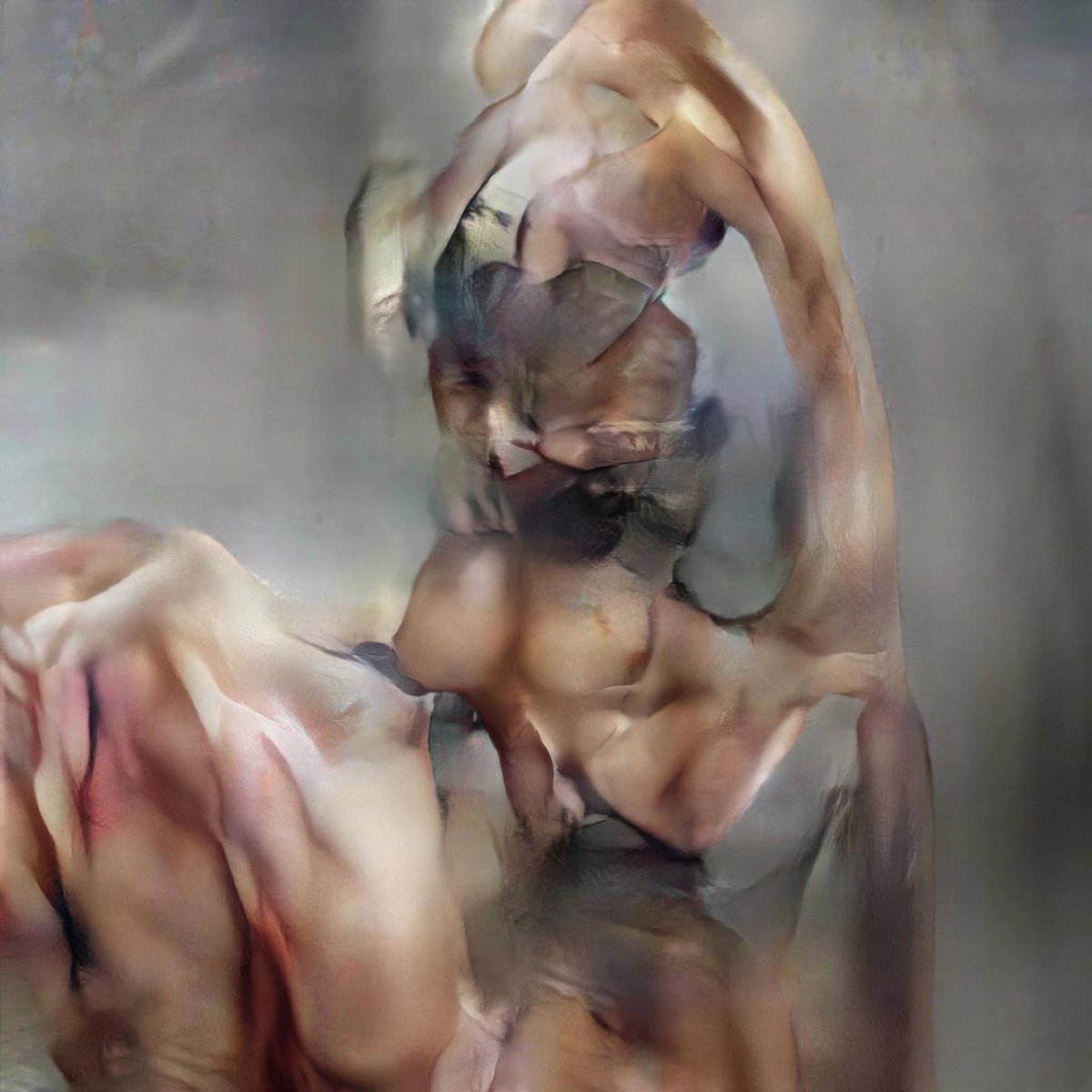
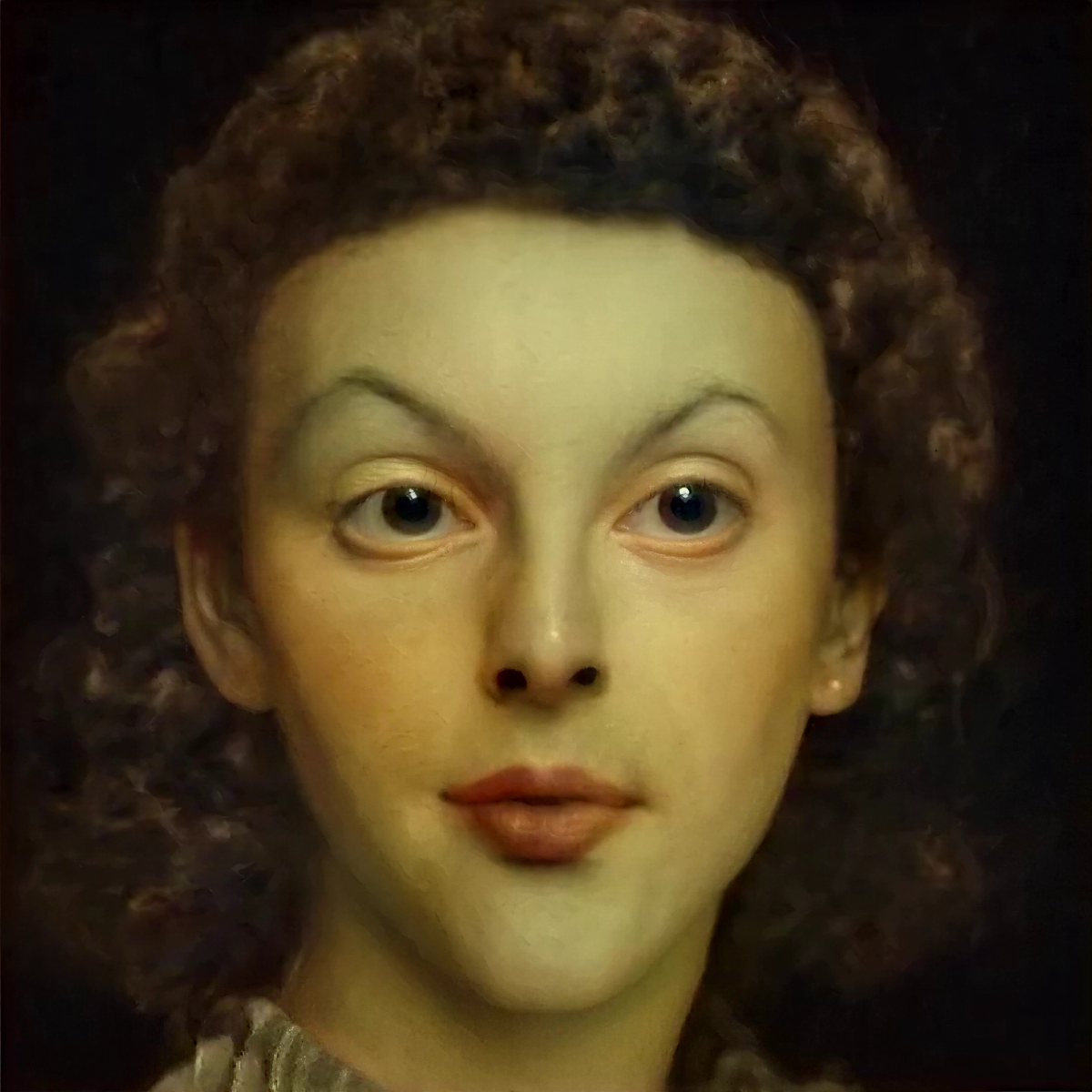
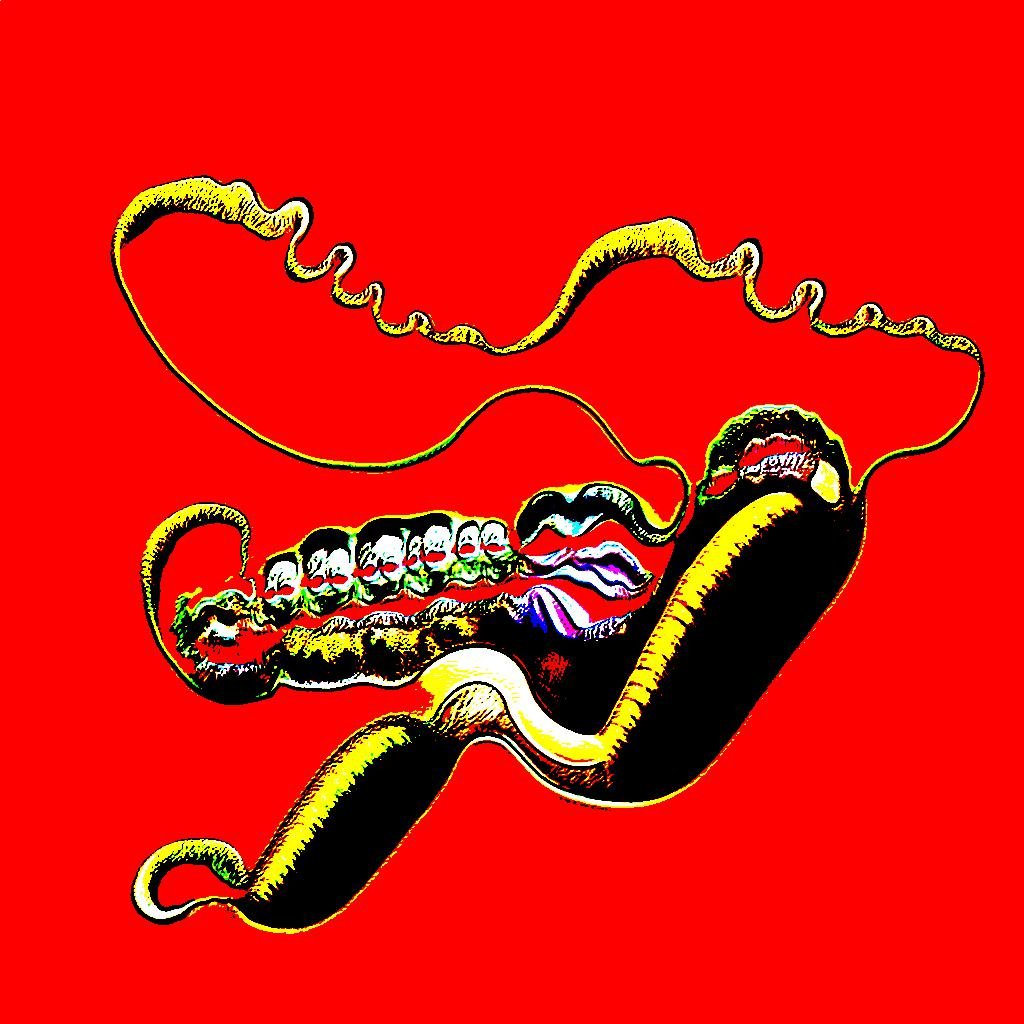
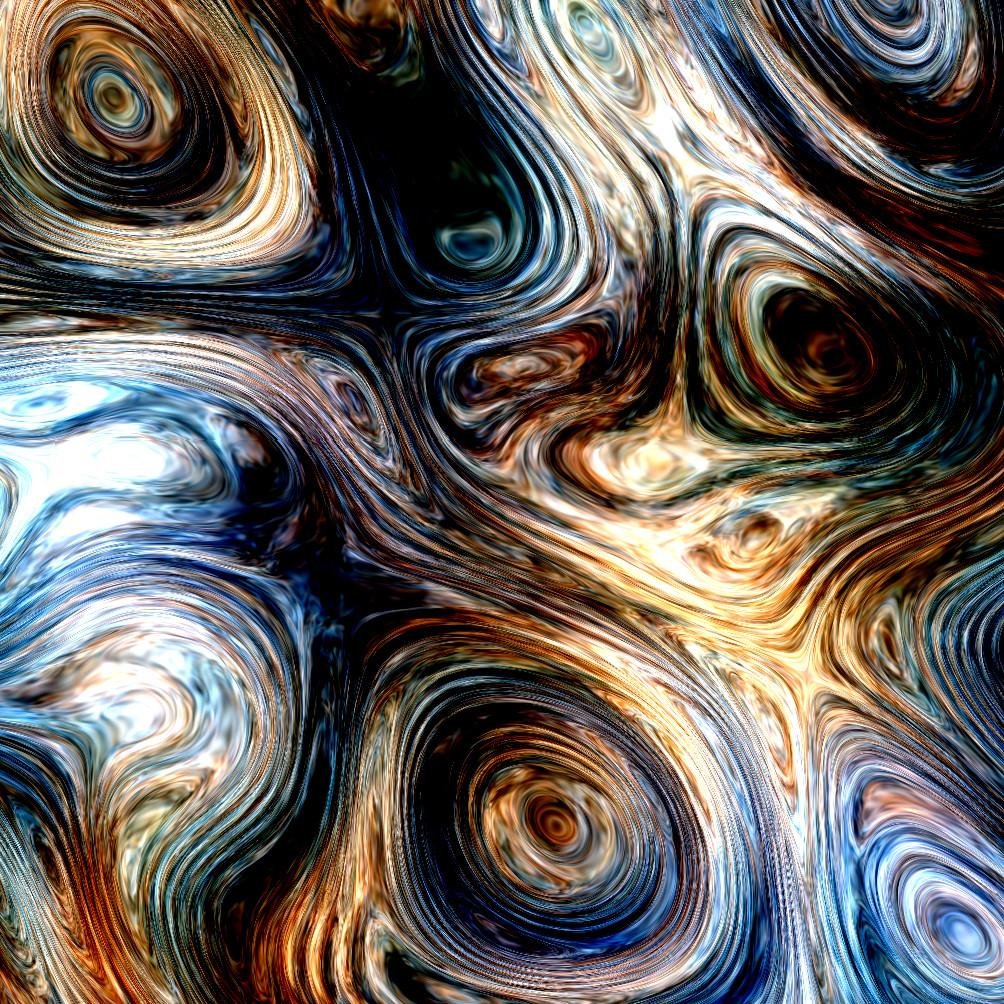
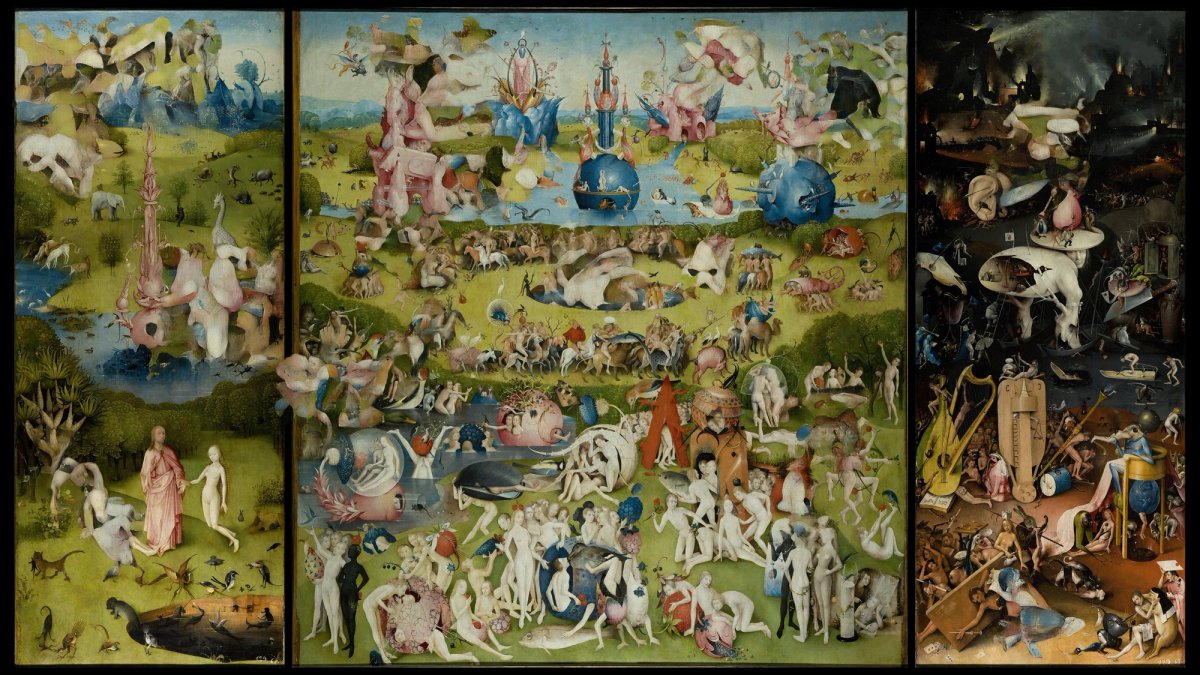
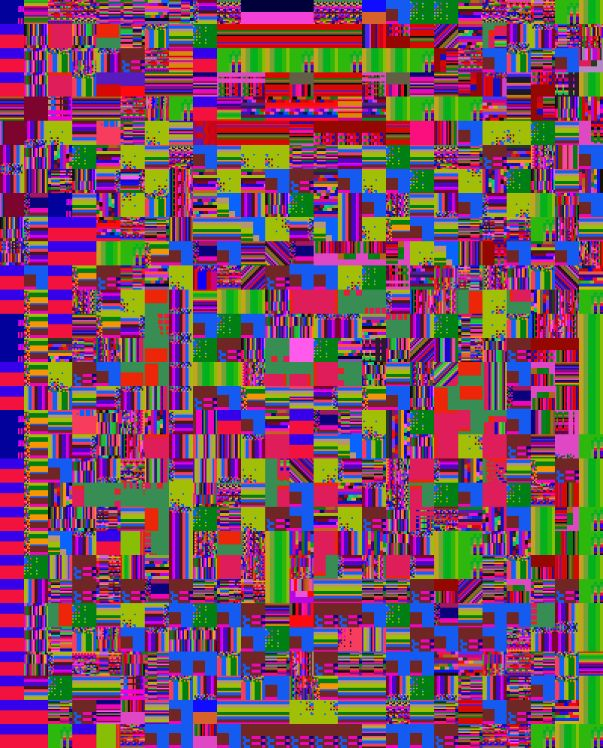
This series of works grew out of experiments with Plug-and-Play Generative Networks (PPGN), a technique that coexisted with generative adversarial networks (GANs), allowing artificial intelligence (AI) to generate images by maximizing the outputs of a classifier rather than by direct synthesis.
For Neural Abstractions, Klingemann sorted tens of thousands of images, including record sleeves, nineteenth-century book illustrations and erotic photographs, into categories of his own choosing. He trained classifiers to recognize those categories. Klingemann fed the PPGN a target concept, not via text prompt, but via a classifier node such as “portrait” or “map”. The neural network then varied an image until it strongly activated the chosen category. The AI groped toward forms without ever fully resolving them, offering a base understanding of composition and interesting colors while producing proto-figures that hover on the brink of recognition.
To overcome the low-resolution limits of 2016-era networks, Klingemann invented transhancement, a signature technique that iteratively upscales images while intentionally amplifying the AI’s own digital glitches. He passed the small, soft-edged result through a second network based on pix2pix. With each enlargement this network inferred new detail, sharpening contours and introducing textures that the first image had only suggested.
When Klingemann posted this image in January 2017, he was also artist in residence at Google’s Cultural Institute in Paris, where his project X Degrees of Separation used machine learning to trace visual affinities between works in museum collections.
Neural Abstractions affirmed Klingemann’s place as a pioneer of art made with neural networks (AI).