
Artist · 1937–present
Hein Gravenhorst
German
Berlin, Germany · Winnenden, Germany
Hein Gravenhorst (b. 1937) is a German artist and founder of generative photography. His photomechanical experiments of the 1960s used rotation, translation and repeated exposure to construct images through controlled procedures. Later computer works and animations extend this investigation into digital generative art.
In the collection
1 work
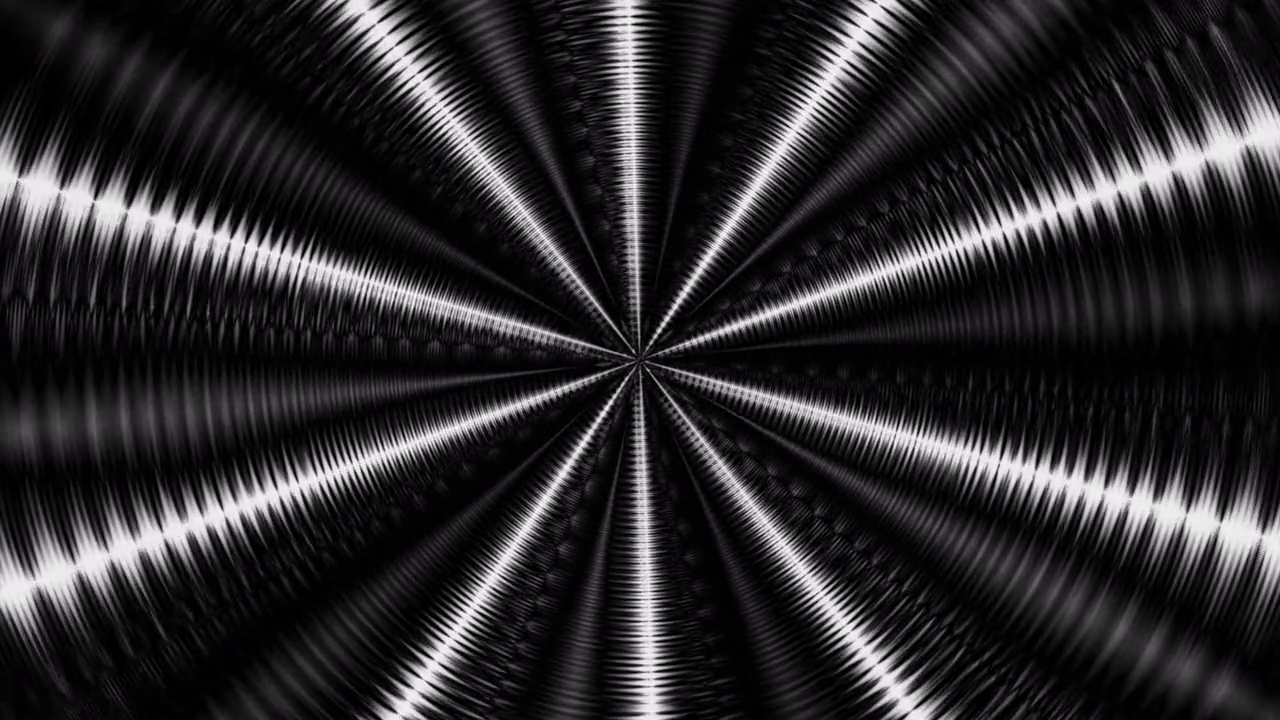
Hein Gravenhorst is a central figure in the development of generative photography, an approach in which the photographic process produces a visual structure through a defined sequence of operations. His images turn attention toward light, repetition and transformation. Rings, rays and dense fields of repeated elements emerge from a procedure that the artist designs and controls.
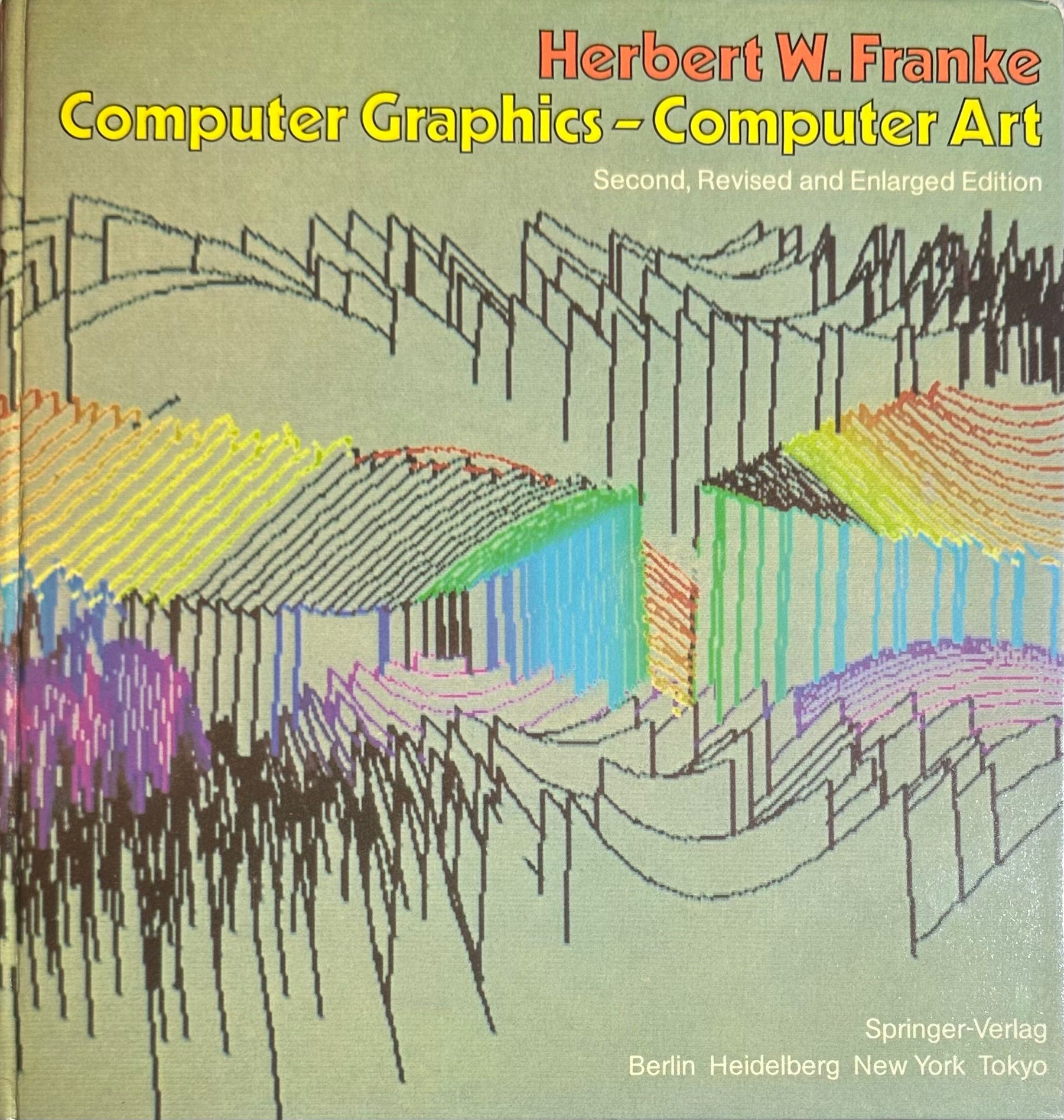
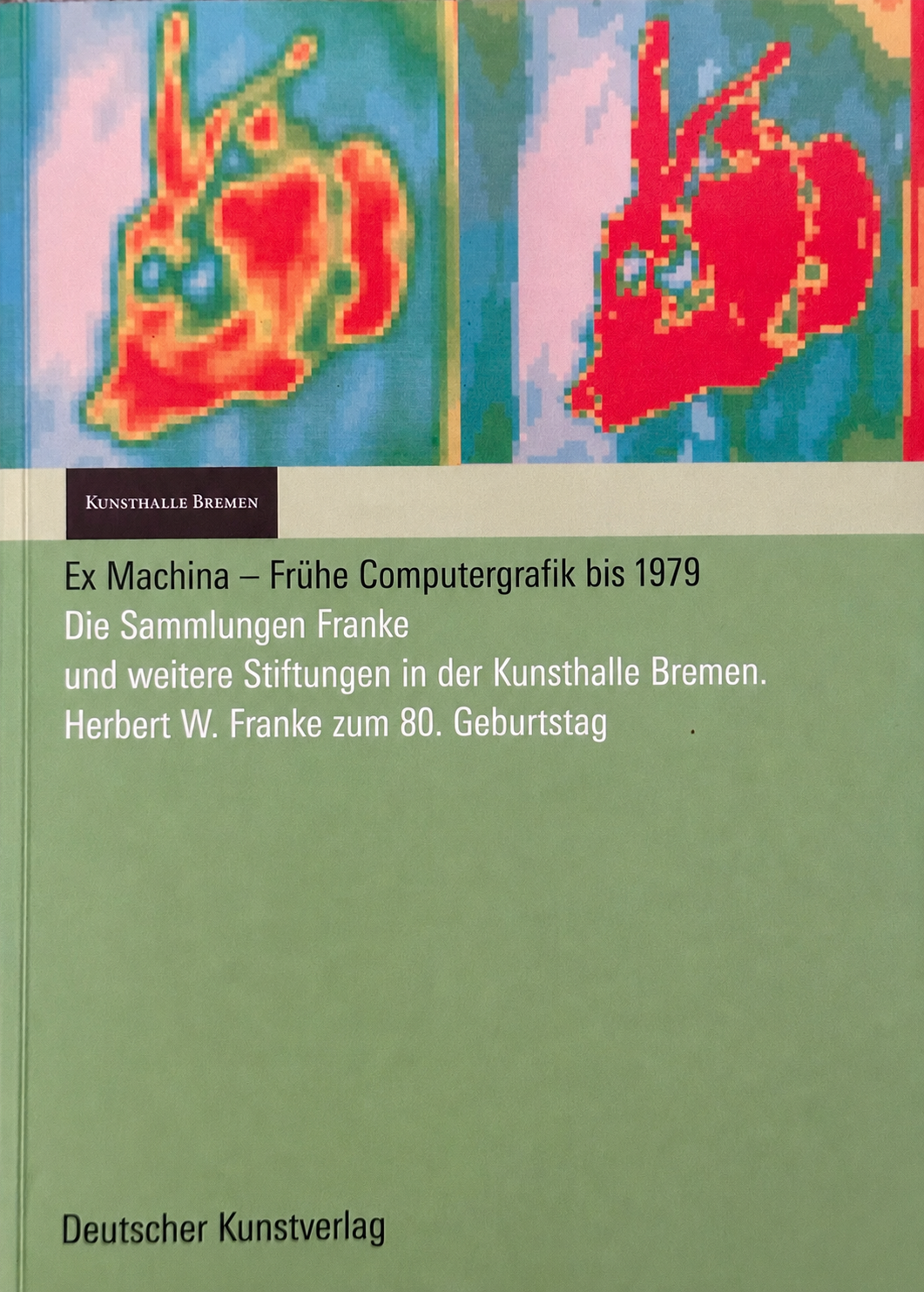
Born in Germany in 1937, Gravenhorst trained in photography, graphics and film in Berlin and Munich. Work in animation gave him practical experience with the construction of images through successive stages. In 1963 he established a studio in Winnenden near Stuttgart, where he collaborated with Manfred Kage on images made through crystal optics. He met Herbert W. Franke in 1964, placing his experiments in contact with an emerging discussion of art, technology and information aesthetics.
His photomechanical transformations of the mid-1960s combined optics, photographic chemistry and carefully controlled mechanical movement. Repeated exposures, rotations and shifts produced intricate arrangements from elementary components. These were analog works: their systematic method connected them to computer art, while their physical production depended on photography.
In 1968 Gravenhorst exhibited with Kilian Breier, Pierre Cordier and Gottfried Jäger in Generative Fotografie at the Städtisches Kunsthaus in Bielefeld. The exhibition gave a name to an approach that treated the production of the image as its subject. Related interests in number, system and program brought this photography into dialogue with the rational aesthetics associated with Max Bense and the early exhibitions of computer art.
The relationship between strict construction and perception remained central. A simple operation could produce a surface that appears to vibrate, radiate or recede in depth. Gravenhorst’s contribution lies in making those effects through an explicit procedure, bringing photographic experiment into the broader field of systematic art. His participation in exhibitions such as Auf dem Wege zur Computergraphik in Karlsruhe in 1969 and Auf dem Wege zur Computerkunst in Davos in 1970 reflects this shared context.
Later digital work continued the investigation through software. Photo Edition Berlin dates his purely digital transformations to 2001. Gravenhorst describes these images as energy fields and encourages viewers to attend to their effects without relying on descriptive titles. Moving-image collaborations introduce duration, allowing changing configurations to unfold around a stable visual structure.
His early work has been revisited in exhibitions at Photo Edition Berlin and Lempertz, alongside presentations connecting the analog and digital phases of his practice. ZKM holds Rotation (1966), a group of six prints. The continuity across his work is a sustained interest in how a limited set of operations can generate an image whose perceptual complexity exceeds the apparent simplicity of its construction.
Exhibitions
- 1968 - Generative Fotografie, Städtisches Kunsthaus, Bielefeld, with Kilian Breier, Pierre Cordier and Gottfried Jäger.
- 1969 - Auf dem Wege zur Computergraphik, uBu, Karlsruhe.
- 1970 - Auf dem Wege zur Computerkunst, Kongresshalle, Davos.
- 1975 - Generative Fotografie, Internationaal Cultureel Centrum, Antwerp.
- 2008–09 - bit international. [Nove] tendencije, ZKM, Karlsruhe, 23 February 2008–18 January 2009.
- 2014 - Konkrete und Generative Fotografie 1960–2014, Teil I: Die Pioniere, Photo Edition Berlin.
- 2015 - Lichtbild und Datenbild: Spuren konkreter Fotografie, Museum im Kulturspeicher, Würzburg.
- 2016 - Lichtreflex: Transformation - Translation - Rotation, 1964–1968, Photo Edition Berlin.
- 2020 - Generative Photography 1964–1968, Lempertz, Berlin, 25 September–30 October.
- 2024 - Gottfried Jäger and Hein Gravenhorst: Generative Photography Revisited, EXPANDED.ART, Berlin, 16 October–5 November.
In the library