

Book
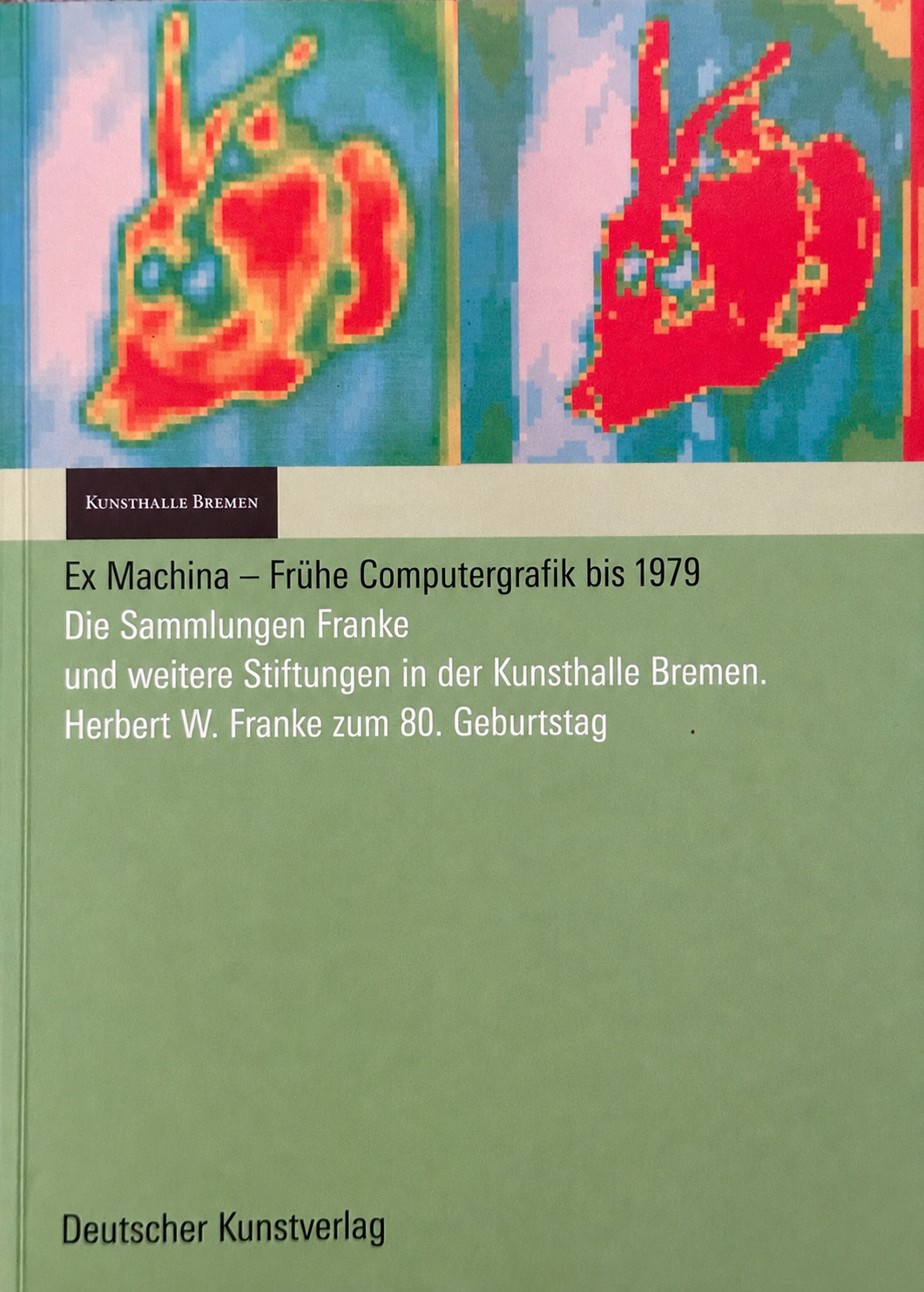
Ex Machina - Frühe Computergrafik bis 1979 / Early Computer Graphics up to 1979
2007Ex Machina is both one of the fullest histories of early computer art and the collection catalogue for one of the world’s most important holdings of early computer graphics. Across more than 500 pages, it combines historical essays, primary testimony, a detailed chronology and approximately 500 catalogue entries tracing the field from analog electronic imagery and industrial CAD to algorithmic, generative and plotter-based art. Extensively illustrated throughout. Contemporary trade bibliography records approximately 757 illustrations, including 680 in color.
- Author / editor
- Wulf Herzogenrath and Barbara Nierhoff-Wielk, editors
- Publisher
- Deutscher Kunstverlag
Berlin, Germany - Format
- Illustrated softcover book with French flaps
- Pages
- 504
- Language
- German and English
Related in the collection
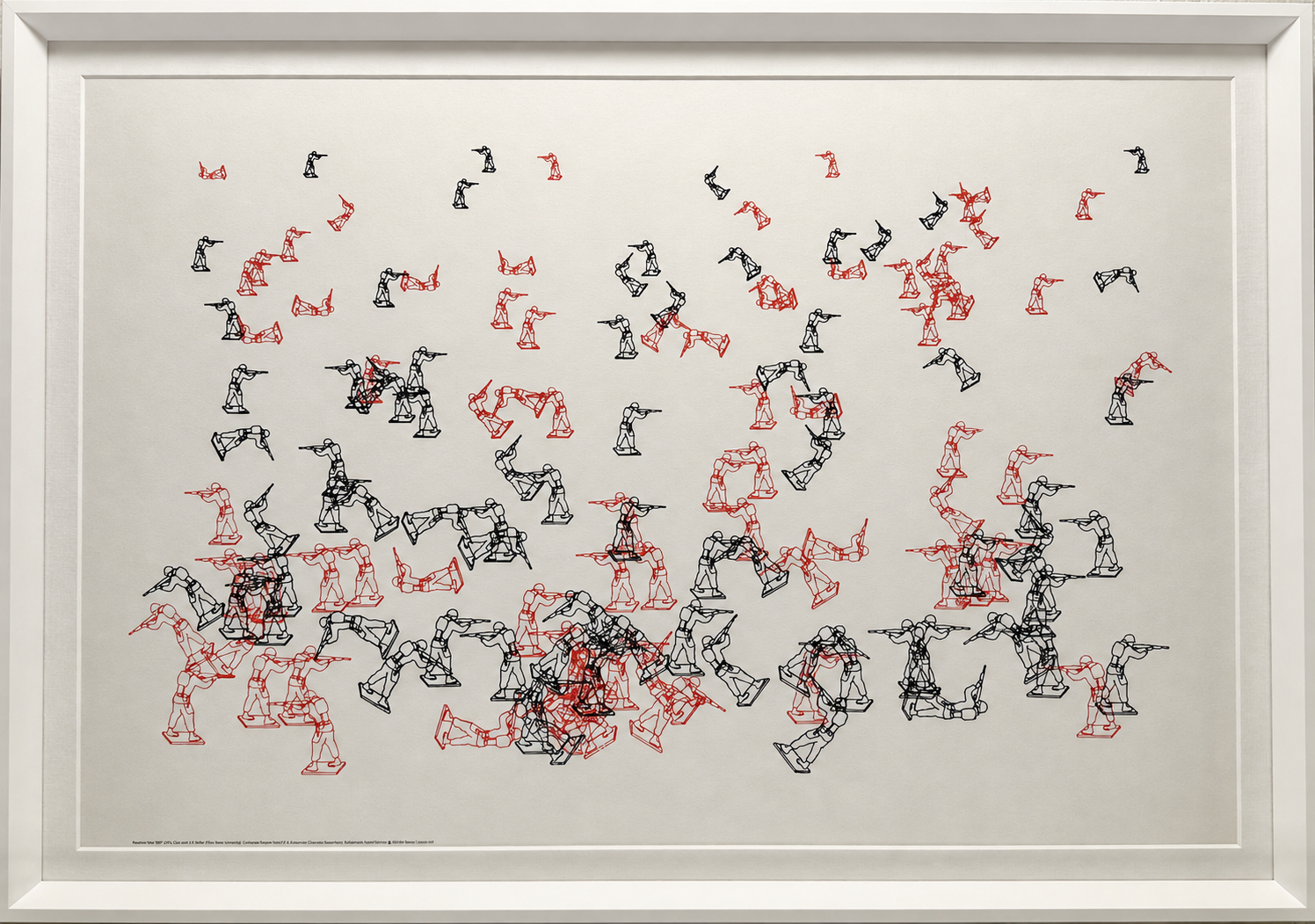
Charles Csuri, 1967
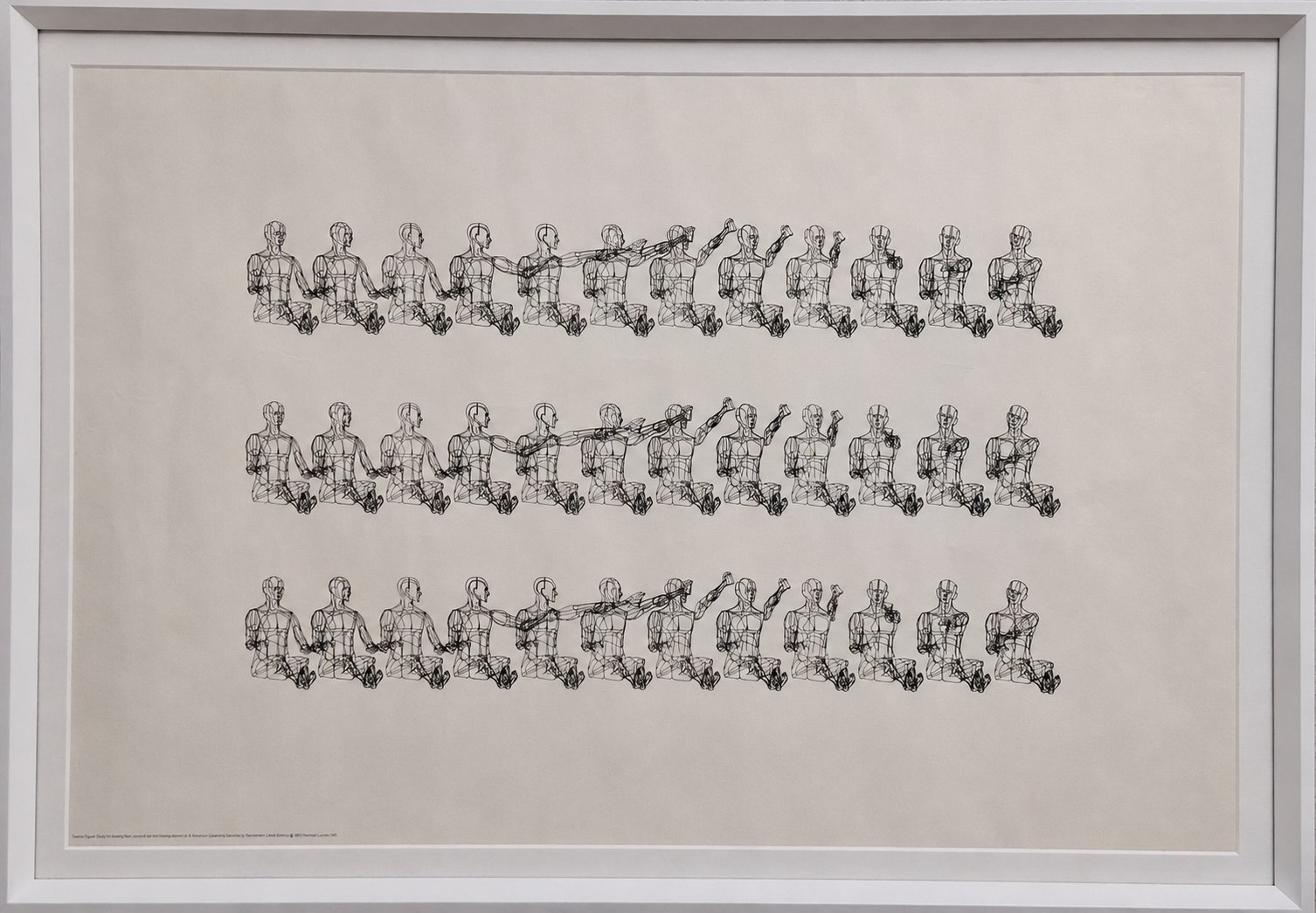
William Fetter, 1968
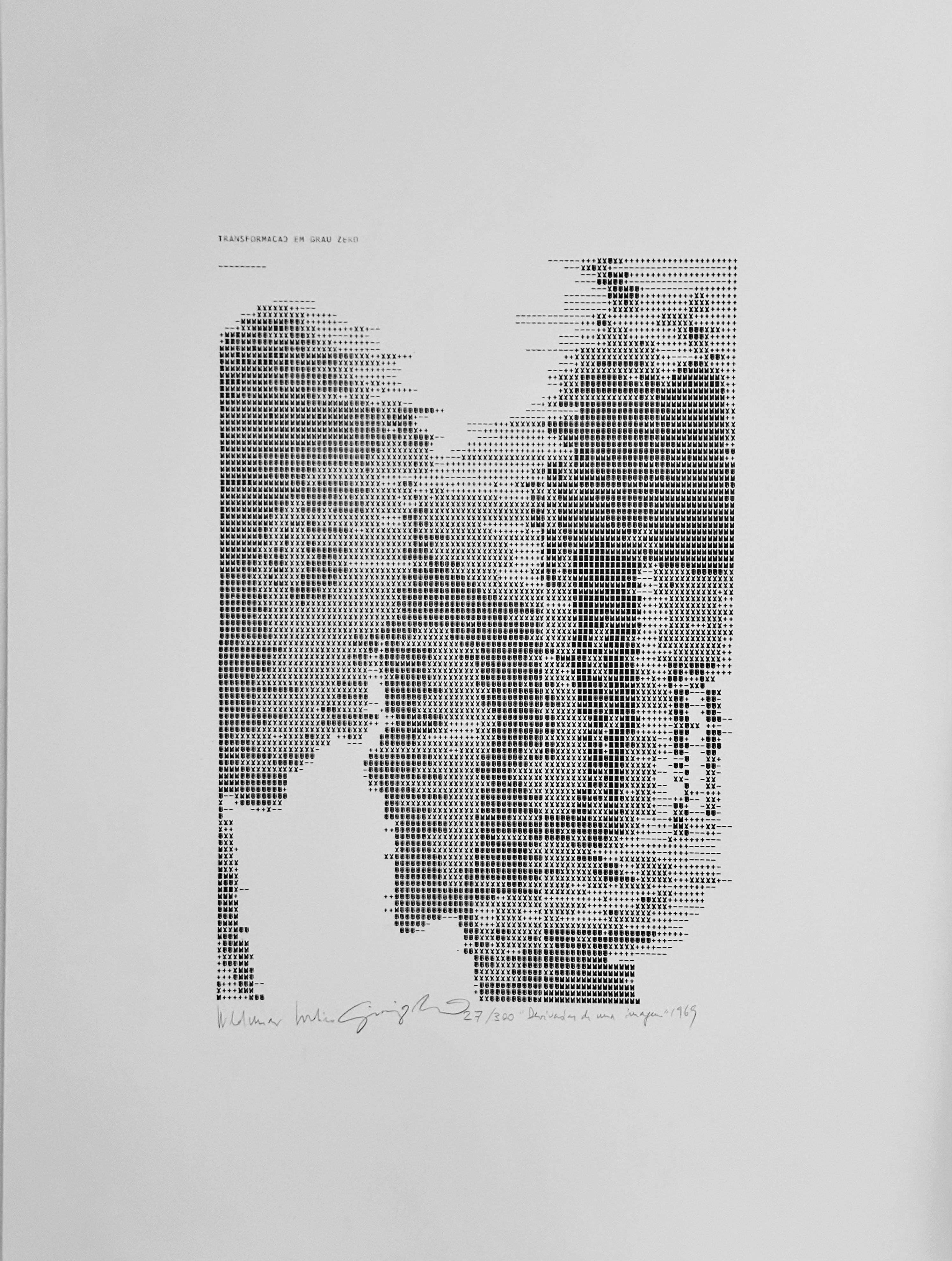
Waldemar Cordeiro, 1969

Fritz Wilhelm Winckel, 1930
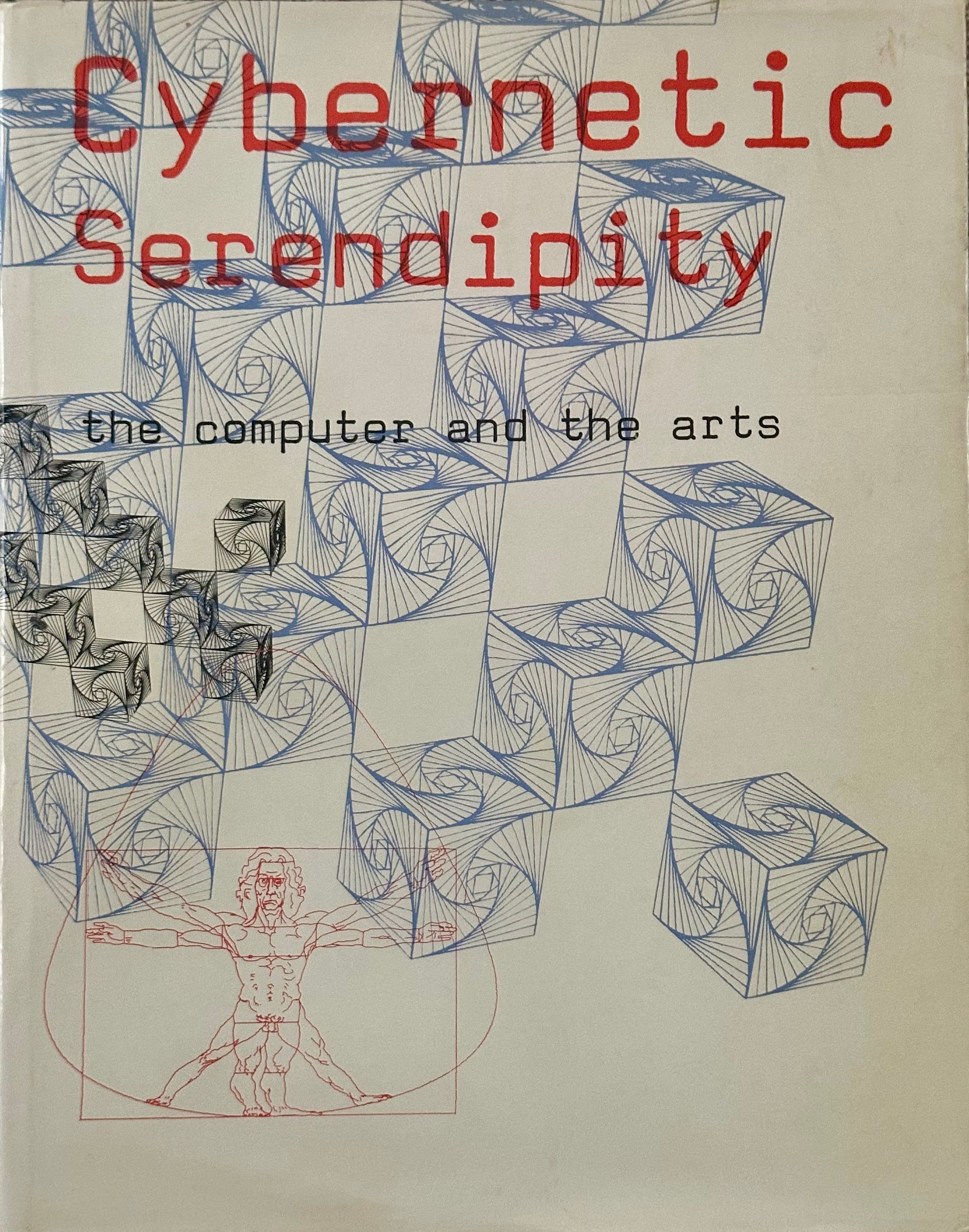
Jasia Reichardt, editor. Franciszka Themerson, design & layout., 1968
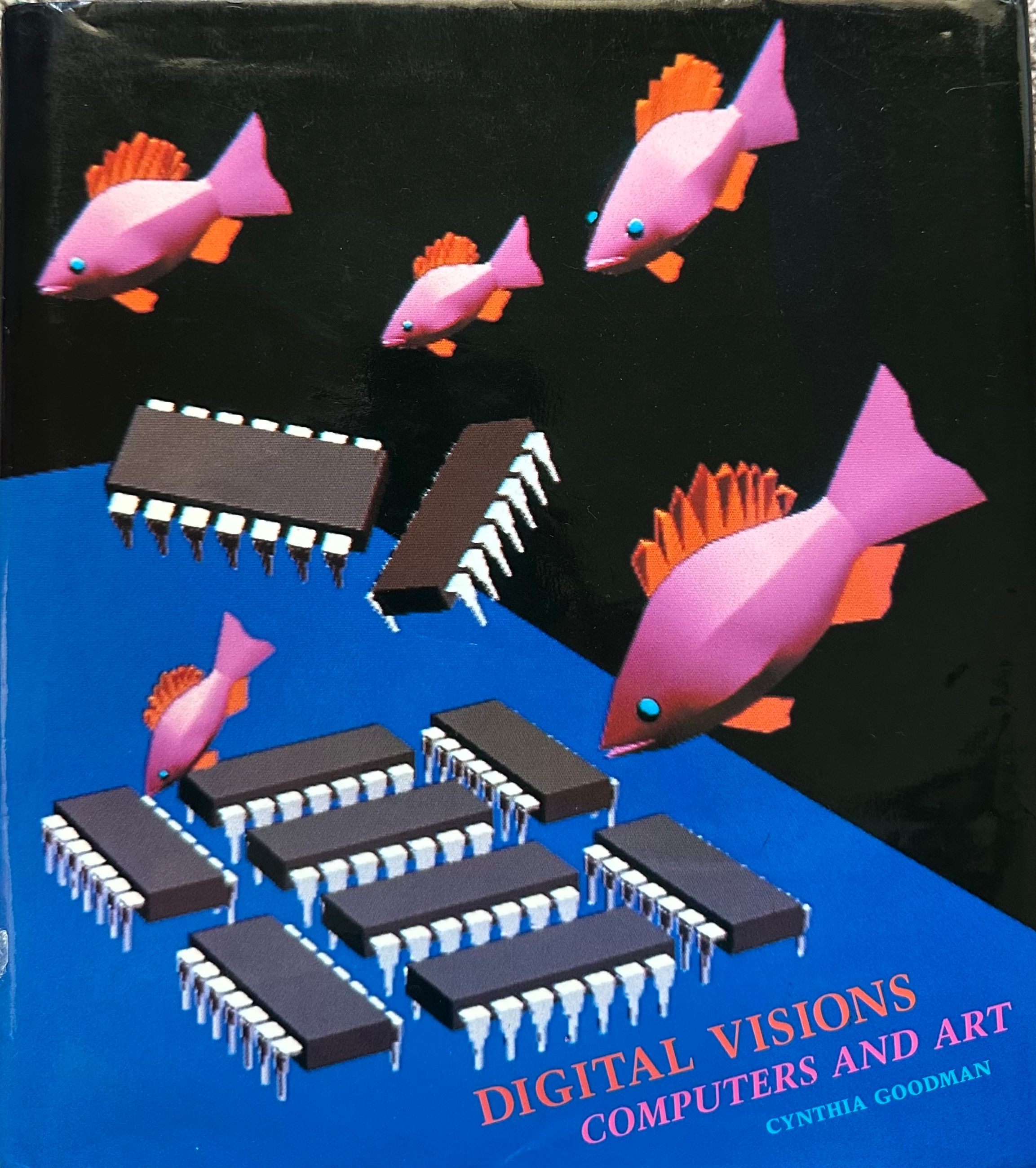
Cynthia Goodman, 1987
Ex Machina was published to accompany the 2007 Kunsthalle Bremen exhibition honoring Herbert W. Franke on his eightieth birthday. The publication documents the museum’s Franke Collections and related gifts, centered on a major body of early computer graphics acquired in 2006 with support from the Kulturstiftung der Länder and the Ernst von Siemens Kunststiftung. By the time of publication, Bremen’s holdings had grown to approximately 1,000 sheets—an extraordinary concentration of plotter drawings, computer-generated prints and other works from the formative decades of the medium.
The catalogue is unusually substantial for an exhibition publication. Its essays examine the parallel development of computer and video art; the encounter between computation and artistic practice; Franke’s discovery of new pictorial worlds; experimental aesthetics; computer-generated poetry; and the intertwined technical and art histories of computer graphics. A detailed chronology follows the algorithmic turn from 1952 through 1979, while the collection catalogue presents approximately 500 numbered works by about fifty artists. A lengthy bibliography and index make the volume a foundational research tool as well as a visual survey.
The breadth of the collection is one of the book’s great strengths. Alongside canonical figures such as Herbert W. Franke, Vera Molnár, Frieder Nake, Georg Nees, A. Michael Noll, Manfred Mohr and Charles Csuri, it records a much wider international field of programmers, designers, engineers and artists. Its hundreds of reproductions show the physical variety of early computer art: unique pen-plotter drawings, screenprints and photographic outputs, computer-processed images, electronic and analog experiments, industrial visualizations and printed editions. Few publications offer a comparably dense view of the actual objects through which computer art first circulated.
A photographed passage from Barbara Nierhoff-Wielk’s essay, under the heading “Representational computer graphics,” is particularly relevant to Güerita Art’s research into William A. Fetter and Charles Csuri. It describes Fetter’s three-dimensional human figures as products of Boeing’s industrial-design program: CAD models developed to simulate pilots, cockpit positions and ergonomic relationships. It then identifies Csuri and James Shaffer’s Sine Curve Man of 1967 as one of the earliest computer-generated figurative images.
The passage helps substantiate an important distinction. Fetter’s human figure originated as an instrument of industrial design and only subsequently entered exhibitions and histories of computer art; Csuri approached computational transformation as an artistic practice. At the same time, the passage’s emphasis on Sine Curve Man demonstrates how much of Csuri’s early chronology remained underrecognized. Dignified Lady was already a computer drawing in 1964, although it was essentially a digitized source image, while Güerita Art’s Four B-Spline Men of 1965 offers the stronger early case for computer-processed and computer-generated figuration—two years before Sine Curve Man. The catalogue is therefore both an important supporting source and a useful measure of the gaps that remain in the established history.
Although issued for a temporary exhibition, Ex Machina is closer to a catalogue raisonné of a field-defining institutional collection. Its combination of scholarship, chronology, technical history and hundreds of reproduced works makes it one of the essential reference books on the first decades of computer art.
Contents
Exhibition
Ex Machina - Frühe Computergrafik bis 1979, Kunsthalle Bremen, 17 June–26 August 2007
References and external links