- The concept and programming for Monroe in the Net were executed by Haruki Tsuchiya. He mapped the photographic data of Marilyn Monroe onto a mathematical coordinate grid (the "net"). He then applied an algorithm utilizing random numbers to irregularly fluctuate and distort only the specific grid points that contained the data of her likeness.
- According to Tsuchiya, the work was designed to explore the visual tension between the rigid "rule of the grid" inherent to the computer world and the chaotic "freedom of random numbers." It was part of a larger series of algorithmic "Deformations" where CTG distorted popular cultural icons, including a well-known series applying similar treatments to John F. Kennedy.

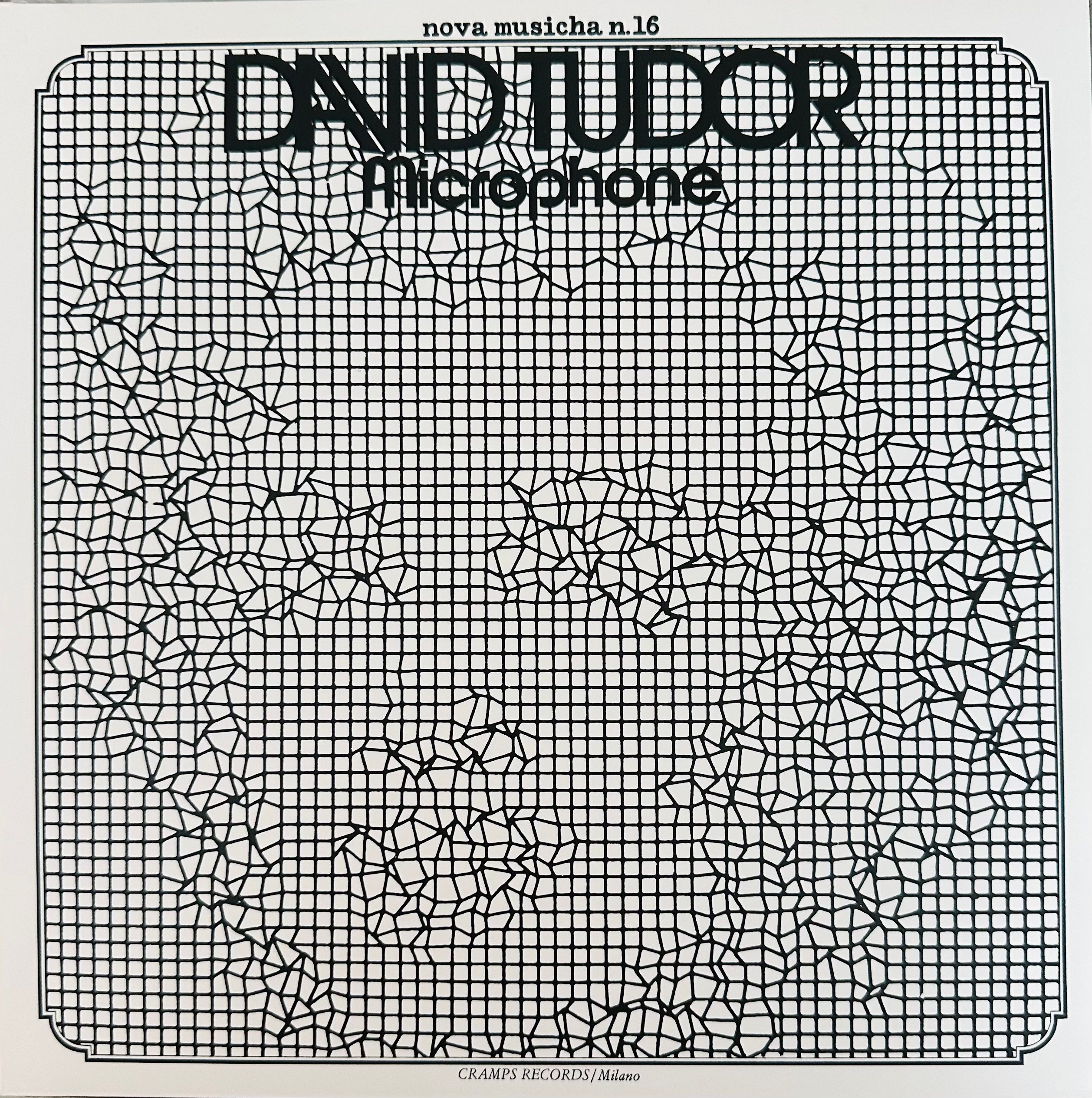
01 / 01David Tudor, Microphone. Cramps Records, nova musicha n. 16. Front sleeve.
Open full-size image ↗LP or sound recording
Microphone
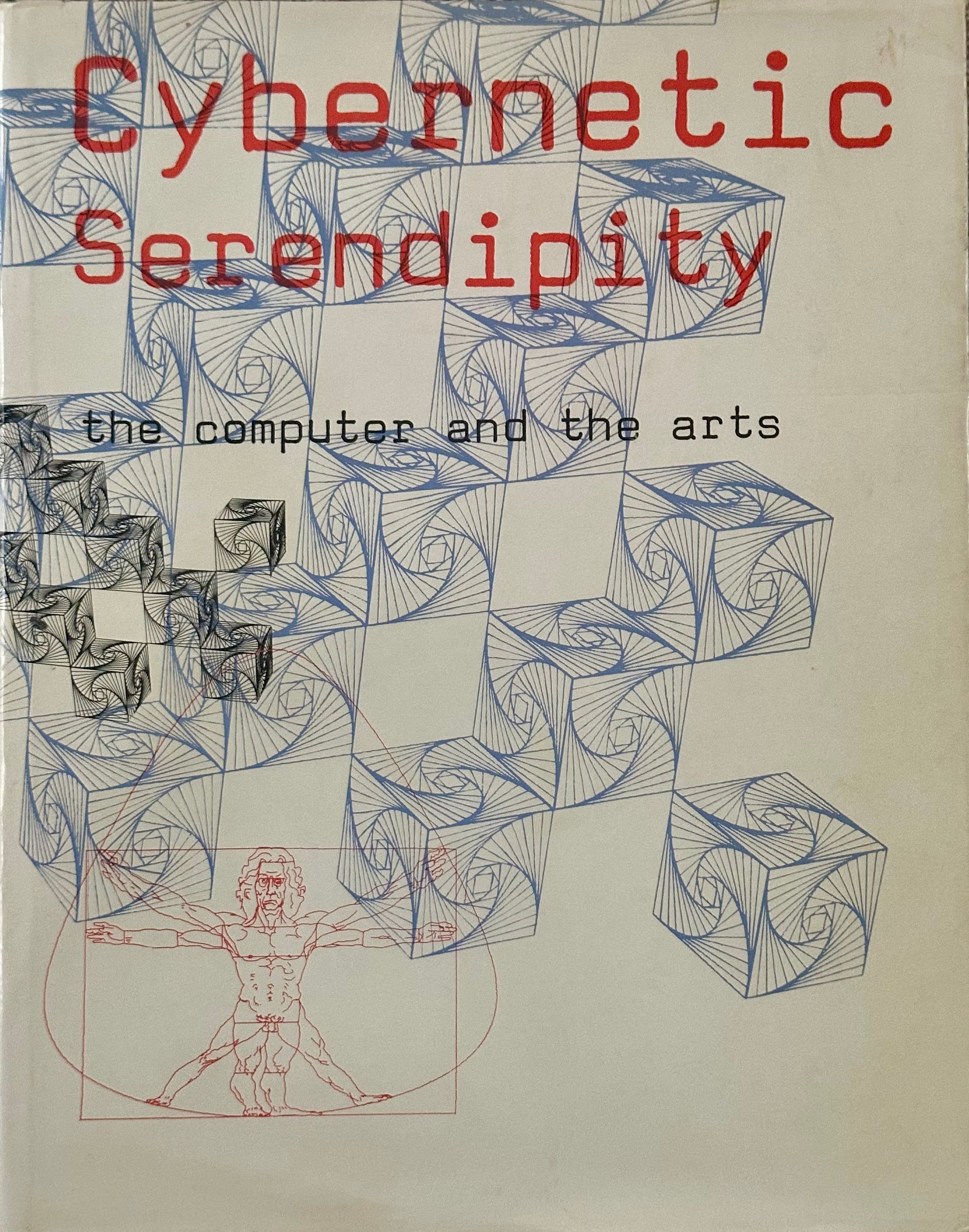
1978David Tudor's 1978 LP reproduces CTG's Monroe in the Net (1968), one of the landmark images of early Japanese computer art, without crediting either CTG or the work. Created a decade earlier for the Cybernetic Serendipity exhibition, the image algorithmically distorts Marilyn Monroe by mapping her likeness onto a mathematical grid and perturbing its coordinates with random numbers. Its reappearance ten years later on an Italian experimental-music LP shows how the visual language of first-generation computer art continued circulating long after CTG itself had dissolved.
- Author / editor
- David Tudor
- Publisher
- Cramps Records
Milan, Italy - Format
- LP Vinyl Record
- Language
- English