
Artist · 1966–1969
Computer Technique Group (CTG)
Japanese
Tokyo, Japan
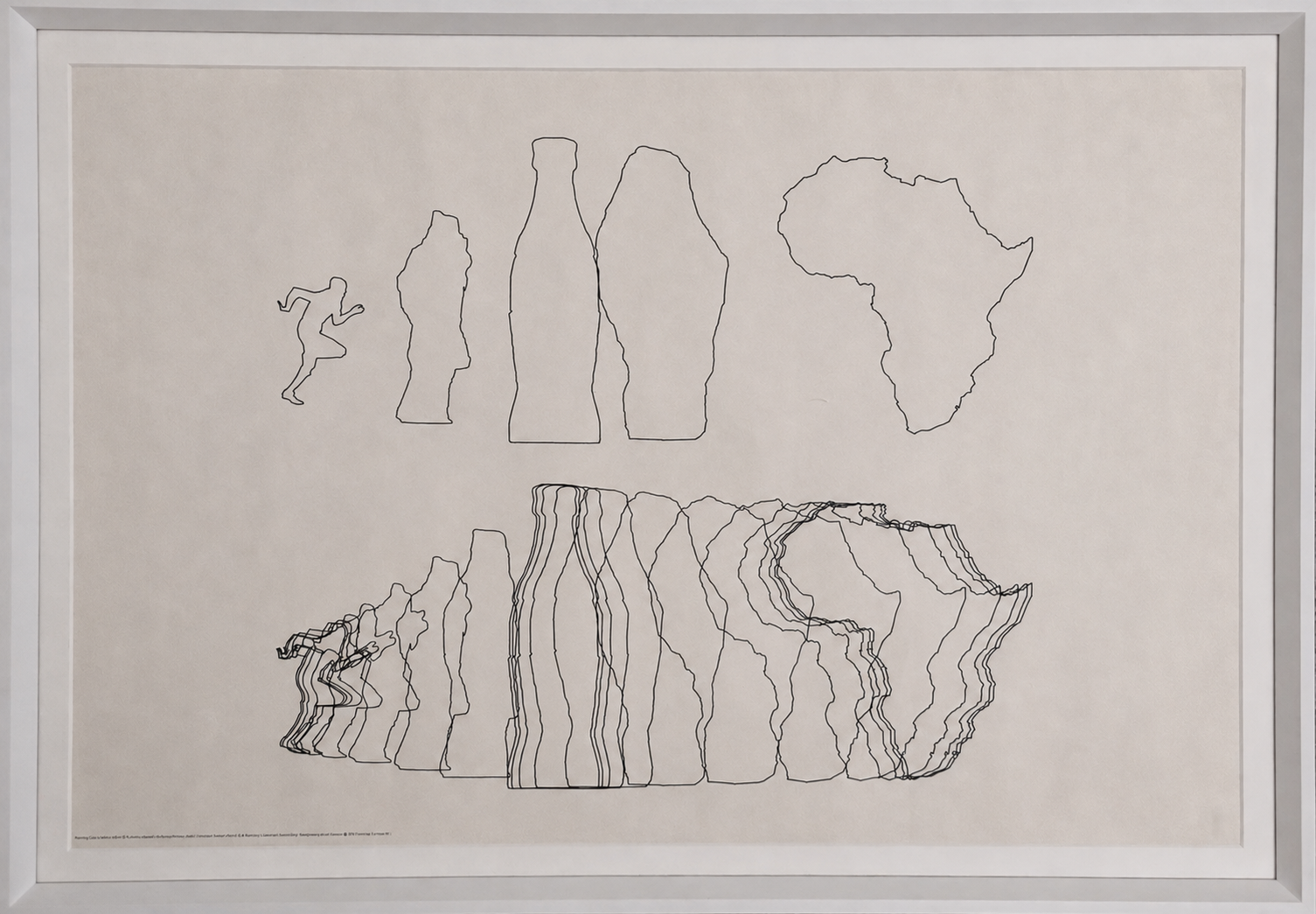
The Computer Technique Group (CTG) was a collective of Japanese engineering and art students who became the first group in Japan to create computer graphics as fine art. CTG used IBM mainframes and plotters to create pioneering figurative computer graphics, algorithmic image transformations, and machine-made drawings. Works such as Running Cola is Africa made CTG an early international pioneer of computer-generated morphing and Japanese media art. CTG also rejected the conventional division between artist and technician: artists and engineers worked as equal intellectual partners.
Formation and Background
CTG was founded in Tokyo in 1966. The collaboration began when Masao Kōmura, a product design student at Tama Art University, met Haruki Tsuchiya, a graduate student in mechanical and control engineering at the University of Tokyo, while interviewing for a student executive program at the Fujita Corporation.
Shortly after, both submitted essays to an IBM Japan student competition, where Tsuchiya received an honorable mention for his essay "Is Computopia Possible?" Recognizing the students' visionary interest in computers, an IBM Japan public relations executive granted them access to the company's mainframe computing facilities after business hours. Joined by fellow students from both technical and artistic disciplines, they formed CTG to explore the aesthetic and conceptual potential of computer technology.
Members
Starting with four core founders, CTG expanded to a ten-member interdisciplinary team:
- Founding Members:
- Masao Kōmura (Art/Design, Tama Art University) – Concept designer and artistic lead.
- Haruki Tsuchiya (Engineering, University of Tokyo) – Programmer and engineer.
- Kunio Yamanaka – Programmer and engineer.
- Junichiro Kakizaki – Concept designer and artist.
- Subsequent Members:
- Kōji Fujino (Programmer), Fujio Niwa, Takeshi Hasegawa, Makoto Ōtake, Shigeaki Iwashita, and Michio Sasaki
- In March 2016, media art historian Kazufumi Oizumi was formally recognized as an honorary/archival member for his documentation of the group.
Most Important Works and Technical Methodology
CTG programmed primarily in FORTRAN IV using punch cards on an IBM 7090 mainframe. Their visual outputs were plotted on a CalComp 563 drum plotter and frequently reproduced as limited-edition silkscreen prints or offset multiples. They also used vector-scan graphics displays (such as the IBM 2250) to capture frame-by-frame 16mm computer animations.
- Running Cola is Africa (1968) (Idea: Masao Kōmura; Program: Kōji Fujino): One of the earliest examples of algorithmic linear morphing. The code interpolated geometric vectors between three disparate silhouette contours: a running man, a Coca-Cola bottle, and the continent of Africa.
- Return to a Square (1968) (Idea: Masao Kōmura; Program: Kunio Yamanaka): A study of programmatic metamorphosis that transitions a perfect geometric square into the silhouette of a woman, and then returns it back into a rotated square.
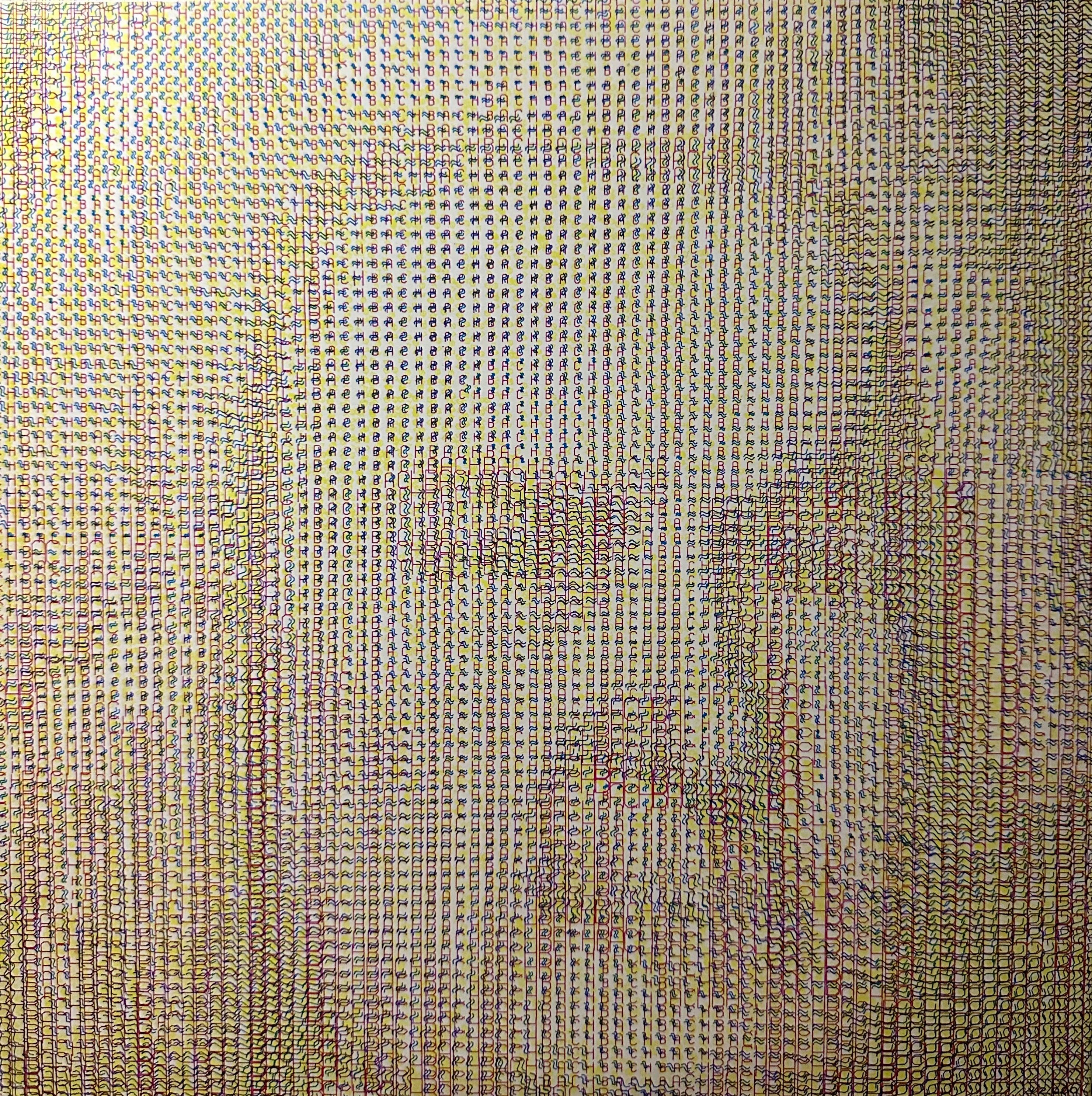
- MONROE in the NET (1968) (Idea and Program: Haruki Tsuchiya): A portrait of Marilyn Monroe transformed through algorithmic grid distortion and parametric deformation.
- Star Kennedy (1967) (Idea: Masao Kōmura; Program: Haruki Tsuchiya): A vector-based portrait of John F. Kennedy embedded within a radiating geometric star lattice.
- Automatic Painting Machine (APM) No. 1 (1968): A custom hardware and software device conceived to automate the physical act of painting on canvas, predicting color plotter and inkjet technologies.
CTG Manifesto
“CTG is a problem-solving group that makes full use of, and controls, electronic computers and the many other machines that are devices extending human functions, thereby multiplying human capacities. Born of the postwar generation, we have sought a life of our own within mechanical civilization.
Living in complete isolation from machines in this terrifying machine age has a certain irresistible appeal. But that is evolution toward the ape, quite different from the creative evolution we seek.
While taming this devilishly fascinating computer, we pierce the jungle of confusion formed by an enormous accumulation of mechanical civilization, as a machine unconstrained by any particular authority.
We choose neither simply to praise mechanical civilization nor to curse it. Through collaboration among artists, scientists, and creative people in many other fields, we will calmly examine the relationship between humans and machines and consider how human beings should live.”
April 1967, CTG Computer Technique Group: Haruki Tsuchiya, Masao Kohmura, Kunio Yamanaka, Junichiro Kakizaki.
Disbanding and Legacy
CTG dissolved in October 1969, having operated for roughly three years. This was an intentional "constructive dissolution": the members realized their initial avant-garde intervention had achieved its goal. Once algorithmic art shifted from an experimental frontier into an established paradigm, the members turned their focus toward applying computing to societal challenges, industrial design, environmental modeling, and early electronic publishing (such as Tsuchiya's later work in renewable energy and e-books).
Exhibitions
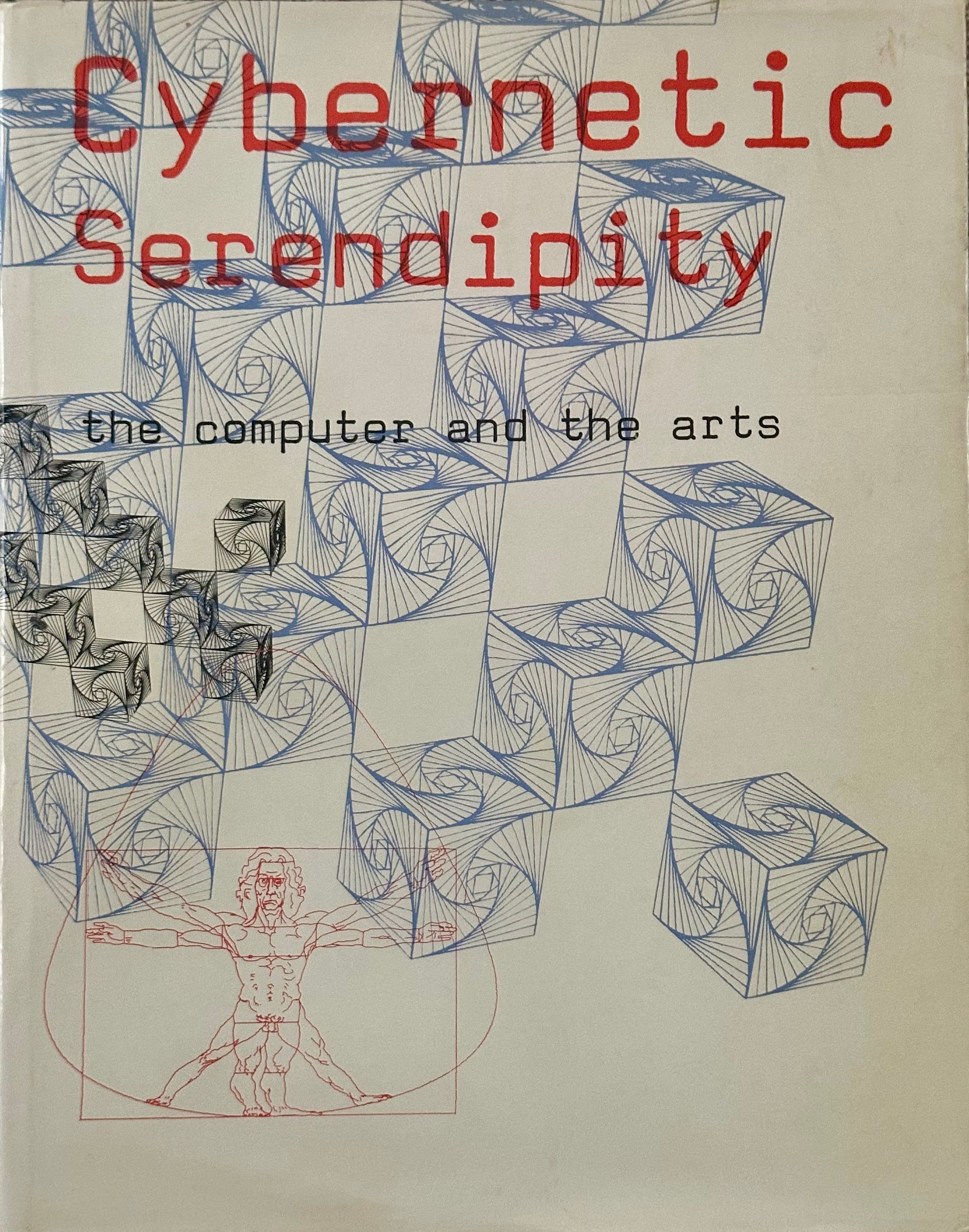
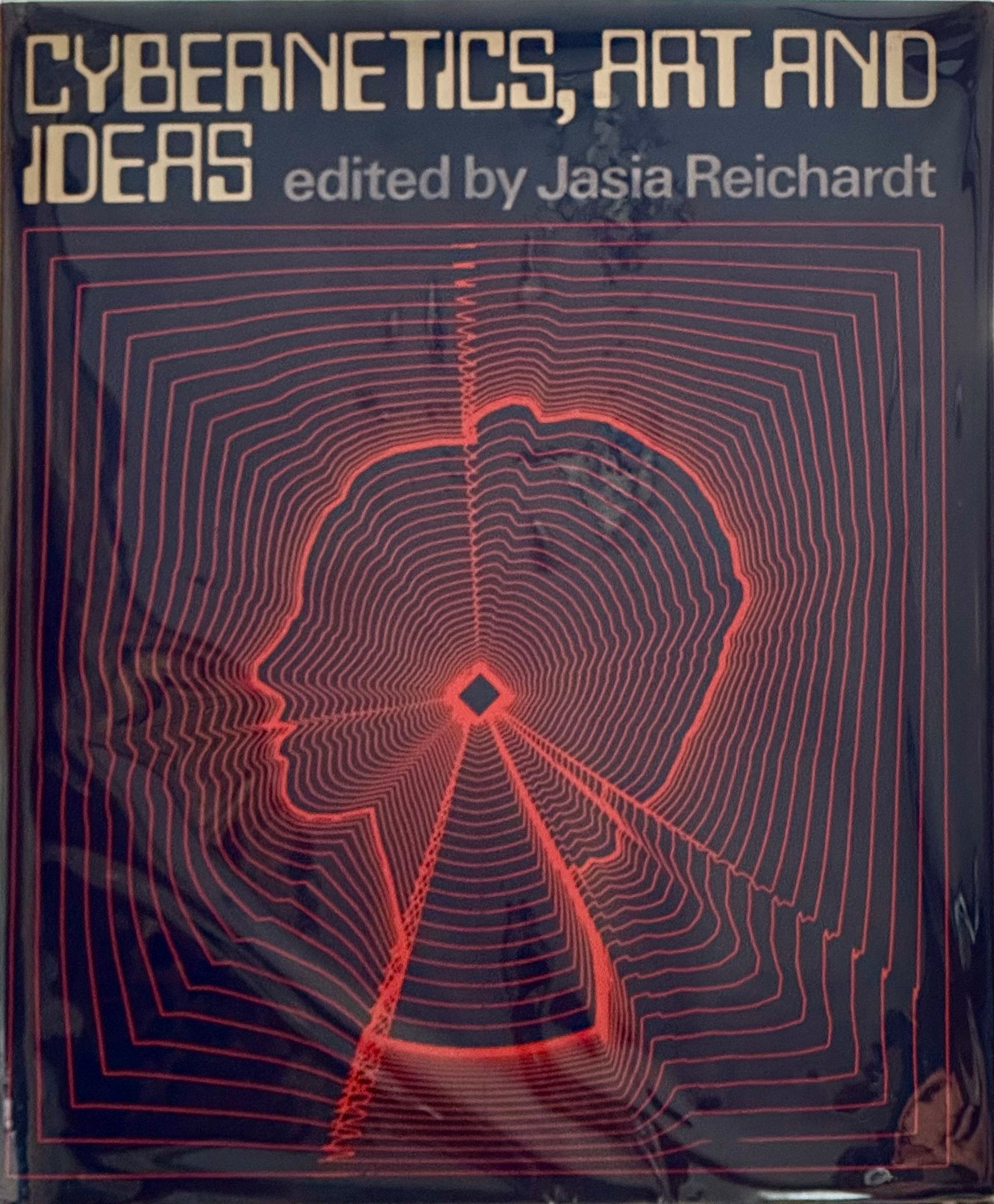
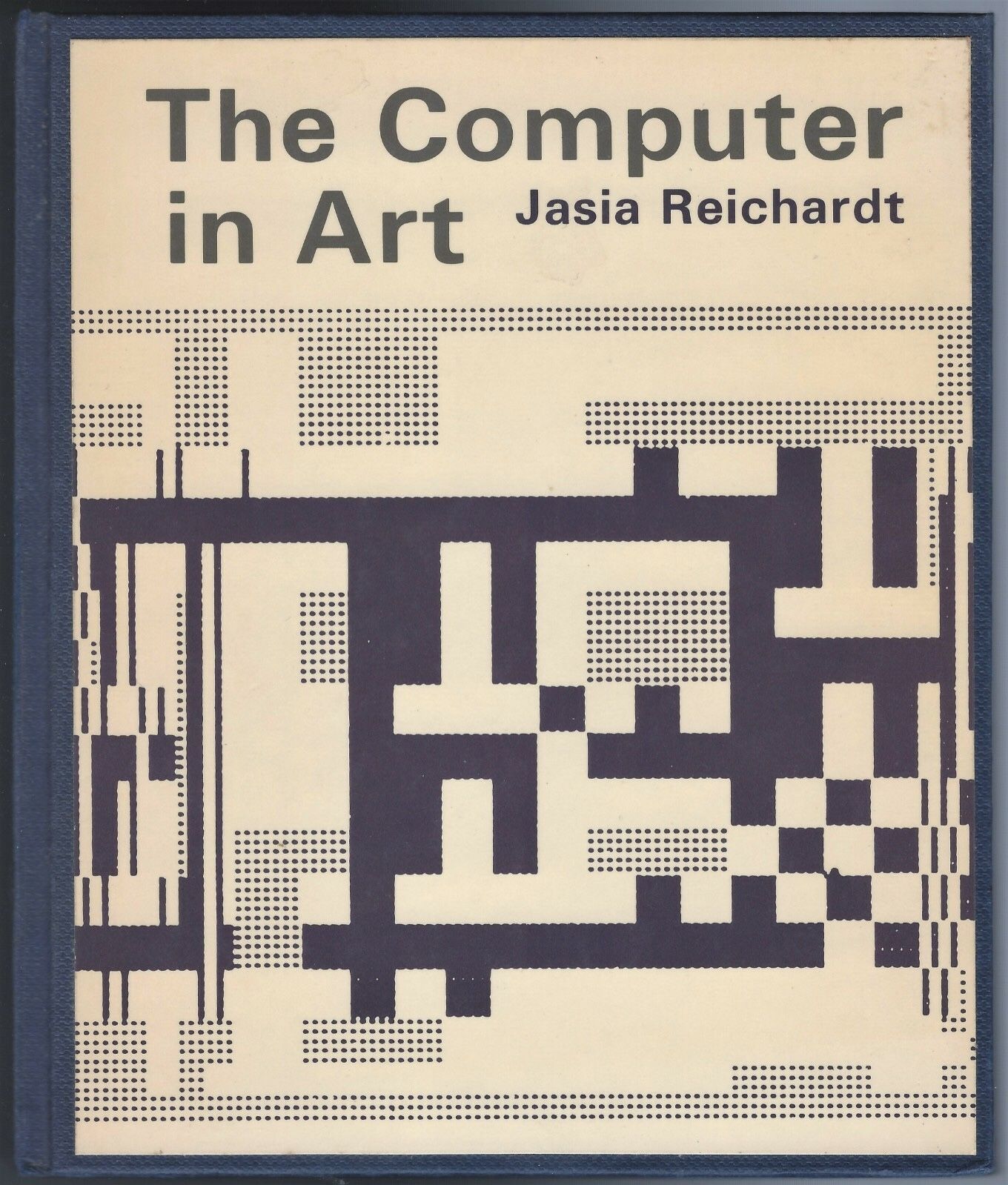
- Cybernetic Serendipity (1968): In late 1967, curator Jasia Reichardt visited Japan and met CTG through modern artist Yoshishige Saitō. She invited CTG to exhibit at the landmark Cybernetic Serendipity exhibition at the Institute of Contemporary Arts (ICA) in London, which subsequently toured the United States (including the Corcoran Gallery in Washington, D.C.).
- Computers & Automation (1968): CTG won prizes in the 6th Annual Computer Art Contest hosted by the American magazine Computers & Automation, gaining international recognition when their work was featured on the August 1968 cover and interior spreads.
- Computer Art: Media Transformation Through Electronics 「コンピュータ・アート展:電子によるメディア変換」 (1968): Held at Tokyo Gallery 東京画廊, this was Japan's first dedicated computer art exhibition, where CTG exhibited silk-screened plotter drawings alongside their APM No. 1 machine.
- 6th Biennale de Paris (1969): CTG represented Japan's avant-garde by presenting Computergraphics No. 1–3 and the animated film Computer Movie No. 1.
In the collection
1 work
In the library
11 items