

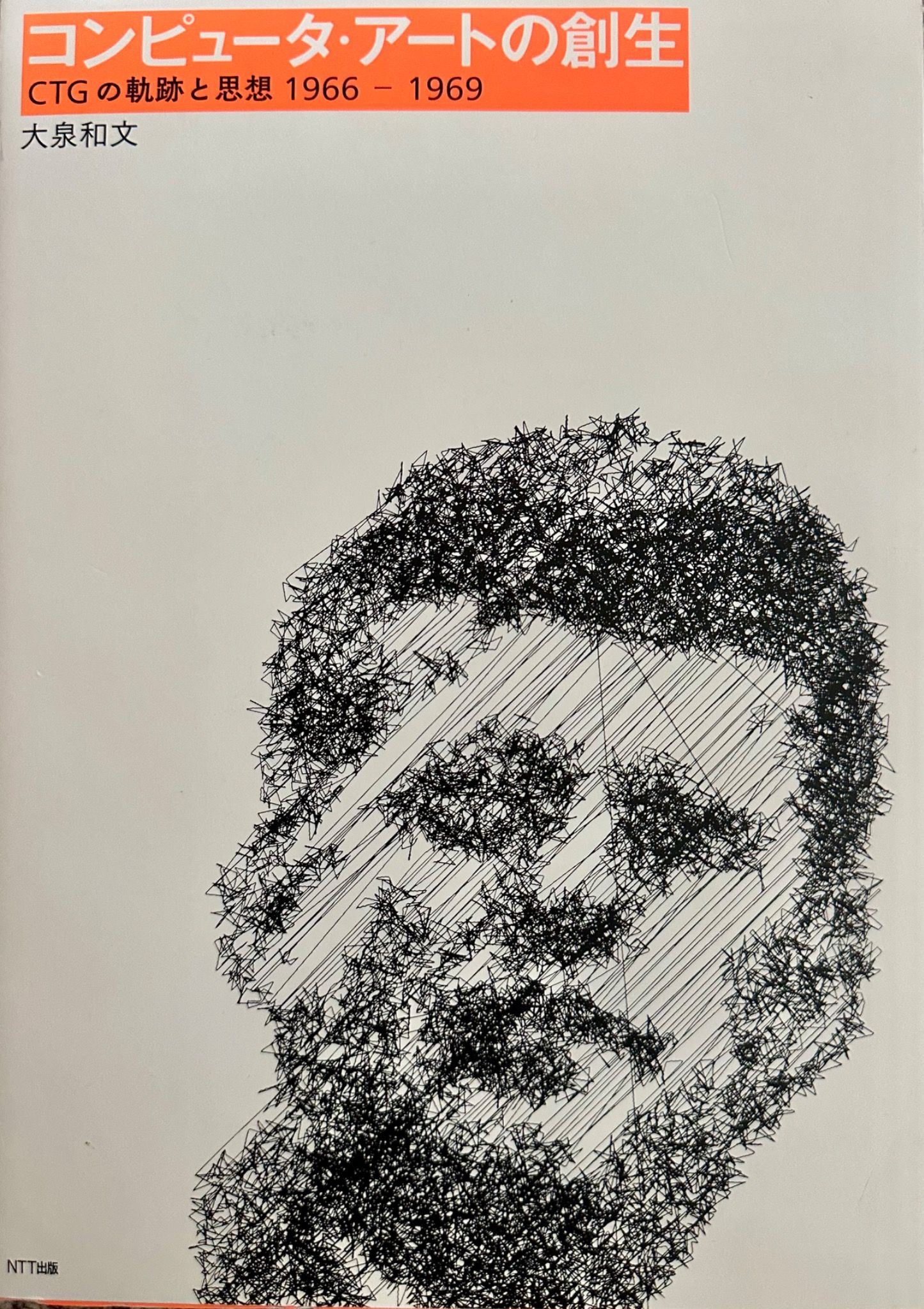
01 / 02Front cover of Kazufumi Ōizumi, The Birth of Computer Art: CTG’s History and Ideas, 1966–1969 (NTT Publishing, 2015), reproducing CTG’s Random Walk Kennedy.
Open full-size image ↗Book
The Birth of Computer Art: CTG’s History and Ideas, 1966–1969
2015Kazufumi Ōizumi’s detailed study of Computer Technique Group combines archival history, a works list and chronology, and algorithm reconstructions to examine CTG’s graphics, installations, animation, and ideas about art as a system.
- Author / editor
- Kazufumi Ōizumi (大泉和文)
- Publisher
- NTT Publishing (NTT出版)
Tokyo, Japan - Format
- Illustrated book
- Pages
- 414
- Language
- Japanese
Related in the collection
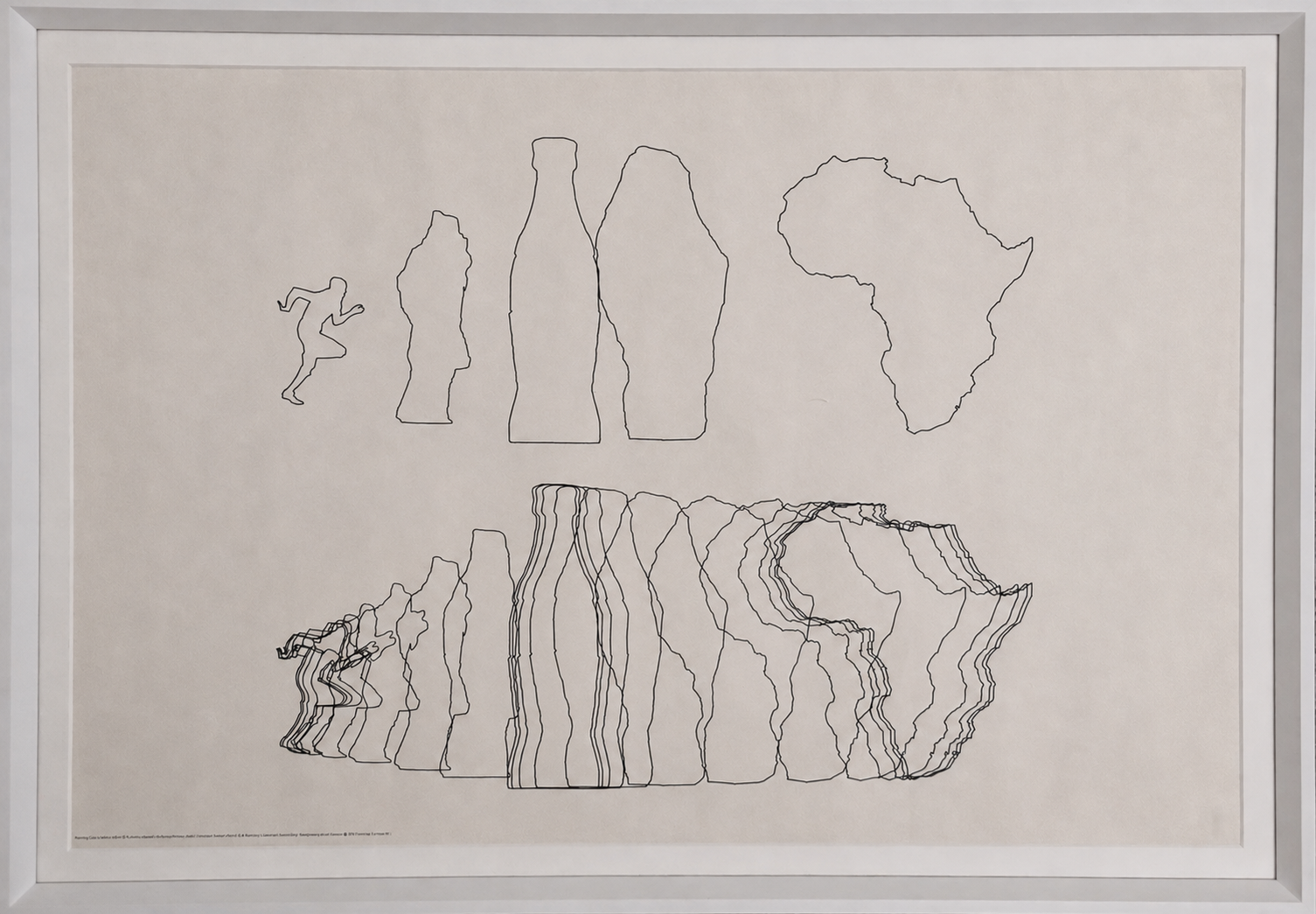
Computer Technique Group (CTG), 1968
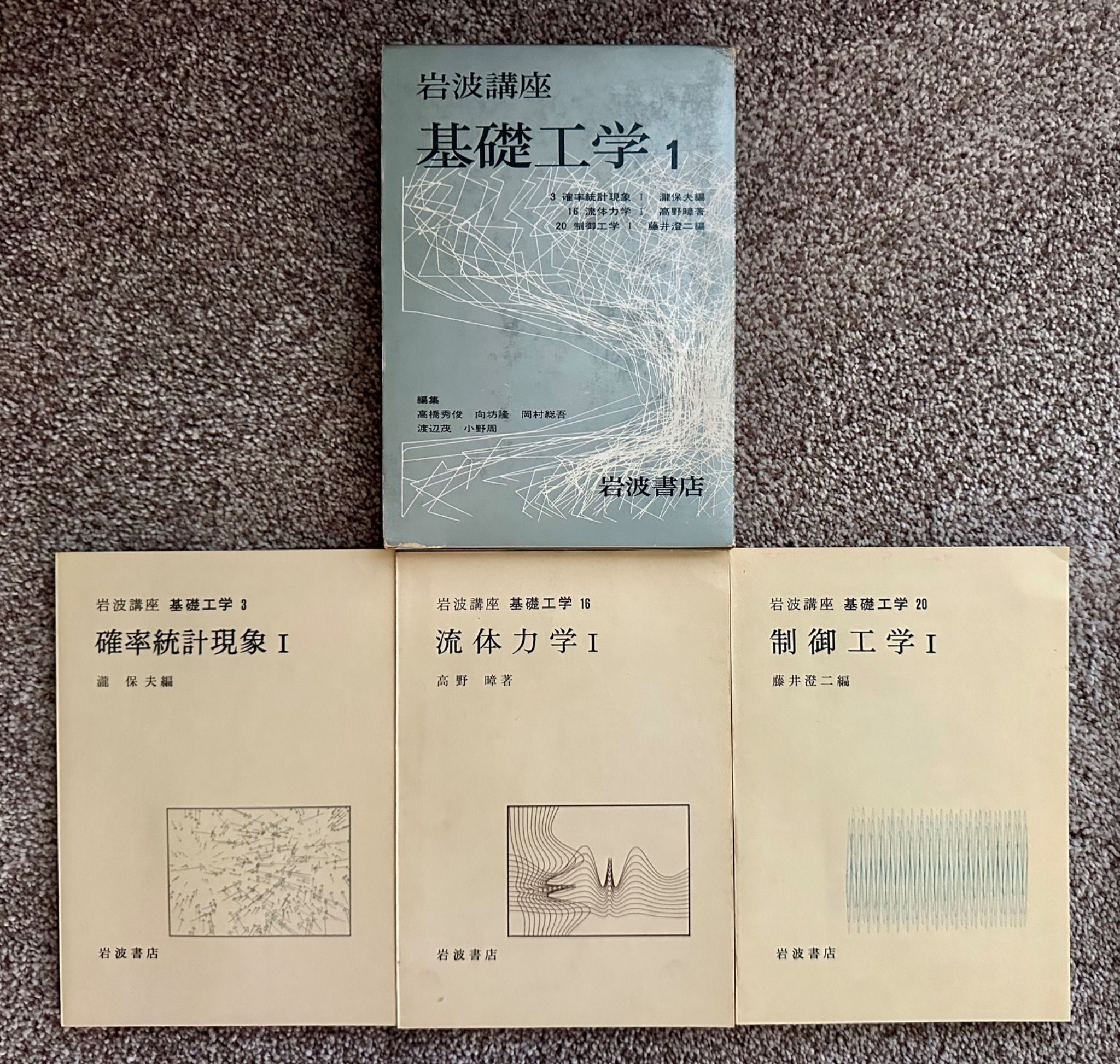
Cover designs by Shigeru Watanabe, Haruki Tsuchiya, Kōji Fujino and Masao Kōmura, 1967–1971; General Index 1974
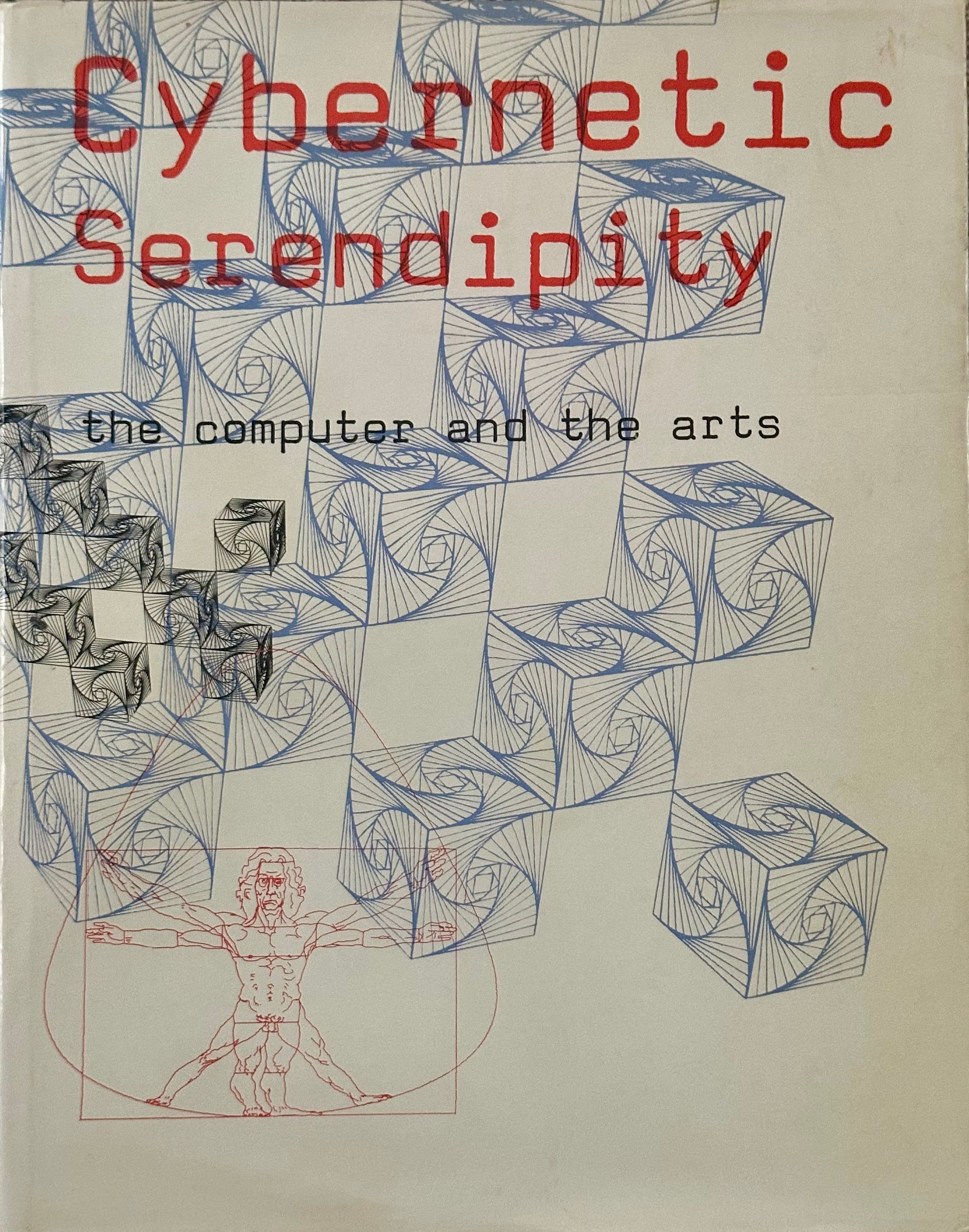
Jasia Reichardt, editor. Franciszka Themerson, design & layout., 1968
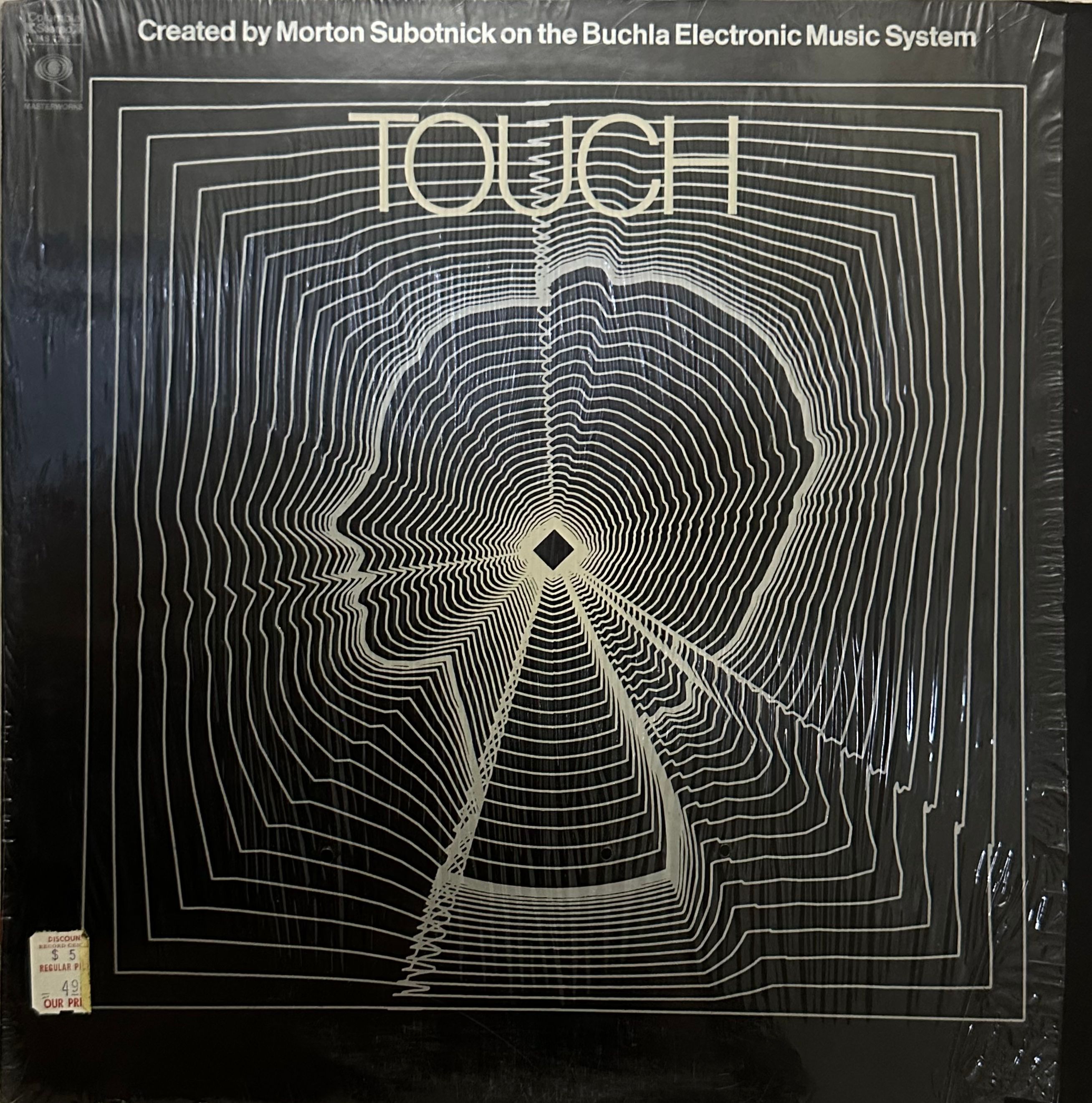
Morton Subotnick, 1969
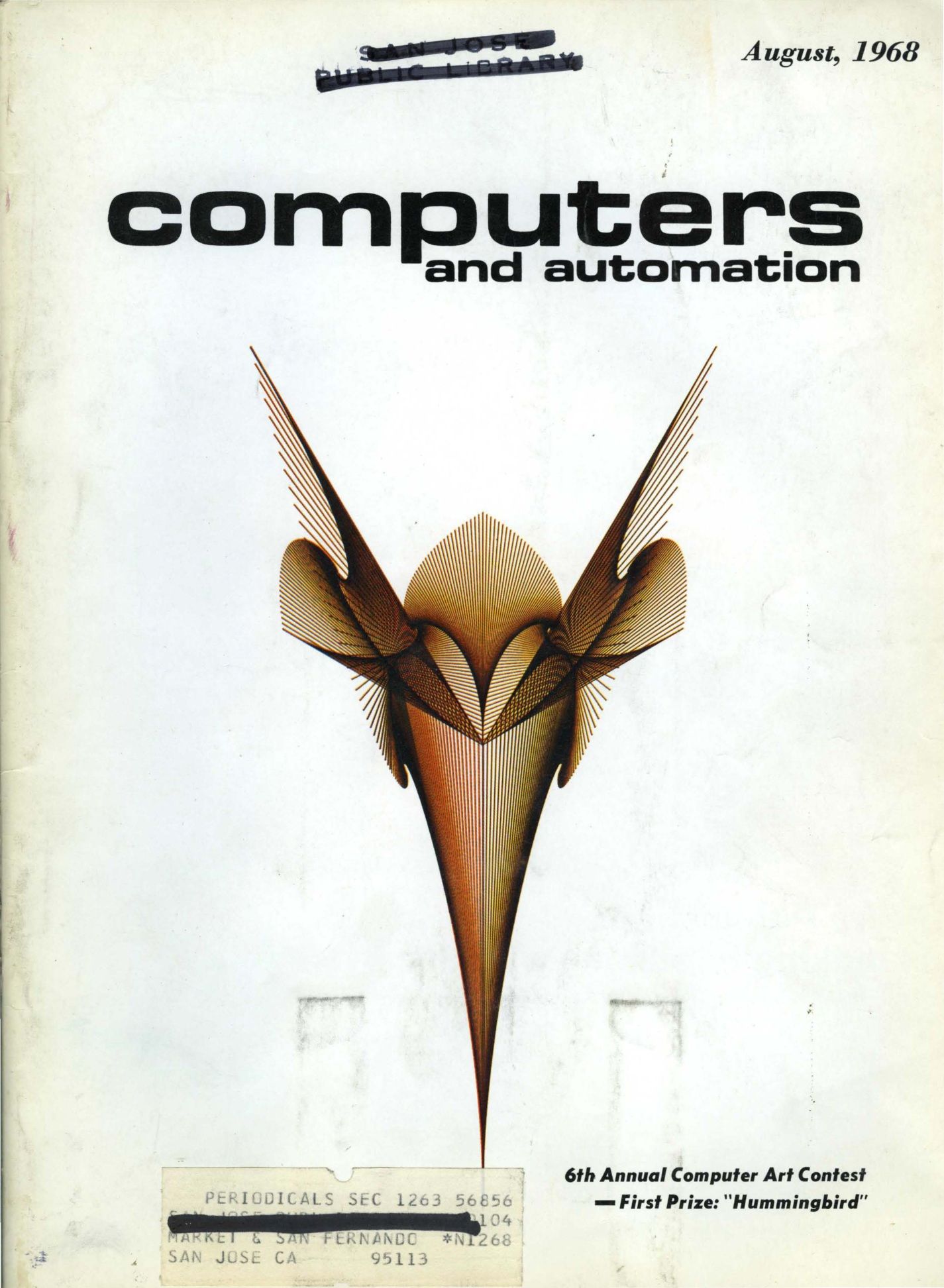
Edmund C. Berkeley, editor and publisher, August 1968
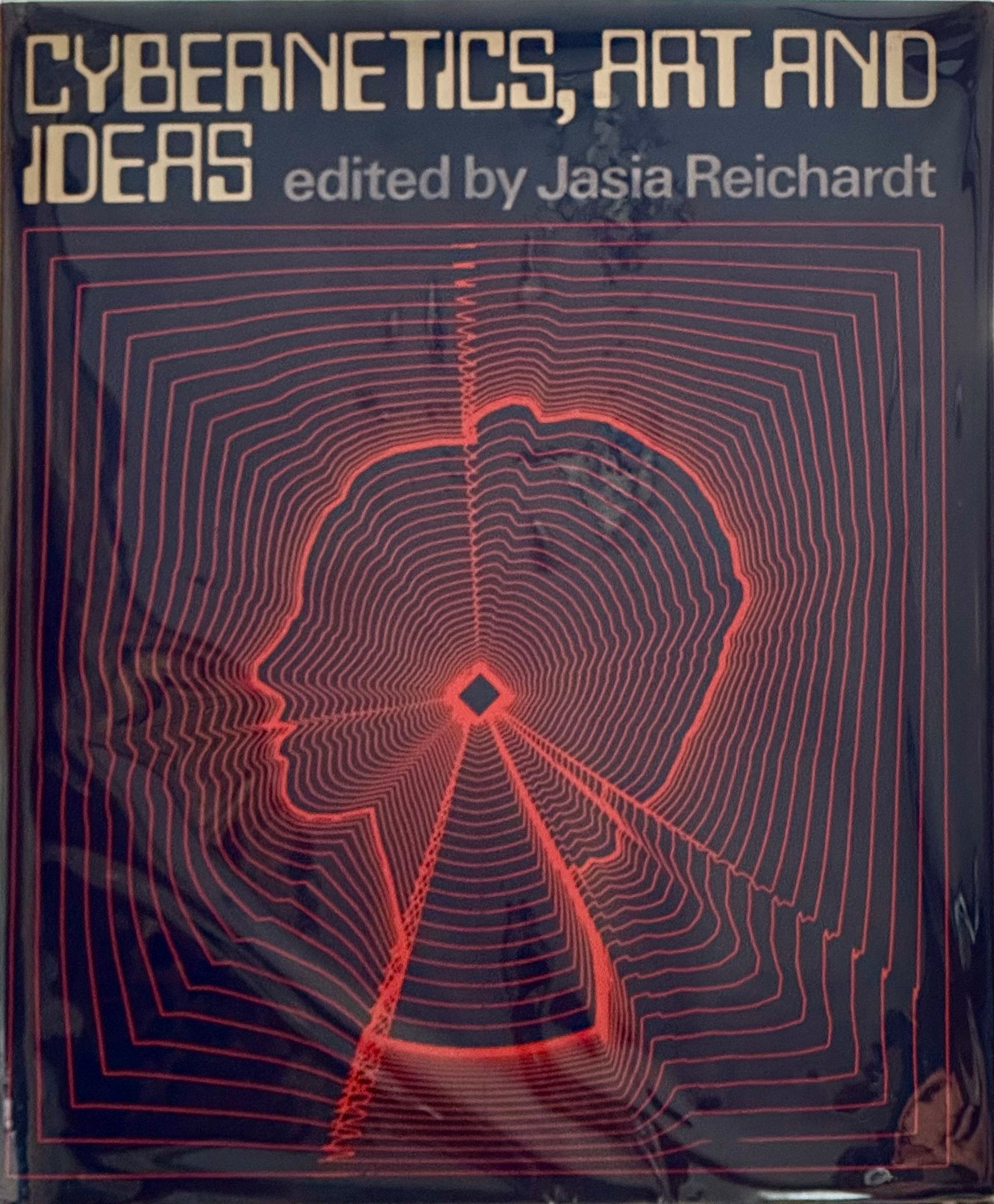
Jasia Reichardt, editor, 1971
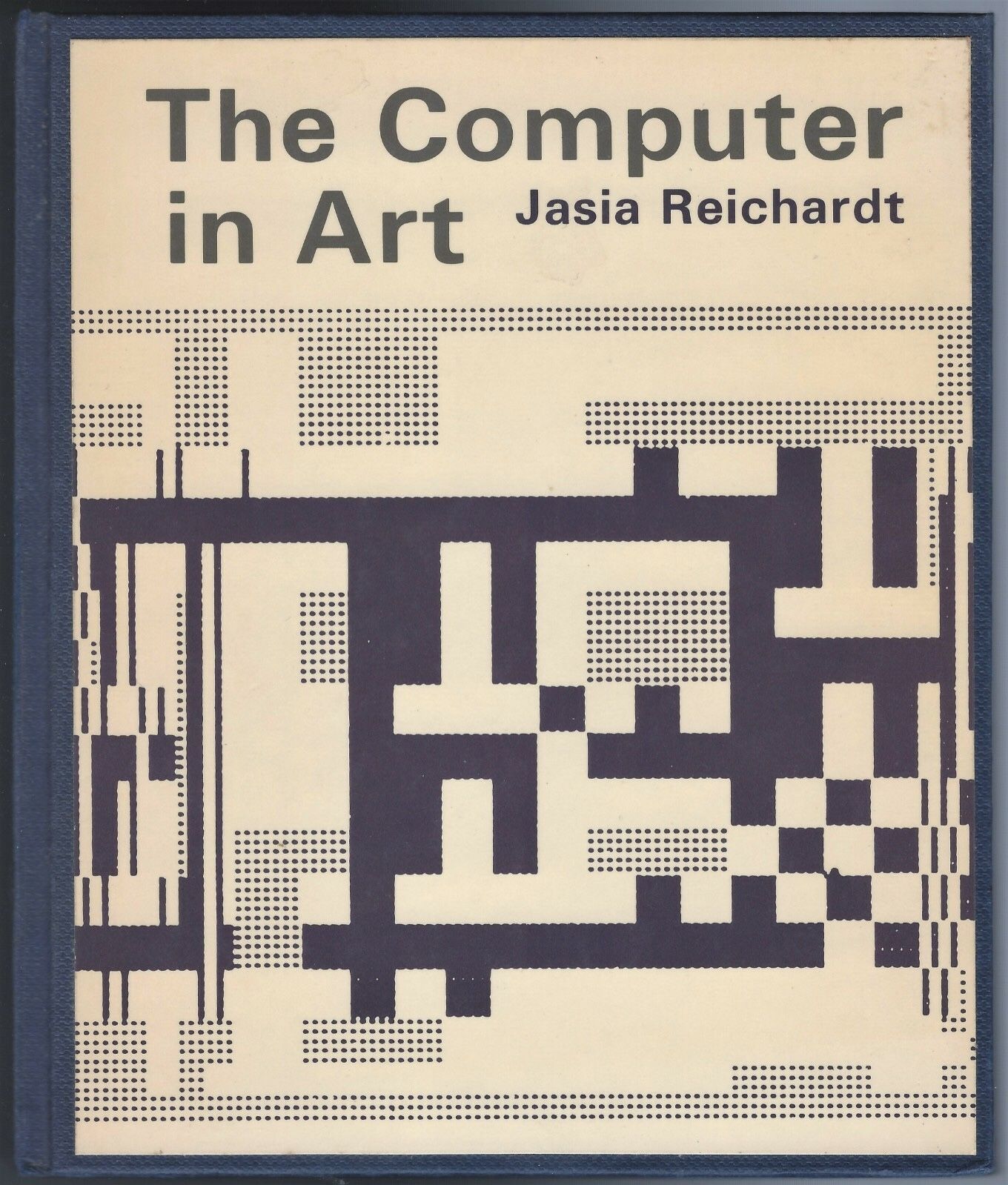
Jasia Reichardt, 1971
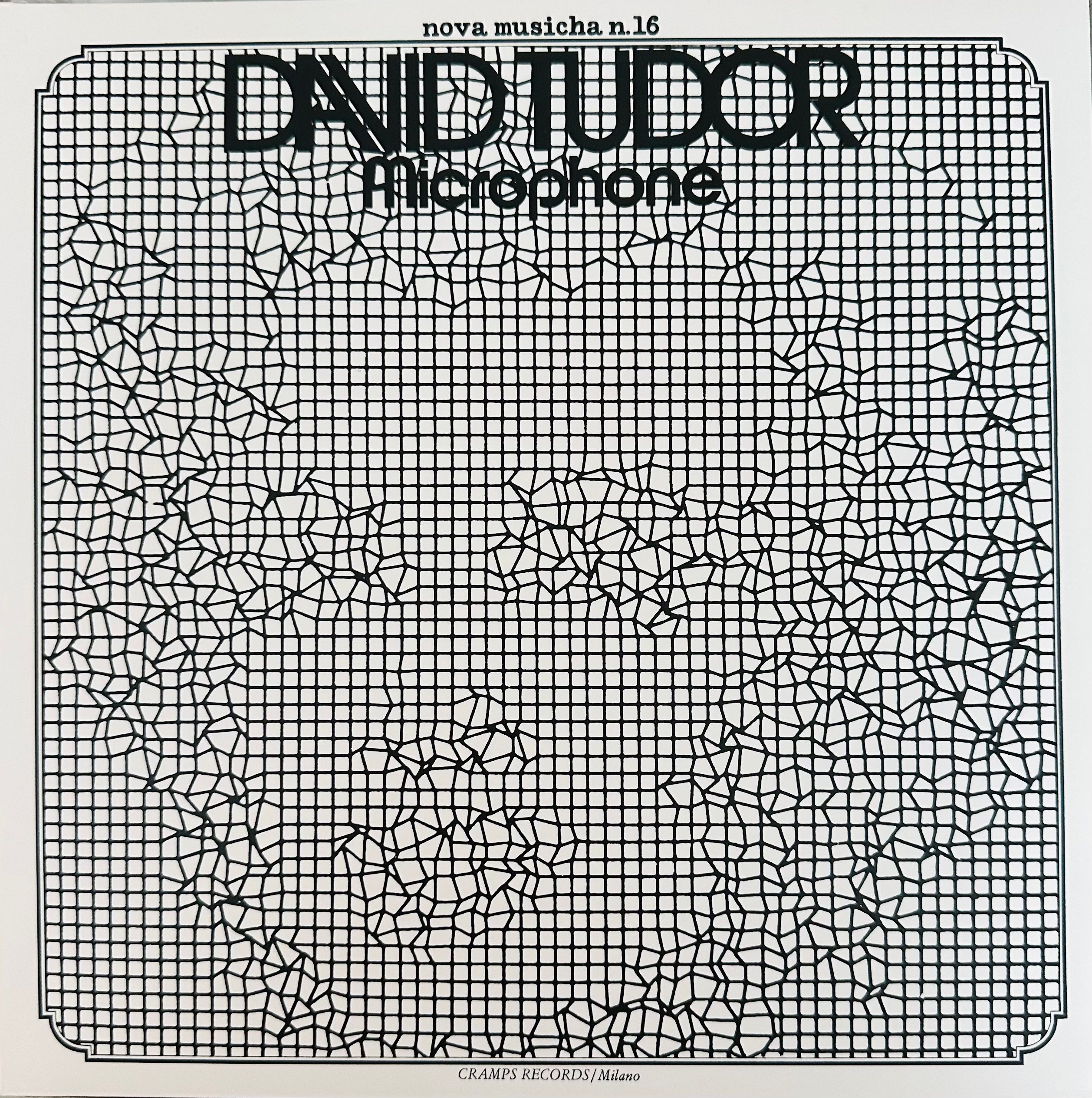
David Tudor, 1978

Association for Algorithmic Art (芸術アルゴリズム研究会) and Tama Art University, editors, 2006
Published in Japanese as コンピュータ・アートの創生:CTGの軌跡と思想 1966–1969, Kazufumi Ōizumi’s study reconstructs the history and ideas of Computer Technique Group through contemporary documents, works, and technical analysis. Its five chapters trace the group’s formation, activities, and dissolution, investigate the algorithms behind four representative works through reconstruction, and assess its achievements and unfinished ambitions. The English title used here is a translation of the Japanese title.
The book approaches CTG through the systems that generated its images. Ōizumi uses Processing to investigate works whose original programs have been lost, bringing historical research into dialogue with practical reconstruction. The distinction matters: these reconstructions test how the images could have been produced; they are not recovered original source code. A substantial works list and chronology support comparison among plotter drawings, printed editions, reproductions, and exhibition records.
For understanding CTG beyond its best-known graphics, the account of Media Transformation through Electronics at Tokyo Gallery in September 1968 is particularly valuable. It examines the Automatic Painting Machine No. 1, performance and audience participation, and the relationship between electronic input and physical output. The concluding chapter places these experiments alongside graphic transformation, generative patterns, and animation, treating the group’s practice as a connected investigation of art as a system.
Ōizumi also examines the tensions within that project: interdisciplinary collaboration and its limits, the emphasis on planning and programming, questions about machine creativity, and the uneven completion of experimental installations. His account presents CTG as a group debating the cultural purpose of computers and artistic production, as well as inventing visual techniques.
The book follows the circulation of images such as Running Cola is Africa and Return to a Square into catalogues, books, magazines, and record sleeves. On p. 285, Ōizumi traces one intriguing route through Stewart Brand’s Whole Earth Catalog, a guide to tools, books, and self-directed learning admired by Apple co-founder Steve Jobs. The 1971 catalogue reproduced Running Cola is Africa alongside its coverage of Cybernetic Serendipity. CTG’s image transforms the outline of a runner into a Coca-Cola bottle and then into the outline of Africa, demonstrating that a computer could transform familiar images through programmed rules. Ōizumi asks whether Jobs might have seen this image, recognized computers as tools for artistic creation, and carried that insight into his conception of the Apple I. He explicitly offers this as his own speculation: the reproduction establishes a possible route of exposure, but the book provides no evidence that Jobs noticed the image or that it influenced Apple’s development.
The front cover reproduces CTG’s Random Walk Kennedy; the back cover carries the contour transformations of Running Cola is Africa. This entry reproduces the front and back covers of the collection copy.
Accompanied by a printed presentation letter from the author, addressed to 大泉匡一郎 and dated December 2015.
Bibliographic record: National Diet Library, Japan. Publication details: NTT Publishing / Hanmoto.com.