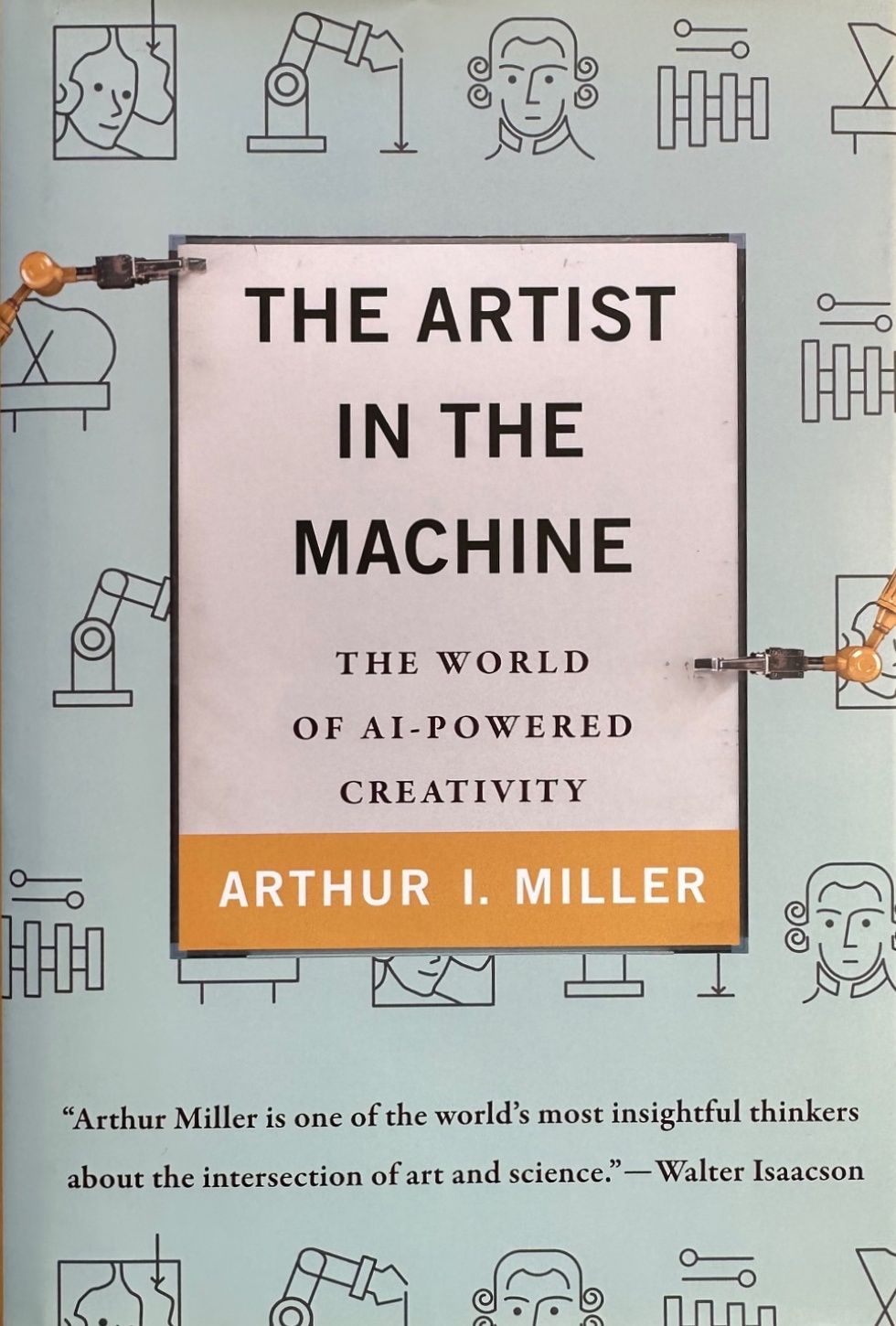
01 / 16Front cover.
Book
The Artist in the Machine: The World of AI-Powered Creativity
2019A 2019 survey of AI and creativity documenting the early neural-network art scene, before the rise of diffusion models and large language models.
- Author / editor
- Arthur I. Miller
- Publisher
- The MIT Press
Cambridge, Massachusetts, USA - Format
- Illustrated hardcover with dust jacket
- Pages
- 432
- Language
- English
Arthur I. Miller’s The Artist in the Machine examines artificial intelligence and creativity across visual art, music and literature. It brings together accounts of artists’ experiments, explanations of the systems they used, and a broader argument about the creative capacities of machines.
The book is a useful record of the period when DeepDream, generative adversarial networks and image-to-image translation became materials for artistic practice.
Memo Akten: learning to see
The section “Memo Akten Educates a Neural Network” begins on p. 74 with All Watched Over by Machines of Loving Grace: DeepDream Edition (2015). Miller describes the work’s use of a satellite view of GCHQ and Akten’s interest in how perception is shaped by what a system has already learned. On p. 75, he traces Akten’s influences to Oskar Fischinger and the music of Steve Reich, John Cage and Edgard Varèse.
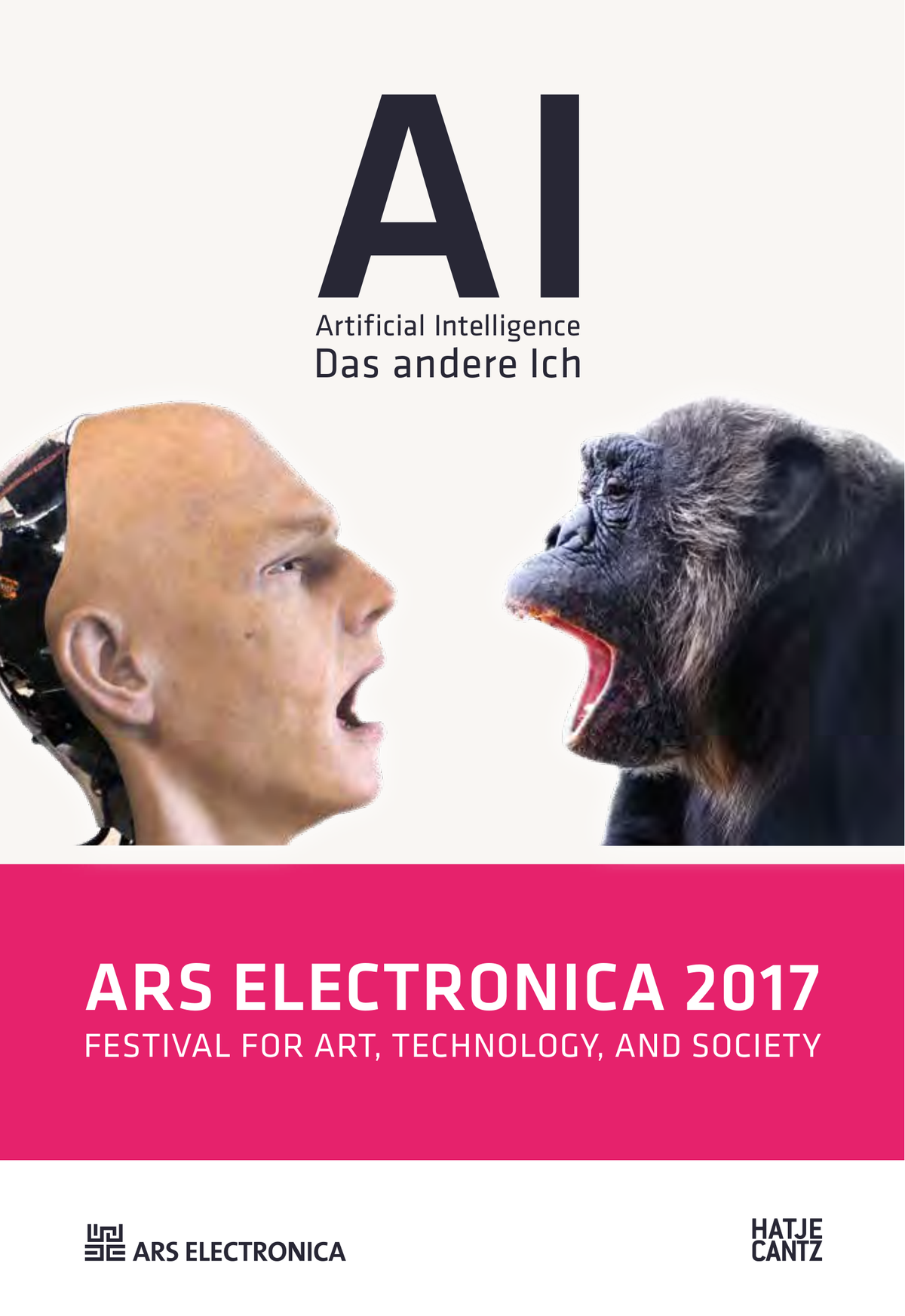
Page 76 explicitly discusses Learning to See: Hello, World! and records its presentation at Ars Electronica in Linz in 2017. Miller describes a neural network learning from a live camera pointed at Akten: a face becomes recognizable as training progresses, then changes in viewpoint require further learning. This is a reference to Hello, World! in the collection.
Mike Tyka: DeepDream and imaginary portraits
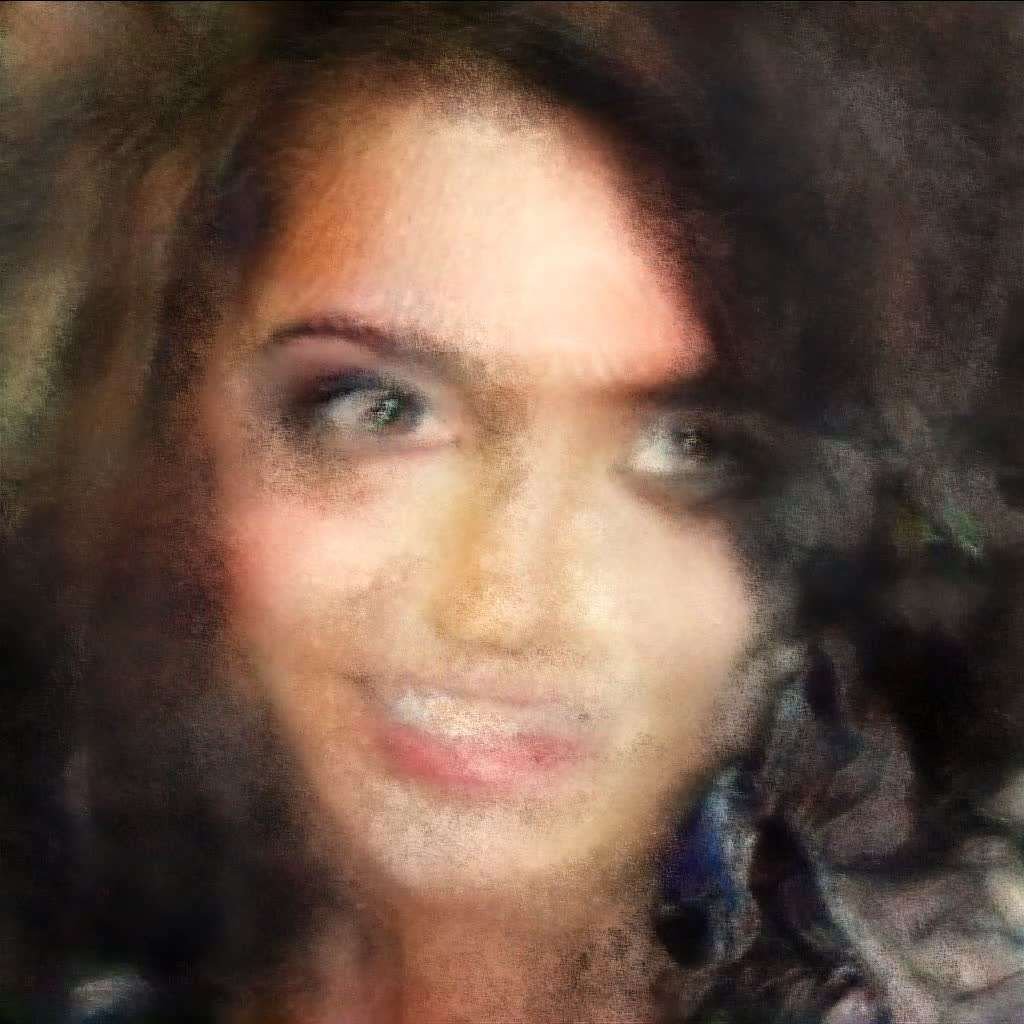
Page 66 introduces Tyka’s role in the development and naming of DeepDream. Pages 90–91 turn to Portraits of Imaginary People, explaining the use of photographs from Flickr and reproducing two portraits. Both captions identify Ars Electronica, 2017. These are useful published references for the two illustrated images; they do not establish a 2017 date for every portrait later issued under the series title.
Mario Klingemann: classification and transformation
Pages 78–79 introduce Klingemann’s image-classification experiments and X Degrees of Separation, developed with Simon Doury. Pages 101–104 discuss his use of Pix2Pix, illustrating two Transhancement Sketches and Neurographic Self-Portrait, all captioned 2017, and describing Alternative Face. The text also notes his 2018 Lumen Prize Gold Award. Pages 110–111 document a sequence combining CycleGAN and Pix2Pix: a historical portrait is transformed through colour, a doll-like face and simulated photographic damage.
The book also discusses Refik Anadol’s Archive Dreaming, Anna Ridler’s Fall of the House of Usher, and Obvious’s Portrait of Edmond de Belamy. The illustration list names additional practitioners including Alexander Mordvintsev, Leon Gatys and Jake Elwes.
Publisher’s bibliographic record — MIT Press