

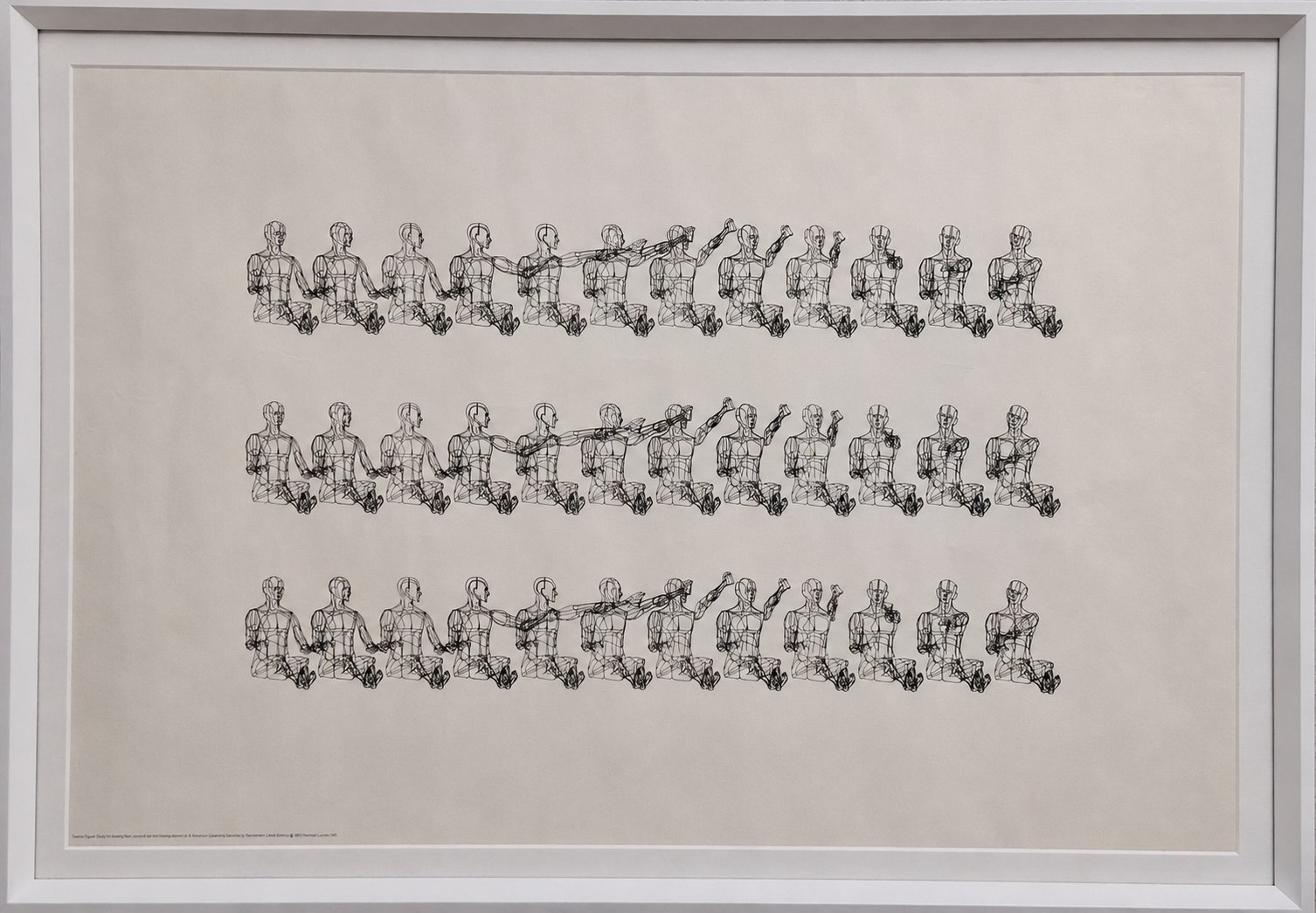
William Fetter coined the term “computer graphics” in 1960 and, in 1964, created the first human figure drawn using a computer and the first three-dimensional computer model of the human body. This 1968 Motif Editions lithograph reproduces that breakthrough for Cybernetic Serendipity, transforming an experimental Boeing engineering model into one of the defining images of early computer art.
Provenance
This editioned lithograph image is held by many prominent museums and private collections:
- Victoria and Albert Museum
- Buffalo AKG Art Museum
- Science Museum Group
- Anne and Michael Spalter Digital Art Collection
- Ragnar Digital Collection
Exhibitions
1968 - Cybernetic Serendipity: The Computer and the Arts, Institute of Contemporary Arts, London, August 2–October 20, 1968. William Fetter's Human Figure computer graphics were exhibited; this Motif Editions lithograph was published in connection with the exhibition.
References
Jasia Reichardt, ed., Cybernetic Serendipity: The Computer and the Arts, London, 1968. Primary exhibition publication documenting Fetter and the Boeing Computer Graphics work.
William Fetter, “Computer Graphics at Boeing,” Print, vol. 20, no. 6, November - December 1966. Fetter's own account of the development of computer graphics at Boeing. HistoryLink extensively cites and discusses this text.
Science Museum Group, William Fetter / Motif Editions collection records. Documents Fetter as the first creator of a 3D human model and catalogs the 1968 Motif lithograph.
Buffalo AKG Art Museum, Human Figure from the portfolio Cybernetic Serendipity, 1968, P2023:46.4. Museum comparator for title, medium, dimensions, date, and portfolio attribution.
The Boeing Company, William Fetter's Boeing Man. Boeing's own historical archive explicitly credits Fetter with coining “computer graphics” and being the first person to draw a human figure using a computer.
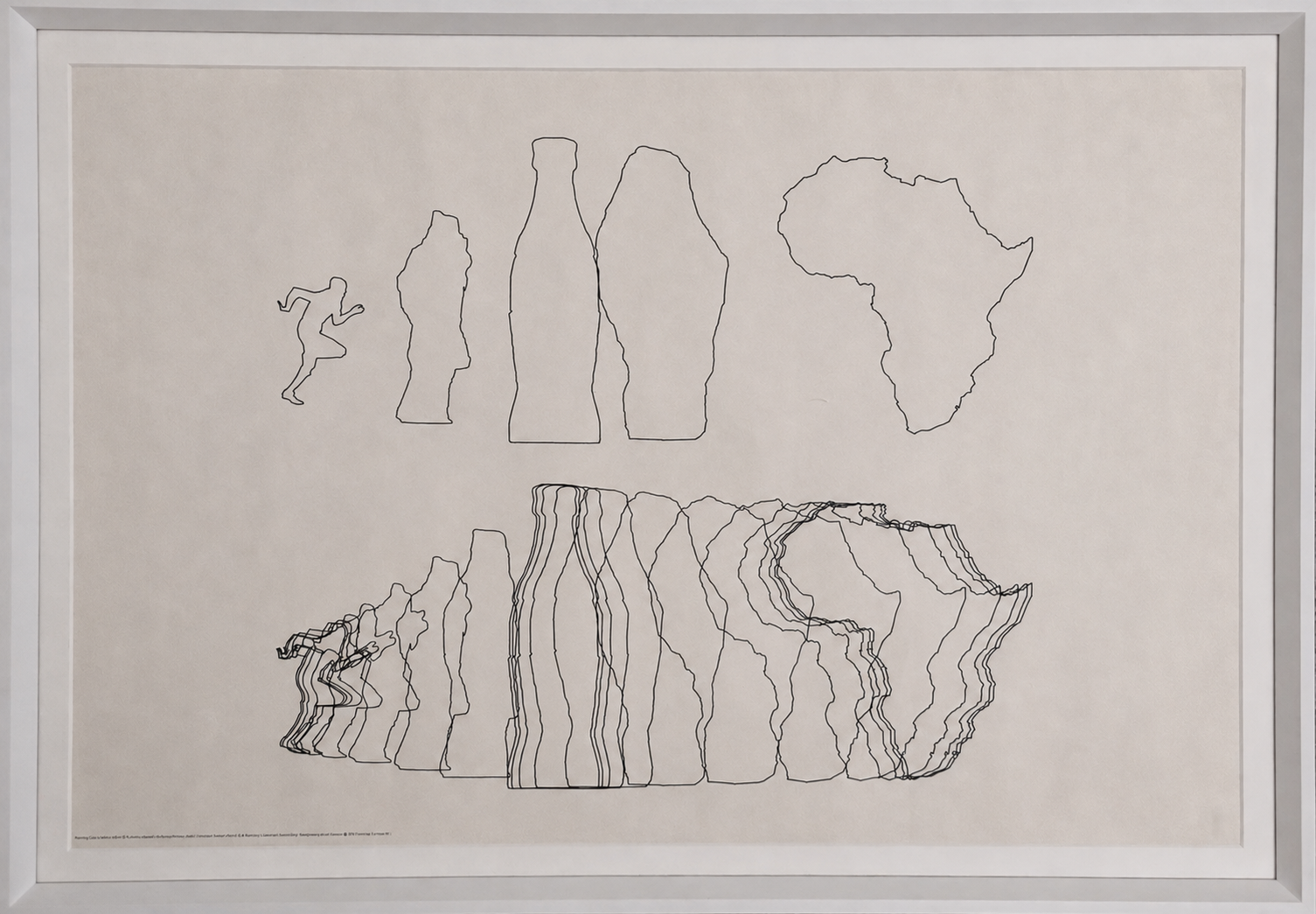
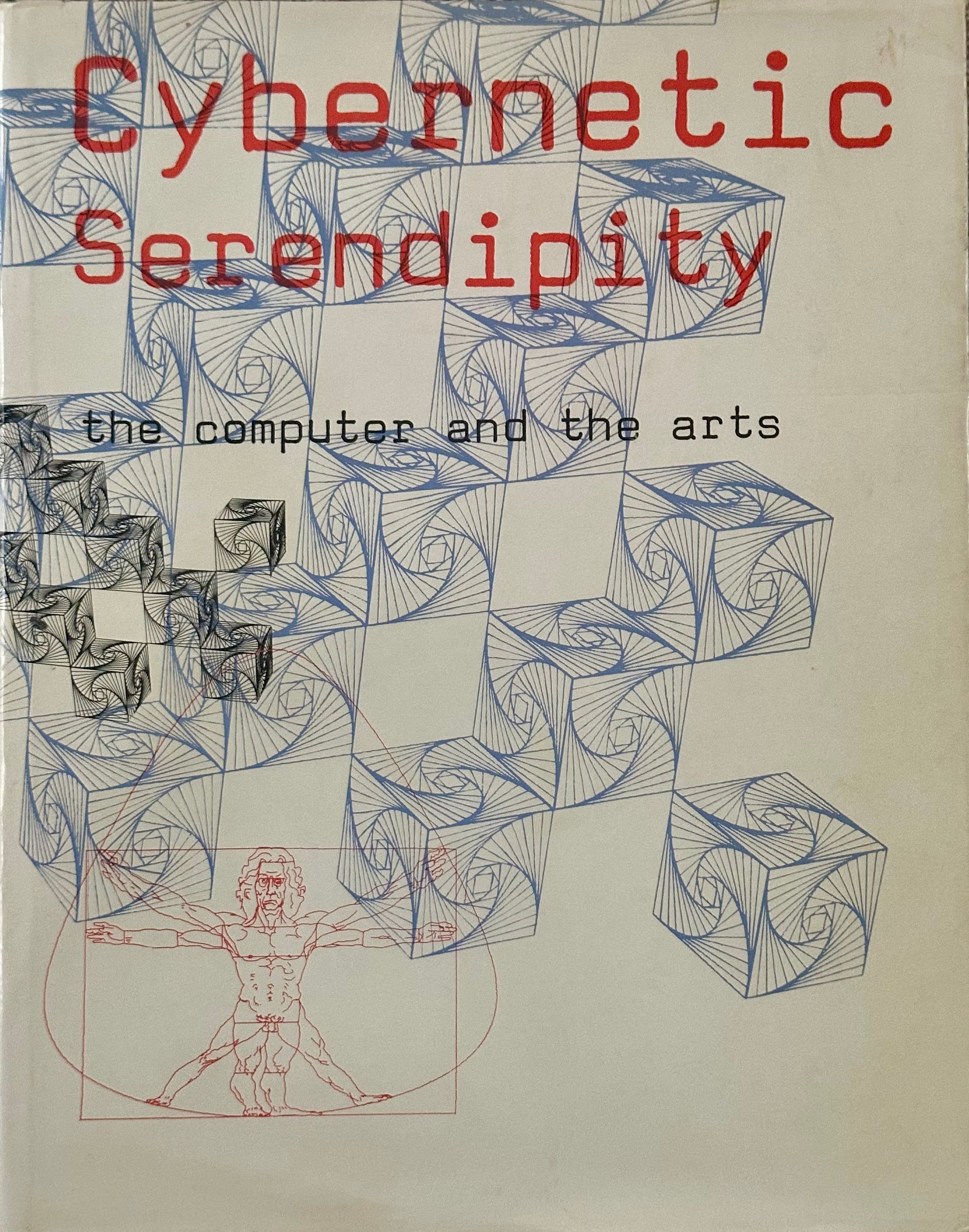
Human Figure records one of the foundational firsts of the computer age. In 1964, William Fetter created the first human figure drawn using a computer and the first three-dimensional digital model of the human body. Four years earlier, in 1960 at Boeing, he had coined the term “computer graphics.” Boeing Man became the defining image of the field he had named.
The figure emerged from a practical aerospace problem. Boeing needed to understand how pilots would interact with aircraft cockpits before expensive physical prototypes were built. Fetter's solution was to represent the human body mathematically. Based on U.S. Air Force anthropometric data, the articulated figure could be computationally repositioned to study reach, visibility, seating position, instrument placement, and cockpit ergonomics.
This was fundamentally different from simply using a computer to make a picture of a person. Fetter created a three-dimensional model: a mathematical structure whose pose and appearance could be recalculated from different viewpoints. The conceptual leap from drawing a body to modeling one inside a computer underlies later digital characters, computer animation, CAD, ergonomic simulation, virtual reality, and contemporary CGI.
The original system used Boeing mainframe computers, including the IBM 7094, with drawings executed by a Gerber plotter. The resulting wireframe body converted the human figure into coordinates, articulated components, and mathematical relationships, simultaneously recognizable as a person and visibly constructed as information.
By 1968, Fetter's image had moved beyond its original engineering purpose. His computer graphics were included in Cybernetic Serendipity: The Computer and the Arts at London's Institute of Contemporary Arts, a landmark exhibition that brought together more than 130 artists, engineers, mathematicians, composers, and scientists exploring computers, cybernetics, and creative practice.
Motif Editions selected Human Figure for a portfolio of seven lithographs published in connection with the exhibition. Identified in the original portfolio material as Human Figure—Black, Motif Edition ME/02/4, it appeared alongside works by Computer Technique Group, Charles Csuri and James Shaffer, Maughan S. Mason, Donald K. Robbins, and Kerry Strand.
The physical work is therefore a lithographic translation of computer-generated imagery rather than a direct plotter output. That distinction is part of its importance. A computational model originally created inside Boeing's mainframe environment became a reproducible artwork that could circulate internationally, enter private and museum collections, and stand as an image of the emerging computer age.
Human Figure marks the moment when the computer ceased merely calculating numbers and began constructing virtual bodies.