

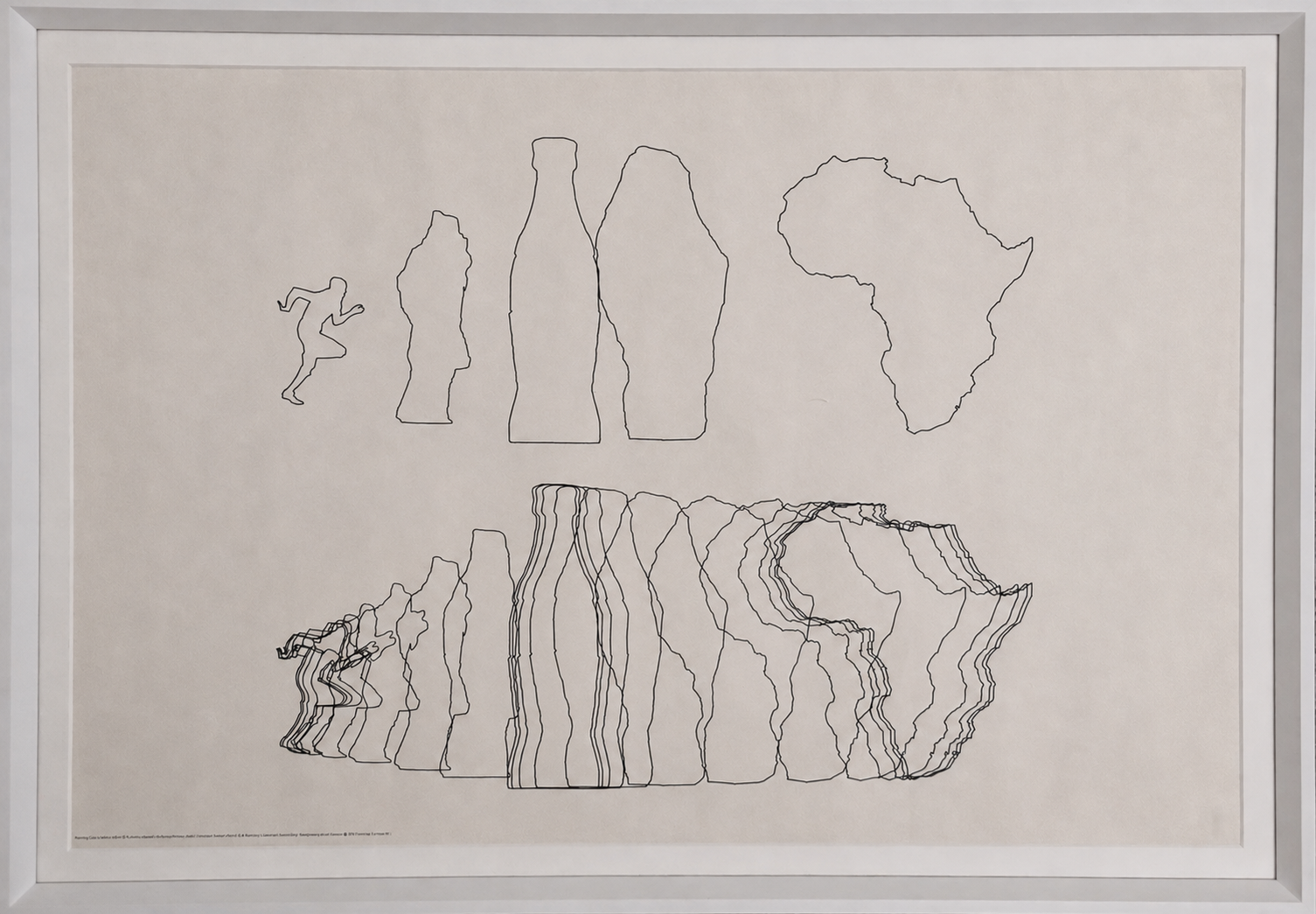
Running Cola Is Africa (1967–68) is one of the earliest examples of computer-generated image morphing. CTG used an image of the 1964 Tokyo Olympic 100 meter gold medalist Bob Hayes at the moment of take-off, a Coca Cola bottle, and a map of Africa to turn three unrelated figurative images into a continuous sequence using mathematical interpolation. Exhibited in the landmark Cybernetic Serendipity exhibition and issued in its Motif Editions portfolio, it became one of the defining images of early Japanese computer art.
Provenance
This editioned lithograph image is held by many prominent museums and private collections:
- Victoria and Albert Museum
- Museum of Contemporary Art Tokyo
- ZKM | Center for Art and Media Karlsruhe
- Buffalo AKG Art Museum
- Science Museum Group
- Anne and Michael Spalter Digital Art Collection
- Ragnar Digital Collection
- Masao Kohmura Collection
Exhibitions
1960s
- Institute of Contemporary Arts, London - Cybernetic Serendipity, 2 August - 20 October 1968. This is the work’s canonical appearance. It was listed in the catalogue under “Metamorphoses,” and the Motif Editions lithograph was published in connection with the exhibition. ICA exhibition archive · Science Museum object history
- Tokyo Gallery, Tokyo - CTG, Computer Art, 5 - 21 September 1968. Tokyo Gallery’s surviving installation photographs appear to show a large version of Running Cola is Africa. Tokyo Gallery exhibition archive
- Corcoran Gallery of Art, Washington, D.C. - Cybernetic Serendipity, 16 July - 31 August 1969. The London exhibition toured here with CTG represented. The surviving sources establish the tour and describe Running Cola as one of its featured paper-based works. Exhibition history
- Exploratorium, San Francisco - Cybernetic Serendipity, 1 November - 18 December 1969. The final documented American stop of the exhibition. Exhibition history
Later appearances
- NTT InterCommunication Center, Tokyo - Possible Futures: Japanese Postwar Art and Technology, 21 October - 25 December 2005. The ICC’s archive specifically lists Running Cola is Africa! ICC artwork and exhibition record
- Victoria and Albert Museum, London - Digital Pioneers, 7 December 2009 - 25 April 2010. V&A scholarship identifies the Cybernetic Serendipity prints as part of this historical display.
- Victoria and Albert Museum, London - Chance and Control: Art in the Age of Computers, 7 July - 18 November 2018. Again documented in V&A scholarship as including material from the Cybernetic Serendipity print group.
- Museum of Contemporary Art Tokyo - MOT Collection: Rewinding the Collection 2nd, 16 July 2022 - 19 February 2023. MOT’s official checklists explicitly name the work in both exhibition phases. This was its large 70 × 90 cm silkscreen, not the Motif lithograph. First phase · Second phase
- Victoria and Albert Museum, London - Patric Prince: Digital Art Visionary, 14 August 2023 - 8 September 2024. The V&A specifically identifies its signed screenprint by Masao Kohmura among the display highlights. V&A exhibition page
- Matsuo Megumi + Voice Gallery, Kyoto - What the Body Knows, September - October 2025. A Kohmura-owned screenprint was presented as a special display. The gallery describes it as one of a screenprint edition of 60 produced in the early 1970s. Gallery record
References
The runner is Bob Hayes (1942–2002), the African American sprinter nicknamed “Bullet Bob.” He won gold medals in the 100 metres and 4x100-metre relay at the 1964 Tokyo Olympics. CTG used an outline of Hayes at the moment of acceleration as the first image in the transformation sequence. Masao Komura confirmed this identification in an interview with the Japan Graphic Design Association
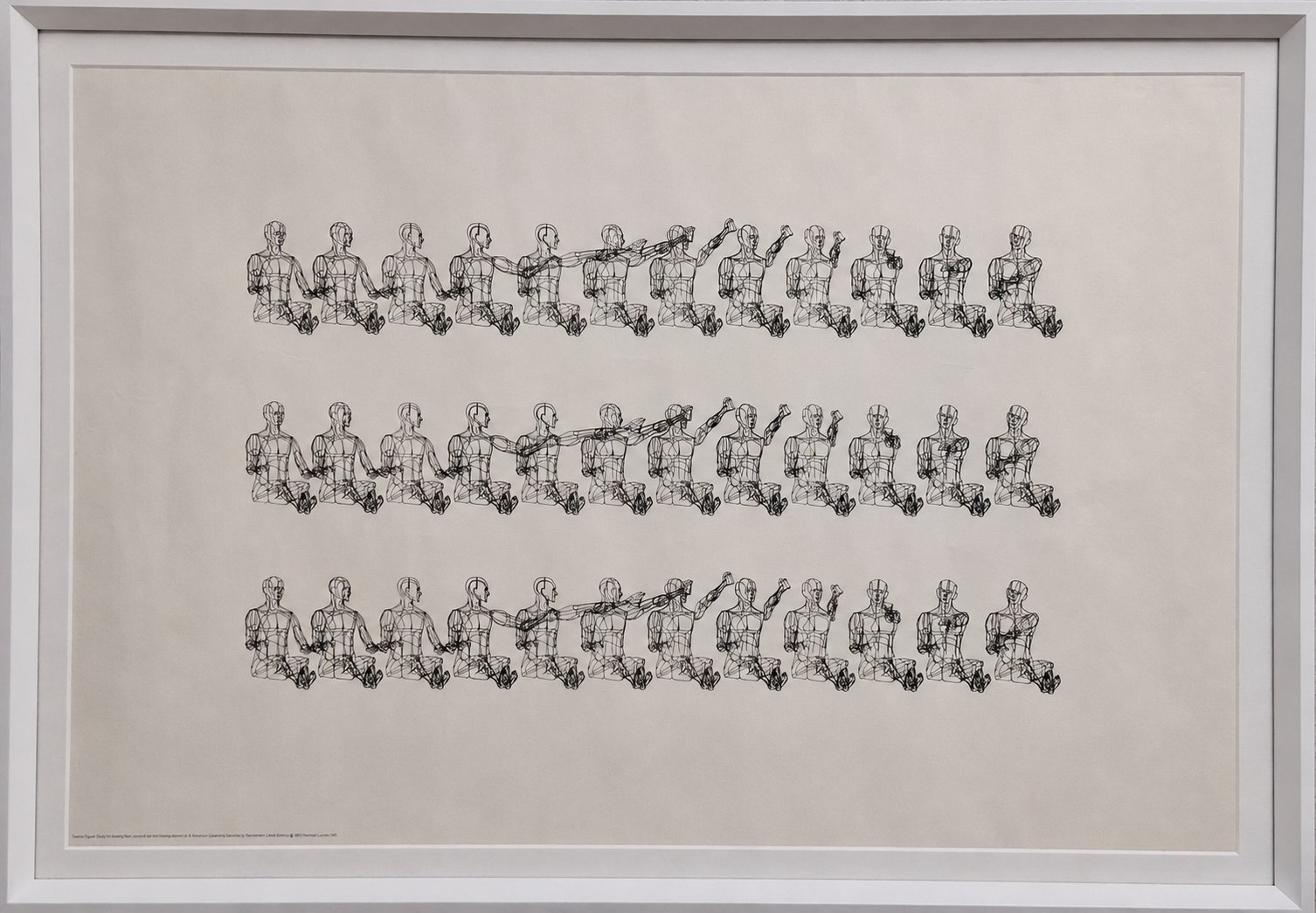
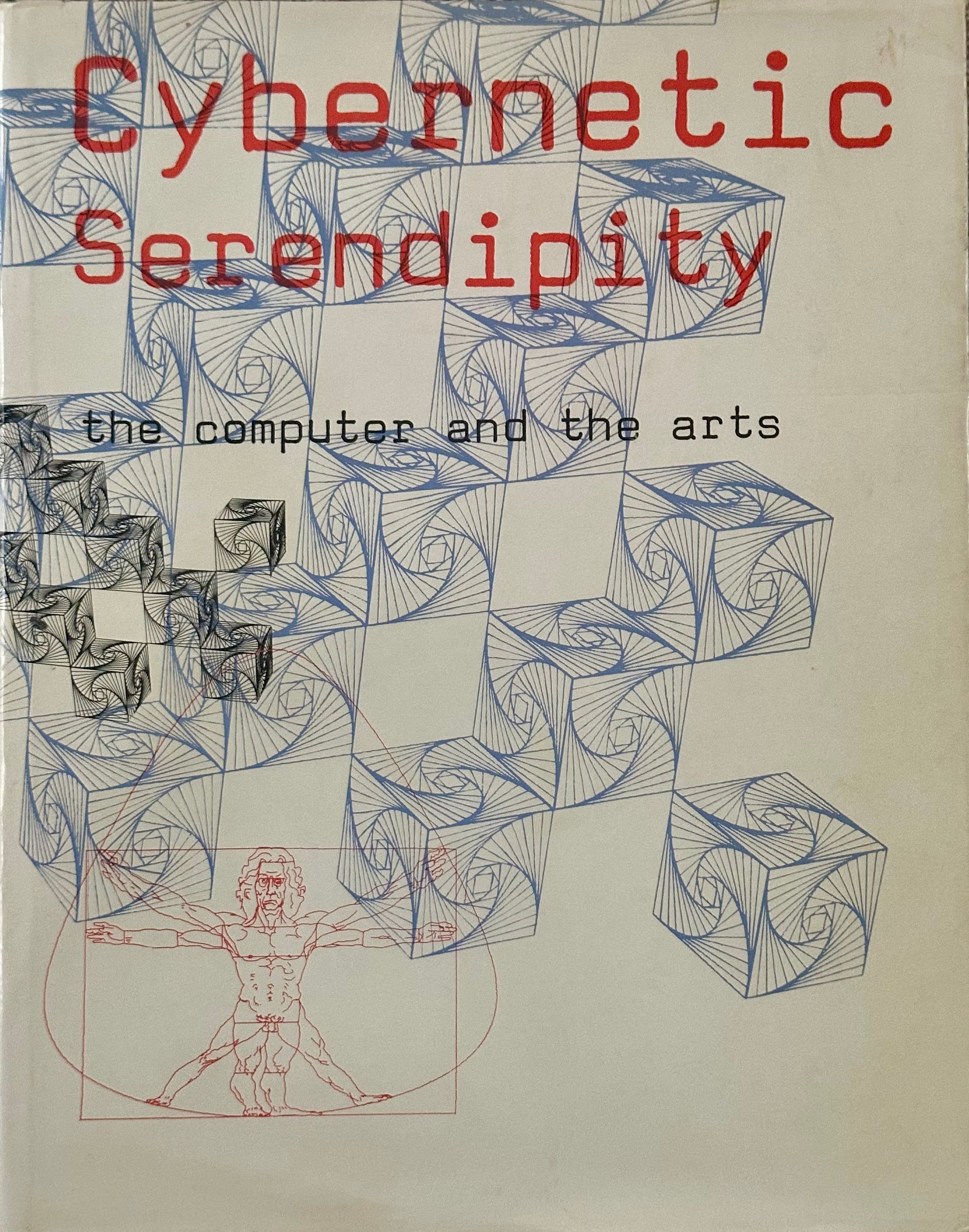
At a time when most computer imagery was geometric, scientific, or technical, Running Cola is Africa used computation to transform recognizable human, commercial, and geographic symbols.
The piece was created in Tokyo by the Computer Technique Group (CTG), a pioneering interdisciplinary collective formed in 1966 that united artists, industrial designers, and software engineers. The core contributors for this specific piece were:
Production Method & Technical Workflow