
Artist · 1981–present
Kim Asendorf
German
Berlin, Germany
Kim Asendorf (b. 1981) is a German artist who works with code, pixels and real-time animation. His abstract compositions develop through shifting grids, color and programmed disruptions. His practice explores the unexpected patterns that arise when simple systems are set in perpetual motion.
In the collection
19 works

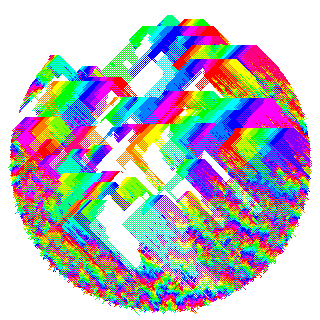
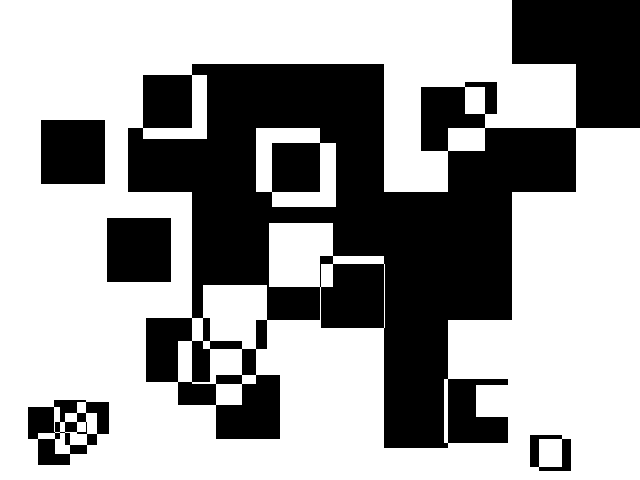
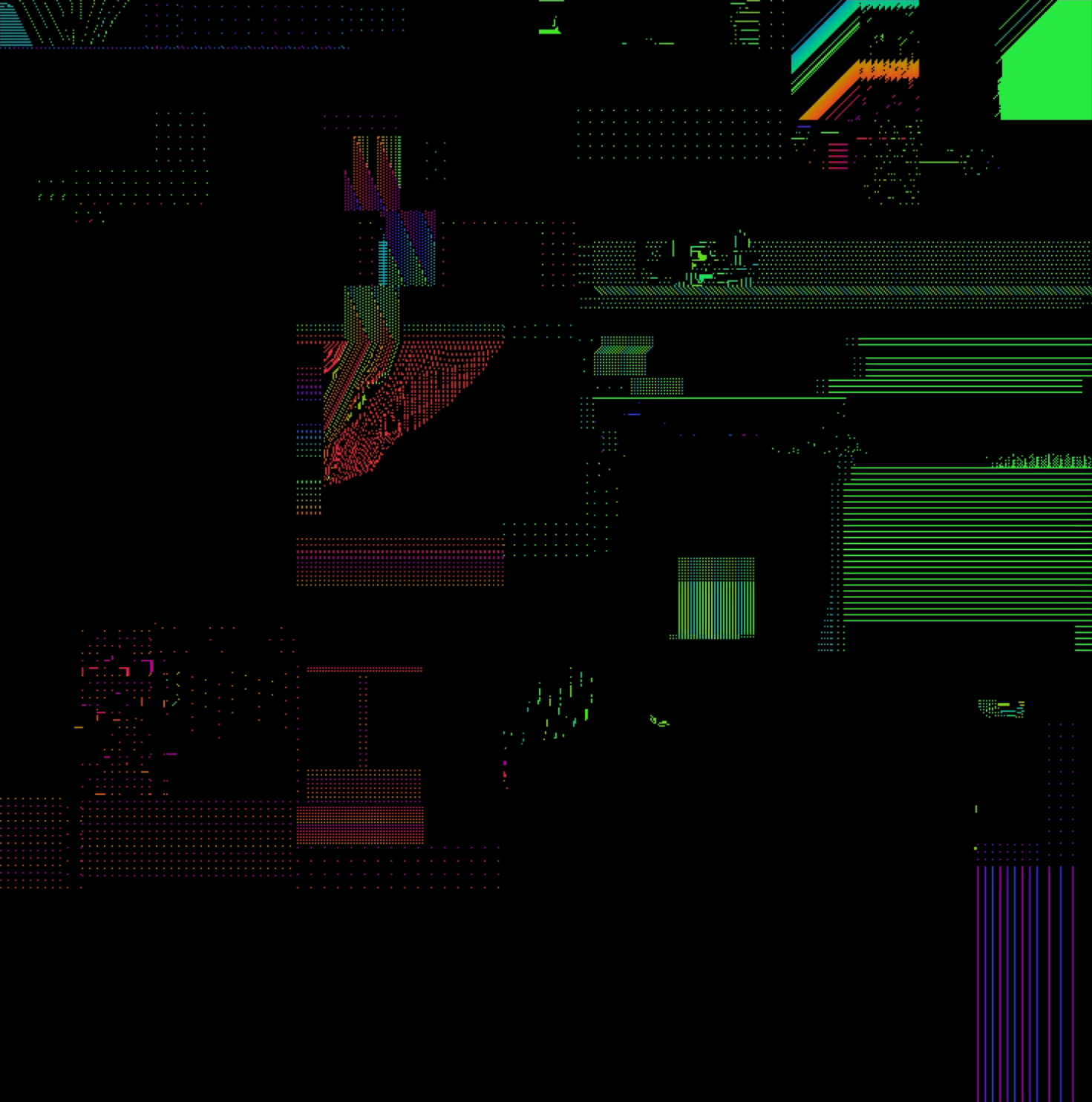
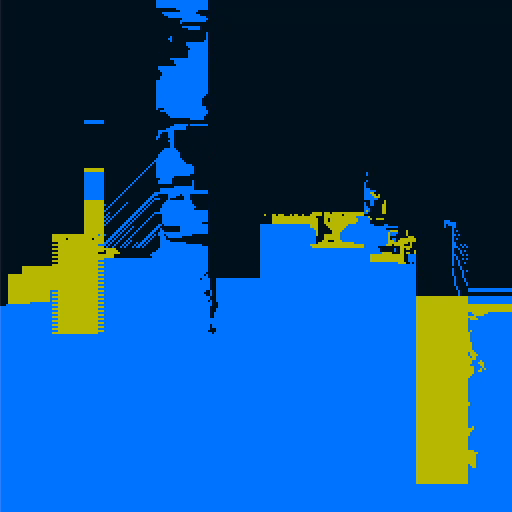
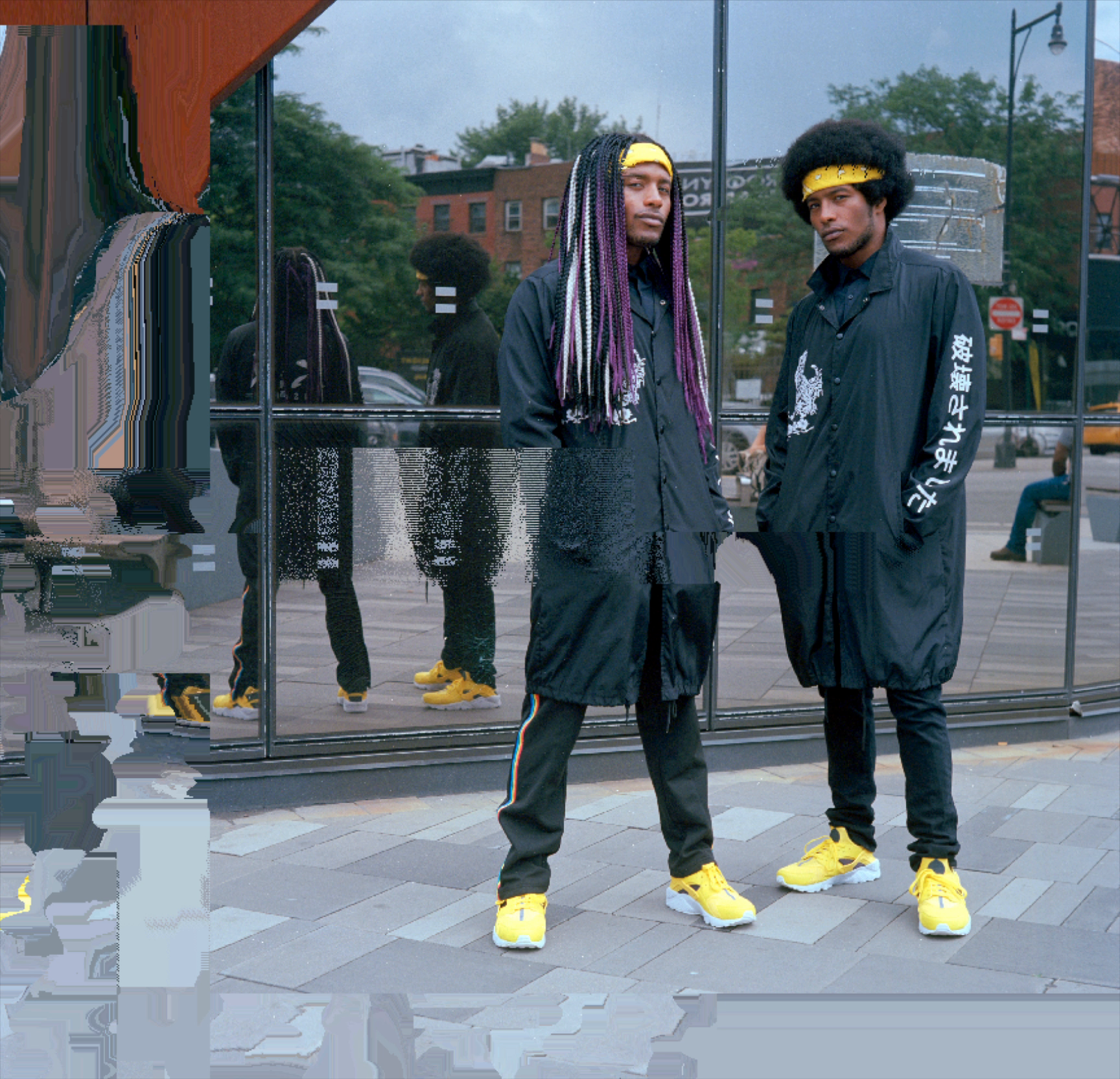
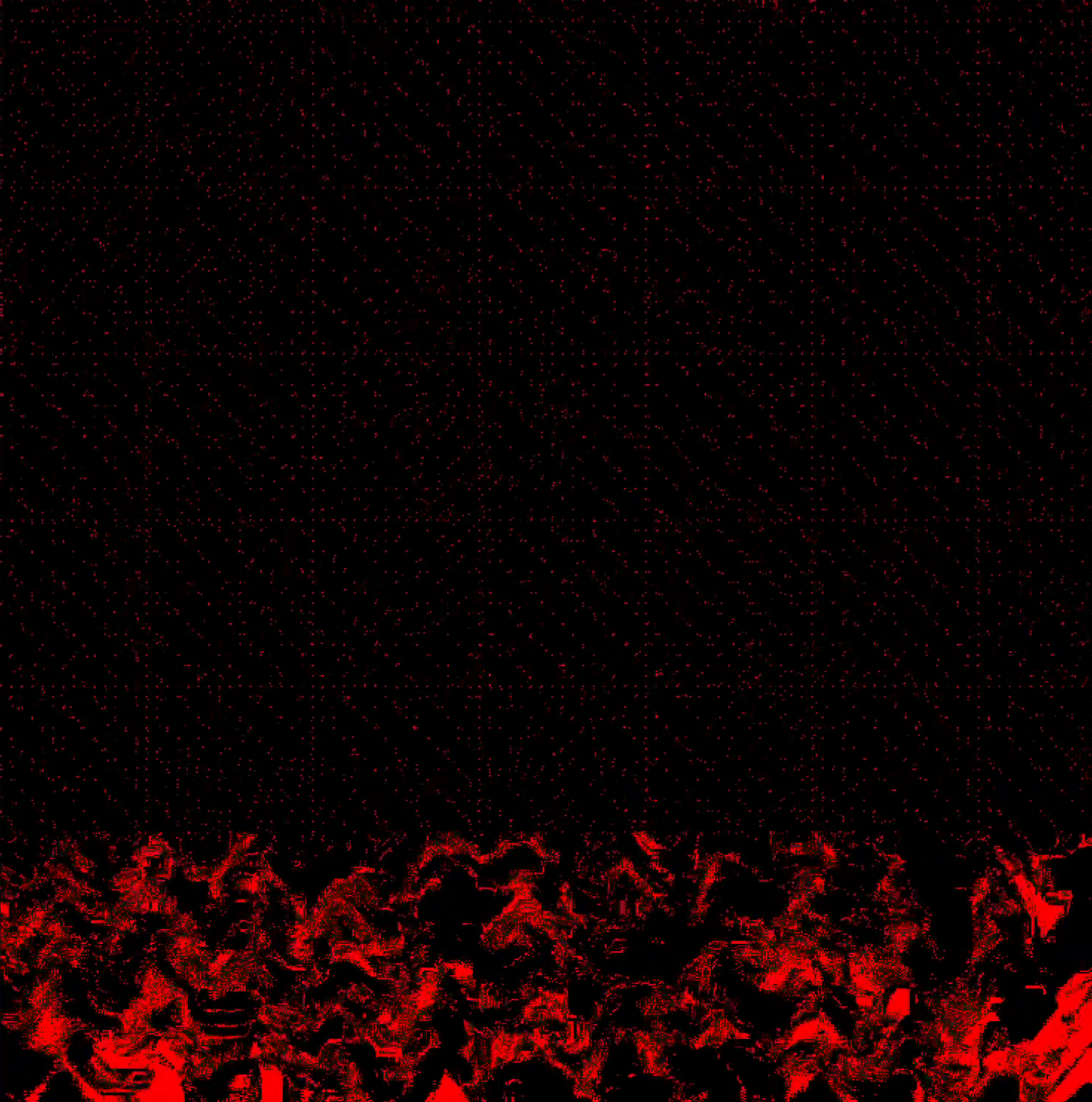
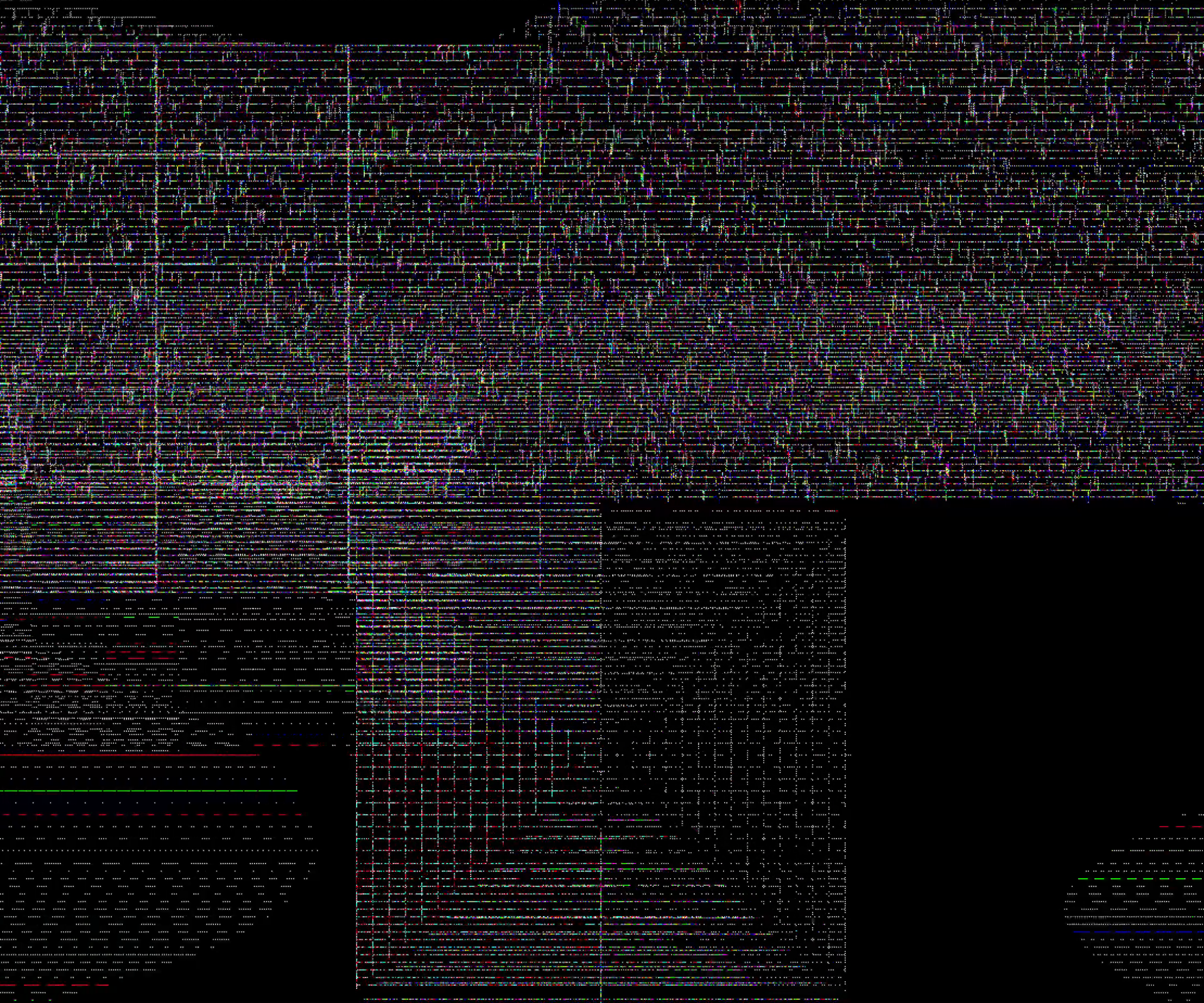

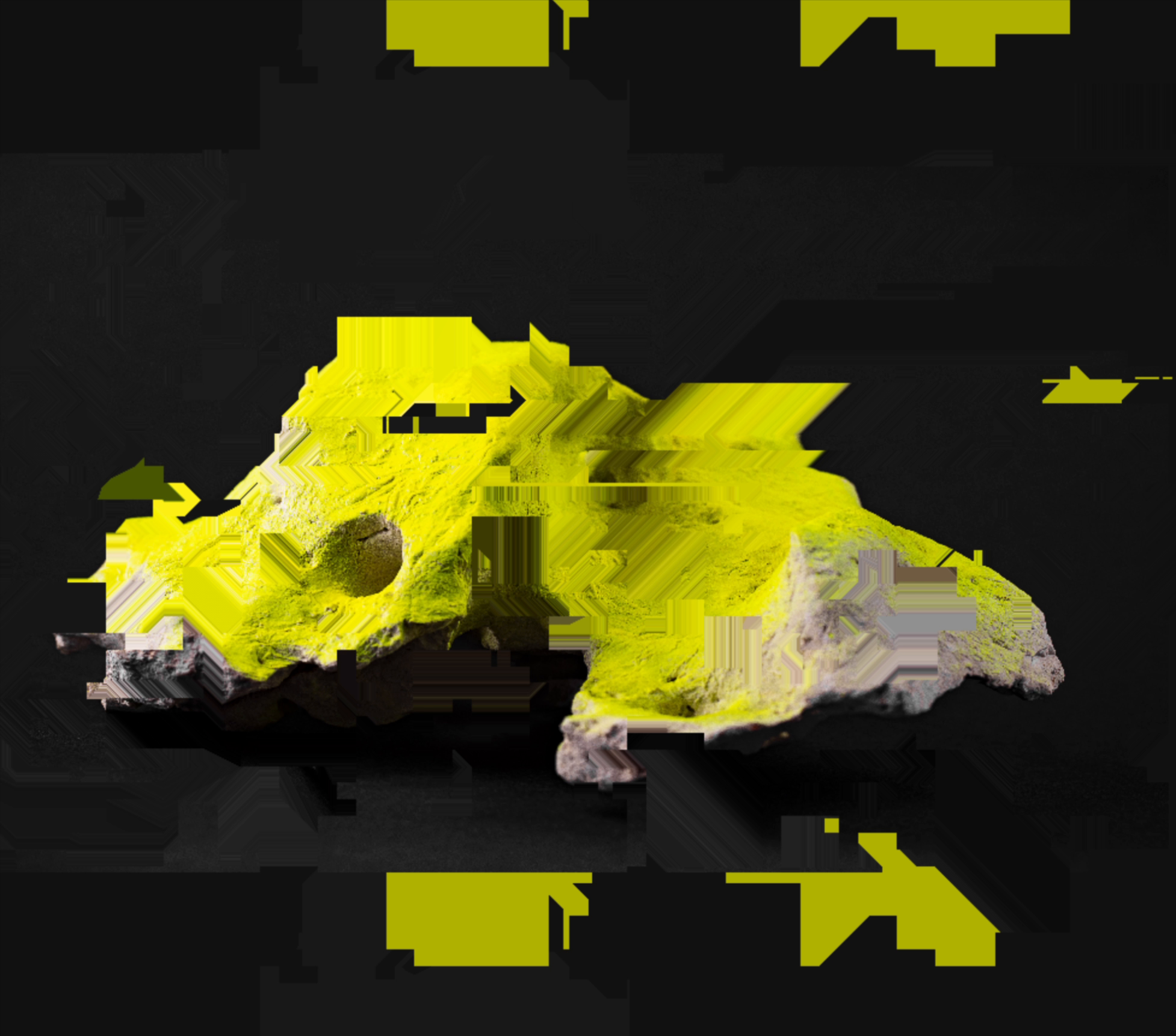

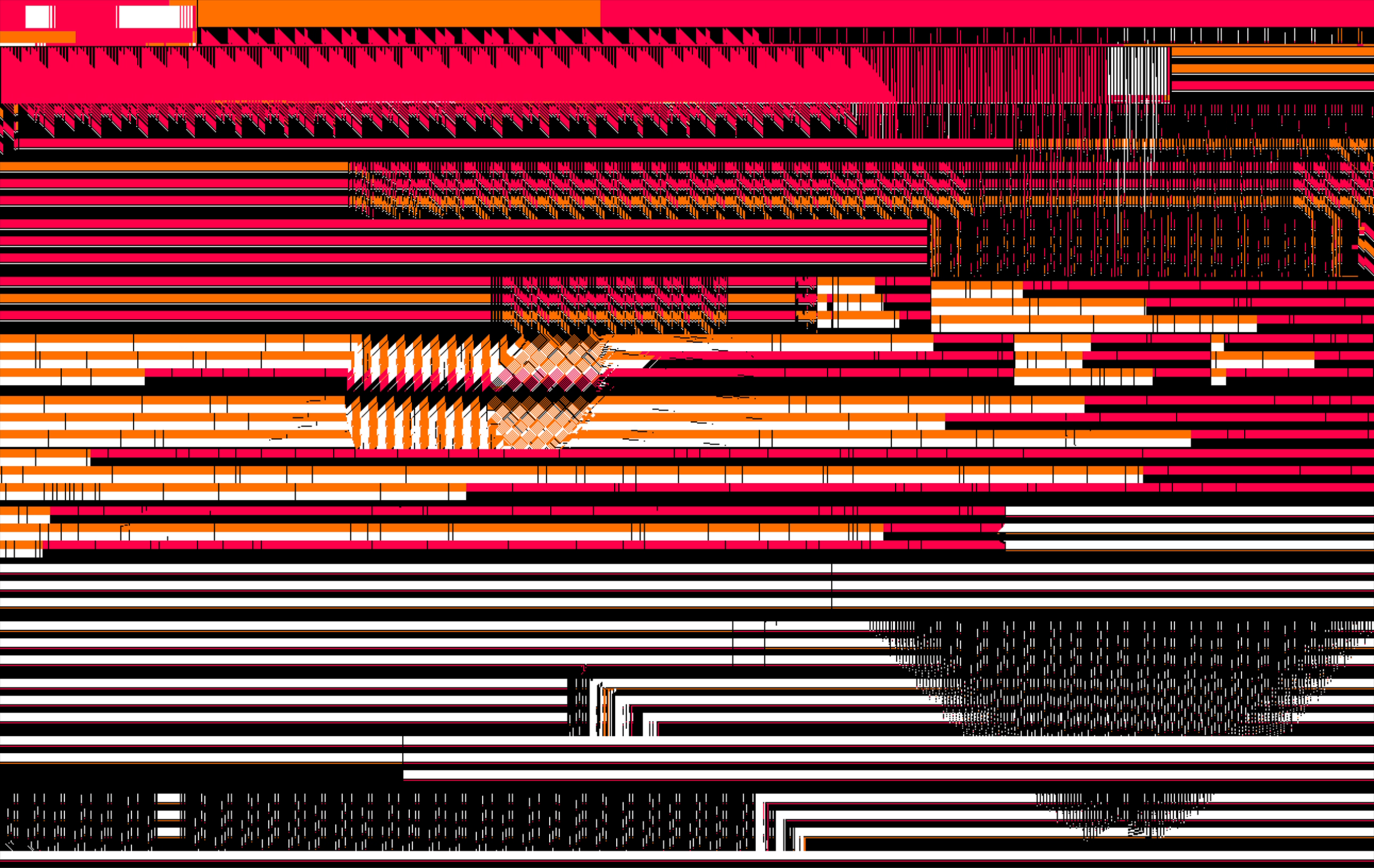
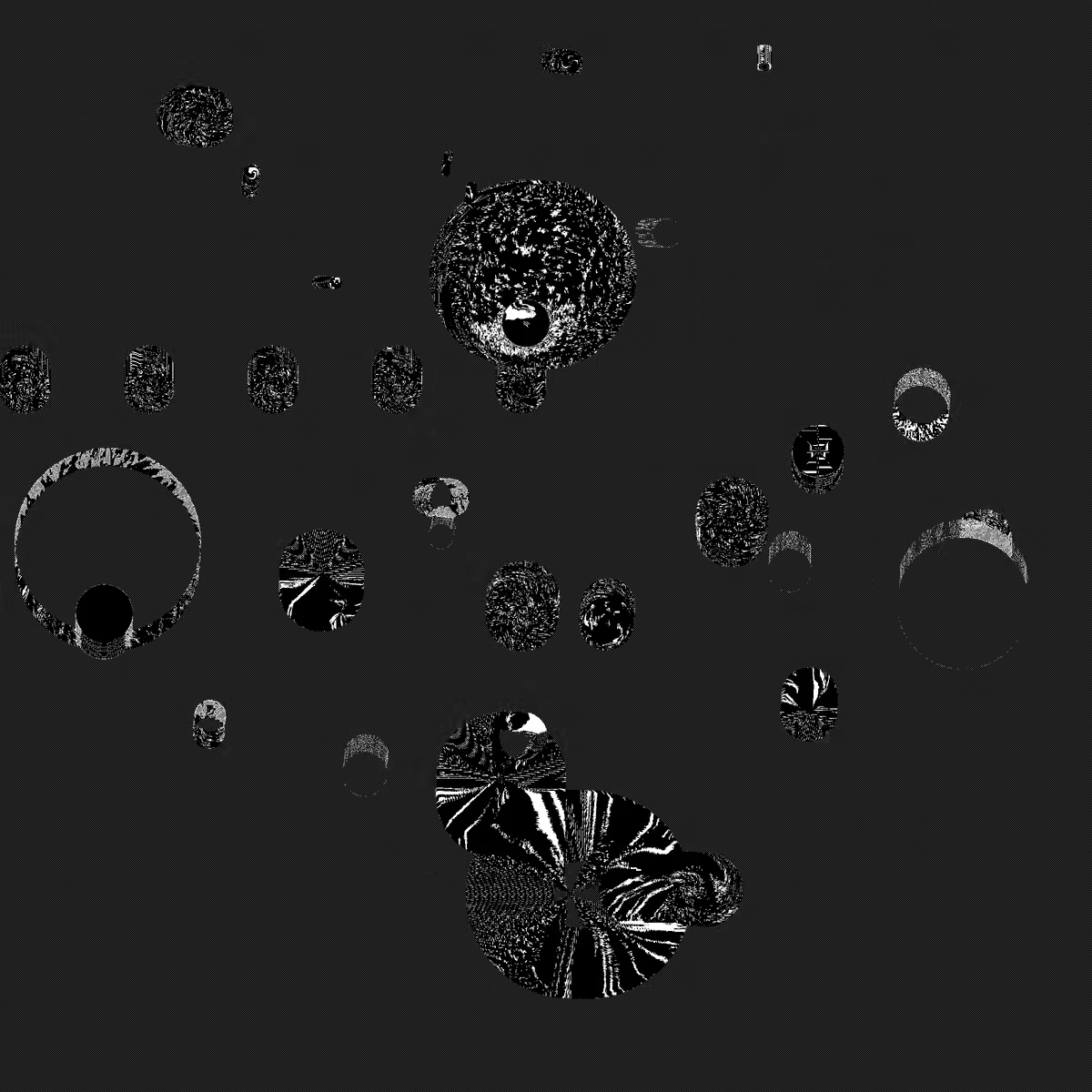
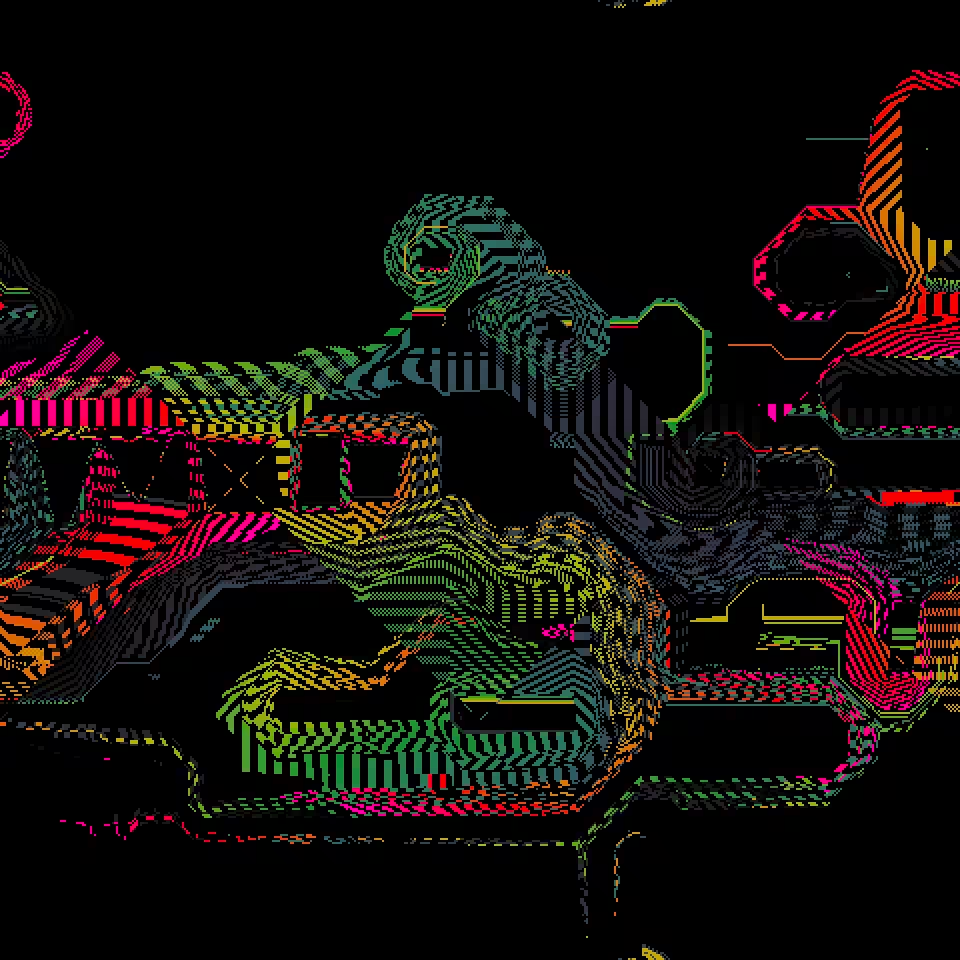
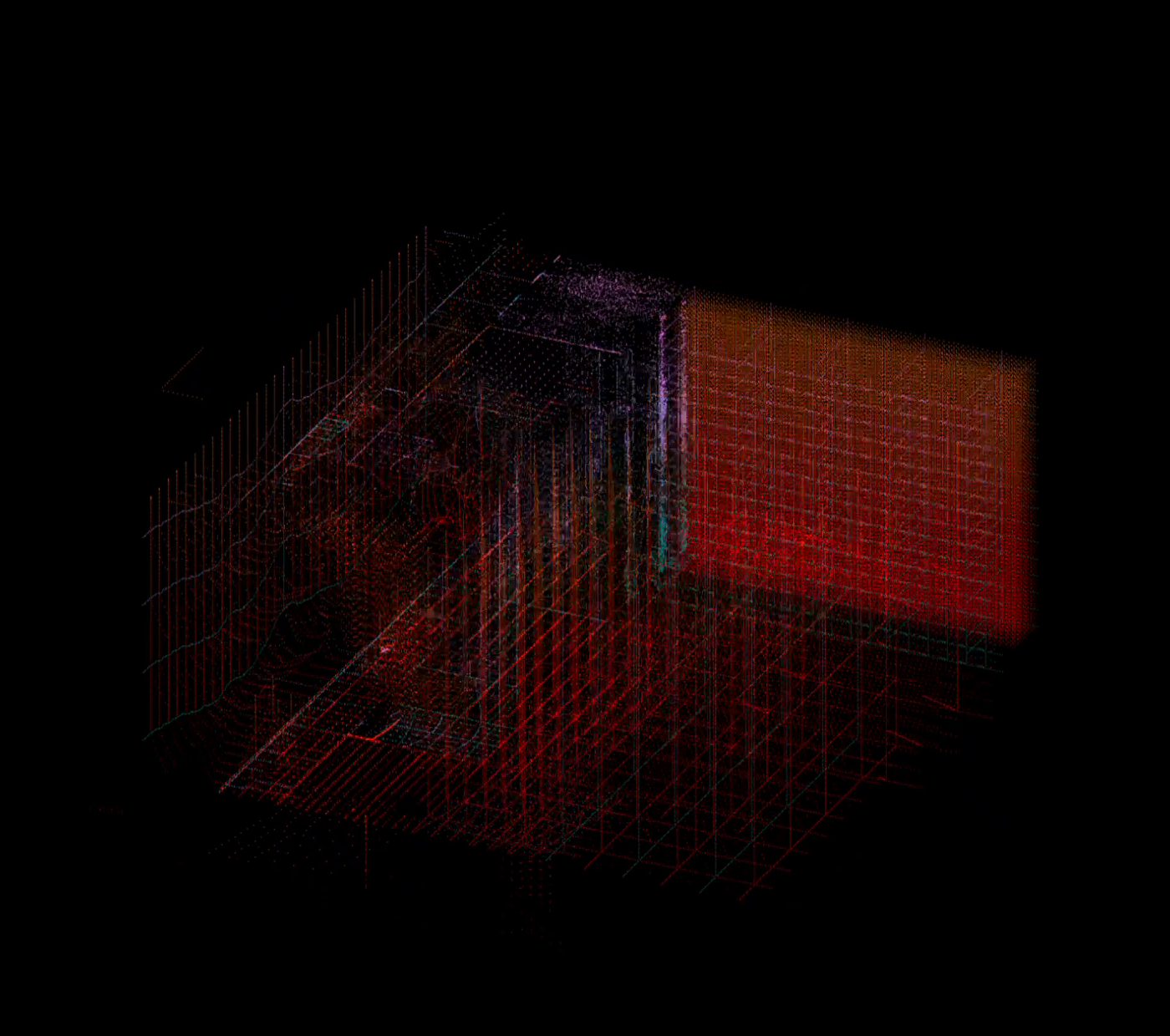
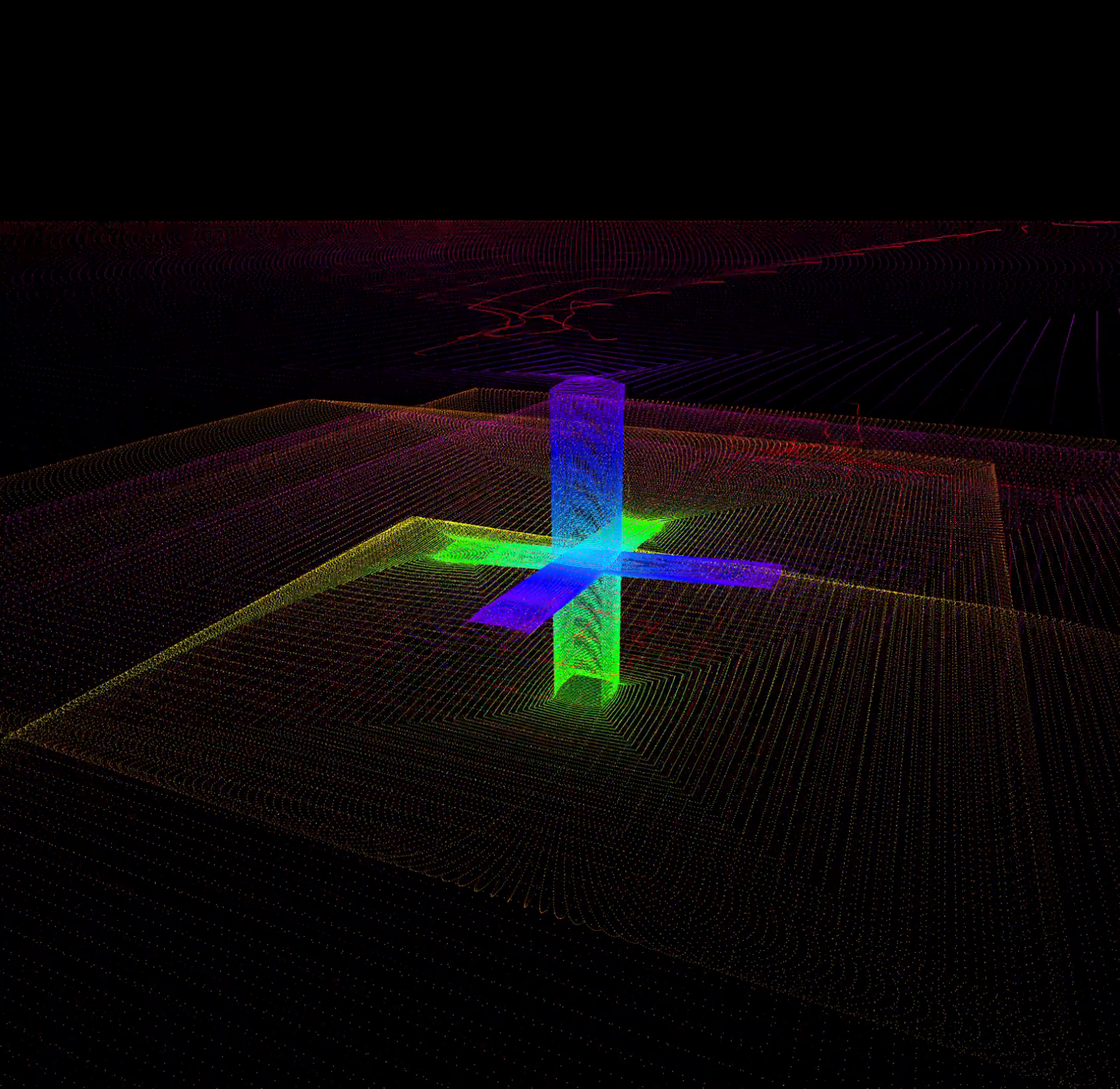
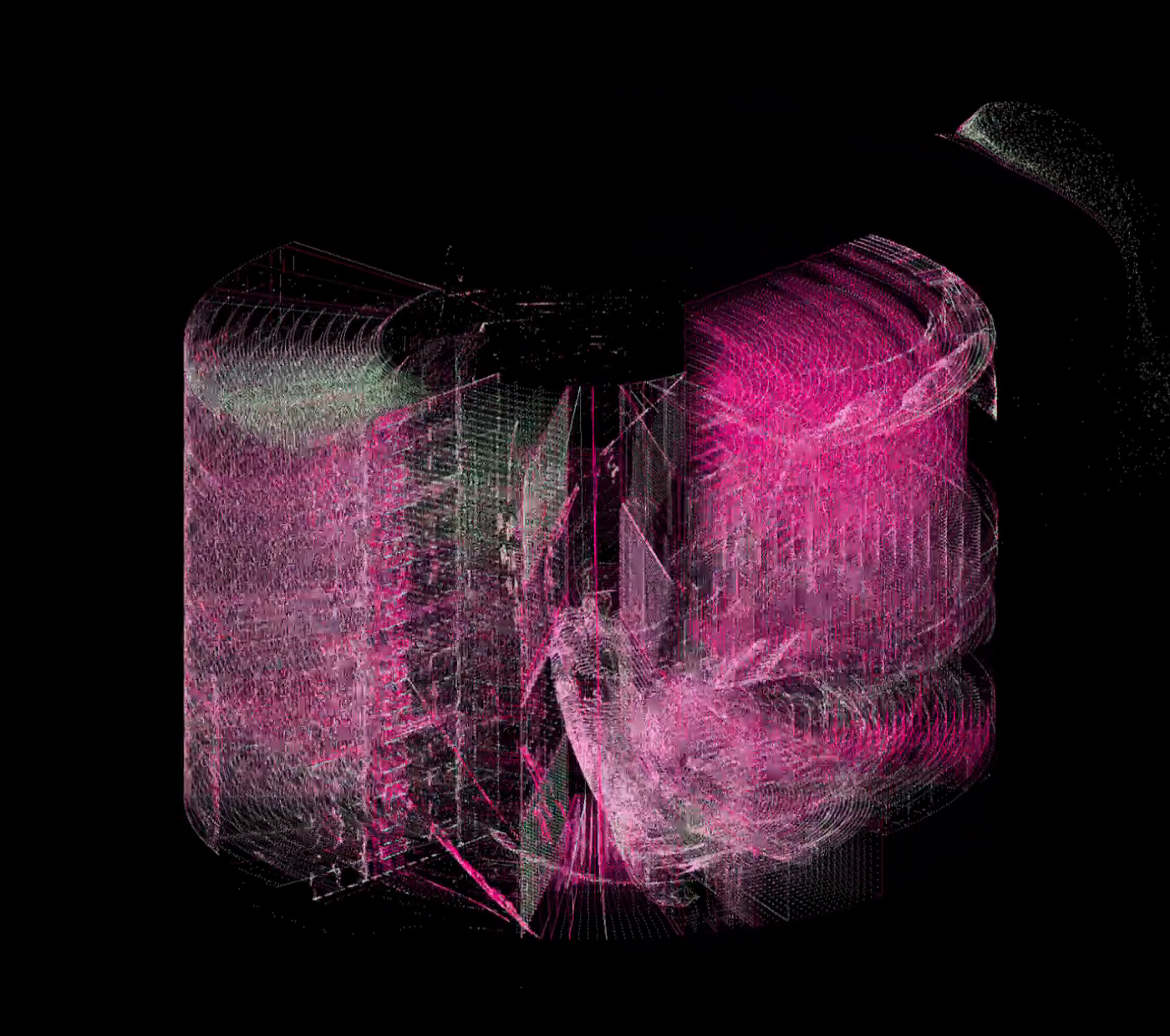
Kim Asendorf treats the pixel as a unit from which an image can be built, disturbed, and rebuilt. His software produces shifting fields of lines, grids, and color, balancing recognizable structures with sudden changes of rhythm and density. The work develops as it runs, making duration central to the experience of his art.
Born in Bremen in 1981, Asendorf studied at the School of Art and Design in Kassel and is based in Berlin. He is widely recognized for inventing pixel sorting, an algorithmic technique for reorganizing an image’s pixels according to programmed criteria. By sharing his code openly in 2010, he helped establish pixel sorting as a ubiquitous visual method and an aesthetic cornerstone of early glitch art.
In 2014, Kim created Humans watching Digital Art, widely recognized as the first animated GIF transmitted into deep space (beamed toward the Gliese 526 star system via the RT-70 radar telescope).
PXL DEX (2025) marked a major evolution in Asendorf's practice. Built with JavaScript, WebGL, and GLSL, its real-time animations arrange colored pixels into dense, architectural structures set against black. Viewers can rotate and zoom into the work, altering their relationship to its surface and depth. Combining visual computation with cryptocurrency tokenomics, each pixel is tied to an on-chain token ($PXL). The artwork doubles as a smart-contract wallet, where visual density changes according to the amount of deposited tokens. The series has since expanded through subsequent collections, including PXL POD and PXL NET.
Asendorf’s work has been presented internationally at institutions including transmediale, ZKM, and the Photographers’ Gallery. His 2025 survey Complex, hosted by the Goethe-Institut Thailand in Bangkok, traced his trajectory from monochrome grid systems to dynamic spatial compositions, followed by his 2026 solo exhibition PXL at NODE in Palo Alto.
Exhibitions
In the library