


01 / 03Rolling Stone, no. 26, February 1, 1969, with Jimi Hendrix on the cover and “Computer Art” announced at right
Open full-size image ↗Magazine or periodical
Rolling Stone, February 1969: “Computer Soul”
1969The February 1, 1969 issue of Rolling Stone carried “Computer Art” on its Jimi Hendrix cover and devoted its “Visuals” section to Thomas Albright’s “Computer Soul.” Illustrated by William Fetter’s Boeing computer figures, the article brought Cybernetic Serendipity and the new field of computer art into a mass American countercultural publication.
- Author / editor
- Thomas Albright
- Publisher
- Straight Arrow Publishers, Inc.
San Francisco, USA - Format
- Biweekly periodical printed on newsprint
- Language
- English
- Edition
- No. 26
- Reference
- Cybernetic Serendipity
Related in the collection
William Fetter, 1968
Jasia Reichardt, editor. Franciszka Themerson, design & layout., 1968
Peter Schmidt, editor. Peter Zinovieff, cover artist., 1968
Jasia Reichardt, editor, 1971
Computer art enters the counterculture
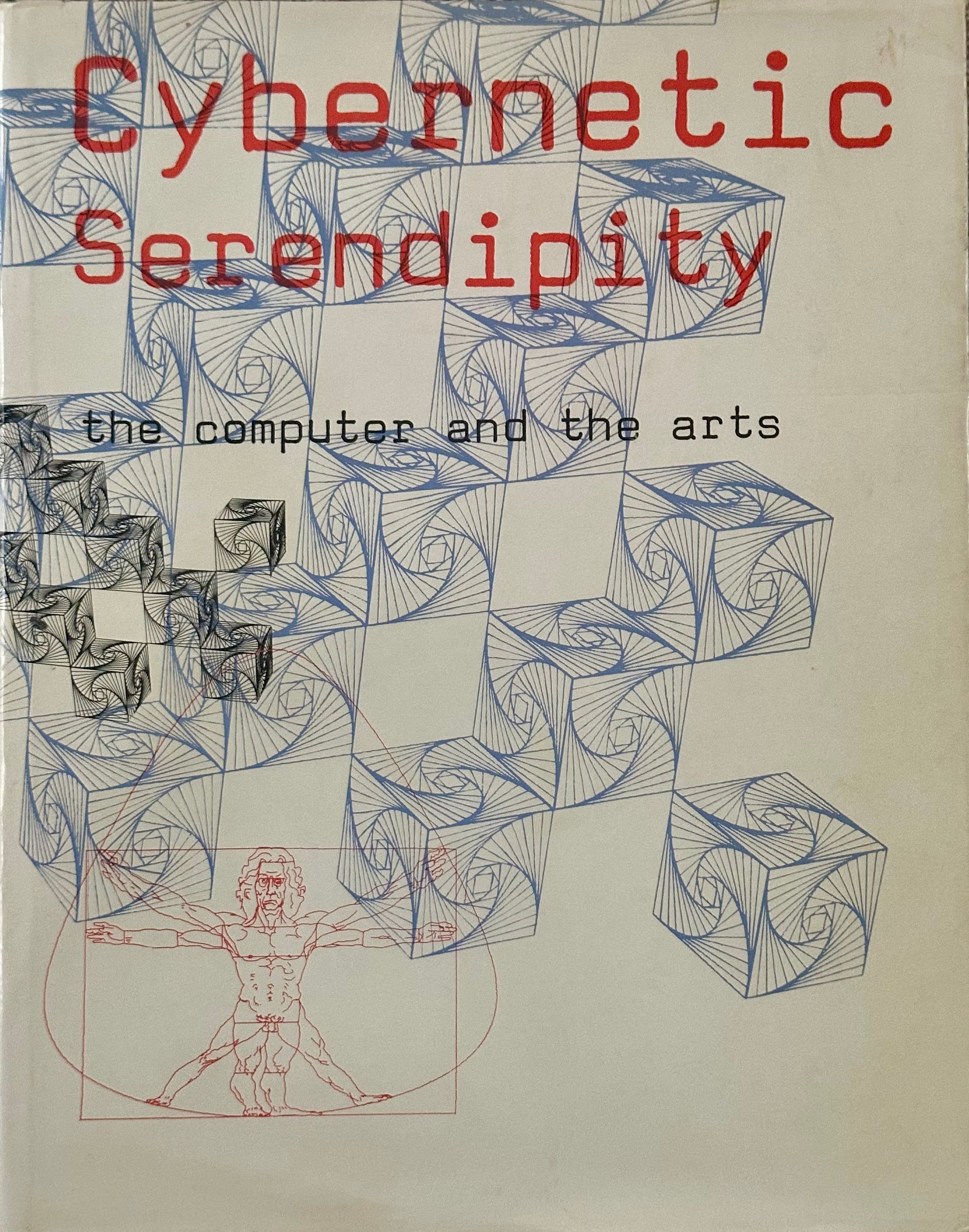
Published only months after Cybernetic Serendipity opened at the Institute of Contemporary Arts in London and The Machine as Seen at the End of the Mechanical Age opened at the Museum of Modern Art in New York, “Computer Soul” is an unusually early example of computer art reaching a broad nonspecialist audience. The subject was prominent enough to appear as “Computer Art” on a cover otherwise devoted to Jimi Hendrix and the year’s music.
Albright begins from skepticism toward computer art but arrives at a more open judgment. His argument centers less on the novelty of machines than on the new possibilities created by algorithms, chance, collaboration and forms that computers could produce more readily than conventional tools. He also emphasizes that many participants were “non-artists” — engineers and scientists whom Jasia Reichardt brought into an art context.
Fetter’s Boeing Man as a media image
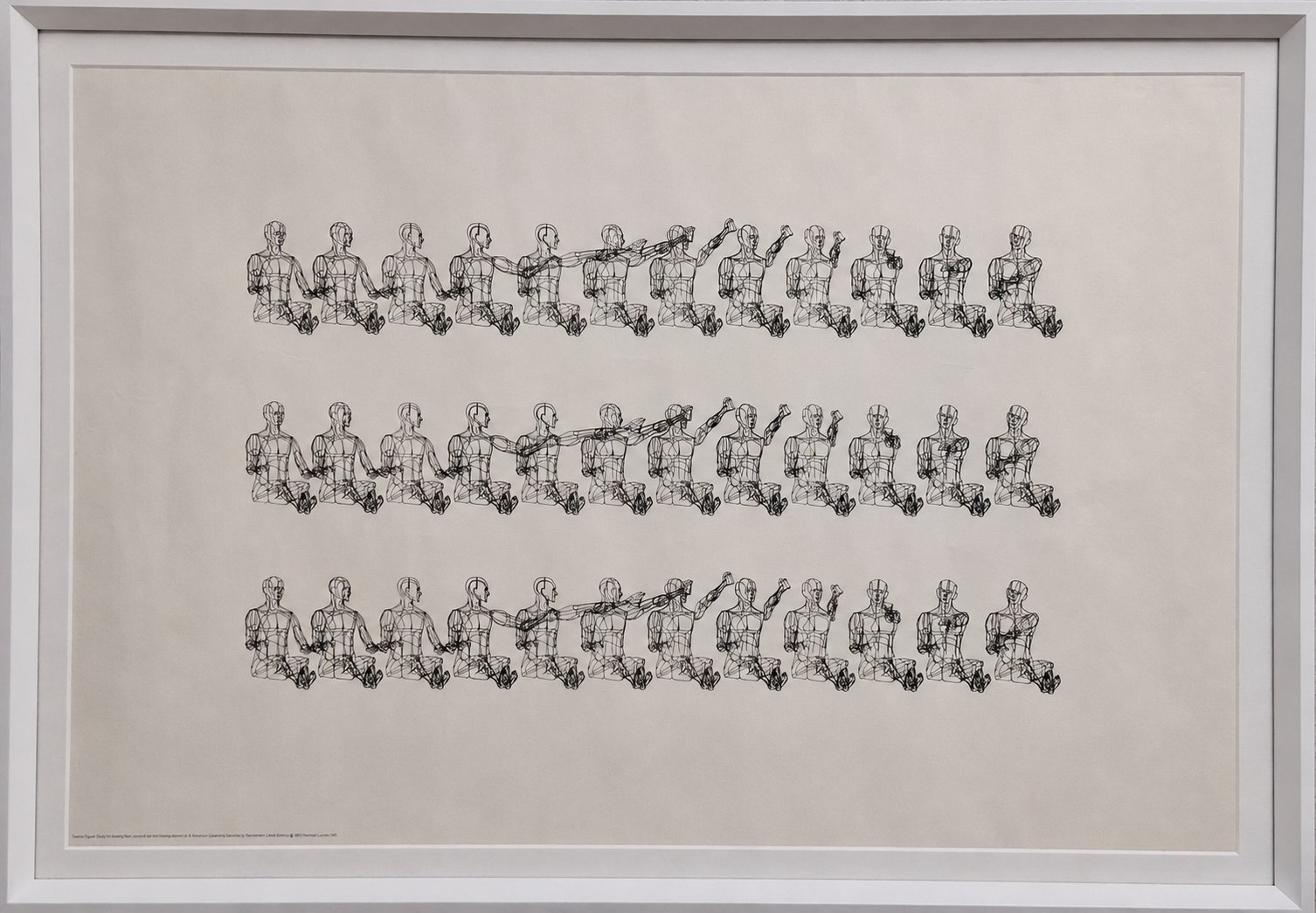
The opening spread is dominated by articulated variants of William Fetter’s Human Figure aka First Man, the Boeing model developed for cockpit ergonomics. Repeated in different poses, the figure reads like a sequence of animation stills and makes technical visualization look strikingly contemporary. Its migration from Boeing research to Cybernetic Serendipity and then to Rolling Stone traces one of the clearest routes by which early computer graphics entered popular visual culture.
Although the article surveys computer-generated graphics, cybernetic machines, film and music, the editorial design makes Fetter’s figure its principal visual emblem. The issue therefore documents not just criticism of computer art, but the transformation of the Boeing Man into a recognizable image of the computational future.