

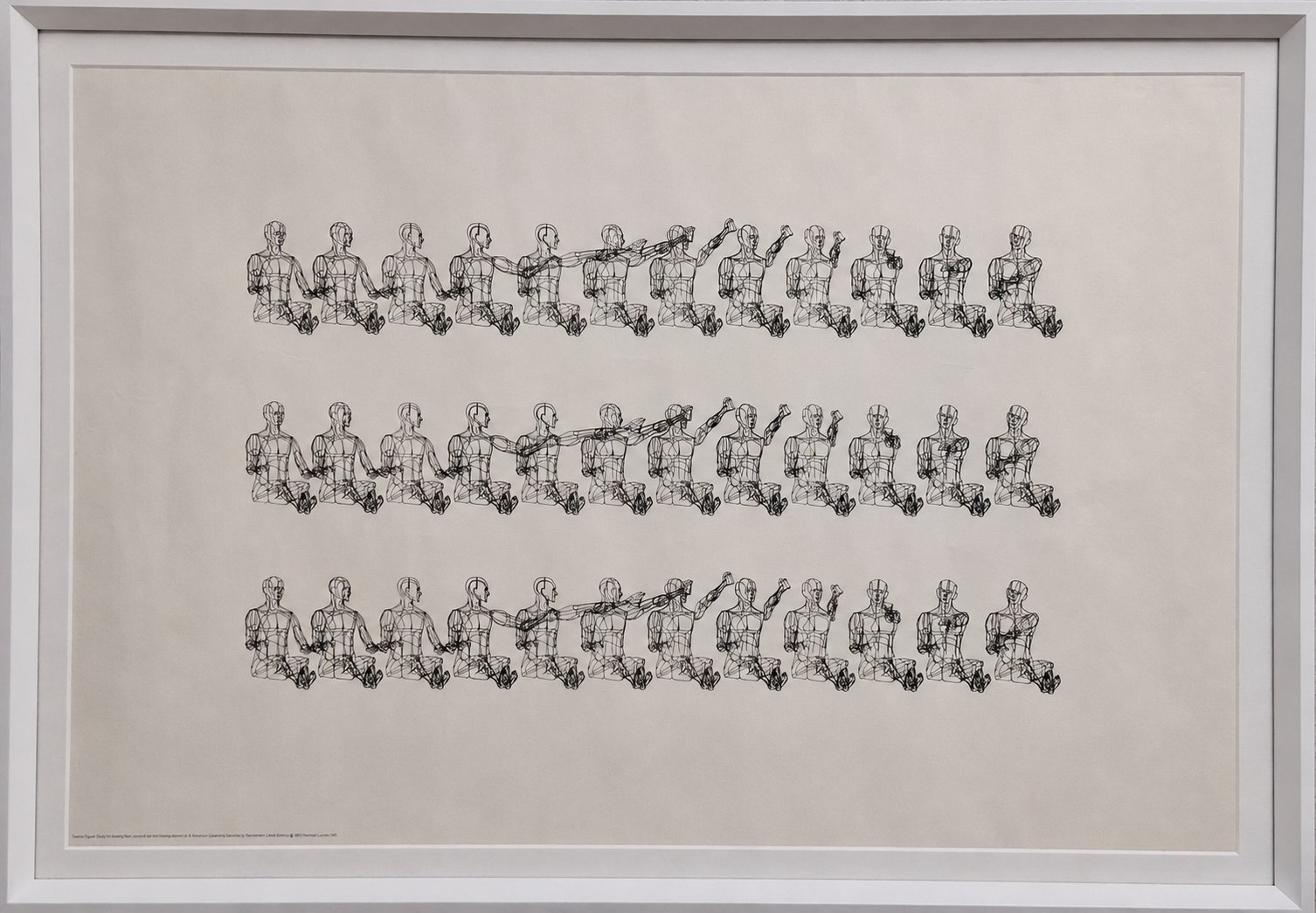
William Fetter coined the term “computer graphics” in 1960 at Boeing where his team produced mathematically calculated perspective views of aircraft and other three-dimensional objects. From this work emerged Human Figure, widely regarded as the first articulated three-dimensional computer model of the human body. The model is often dated 1964, although its mature form is first securely documented in Fetter’s publications of 1966. This 1968 Motif Editions lithograph brought that landmark engineering image into Cybernetic Serendipity and the history of computer art.
Provenance
This editioned lithograph image is held by many prominent museums and private collections:
- Victoria and Albert Museum
- Buffalo AKG Art Museum
- Science Museum Group
- Anne and Michael Spalter Digital Art Collection
- Ragnar Digital Collection
Exhibitions
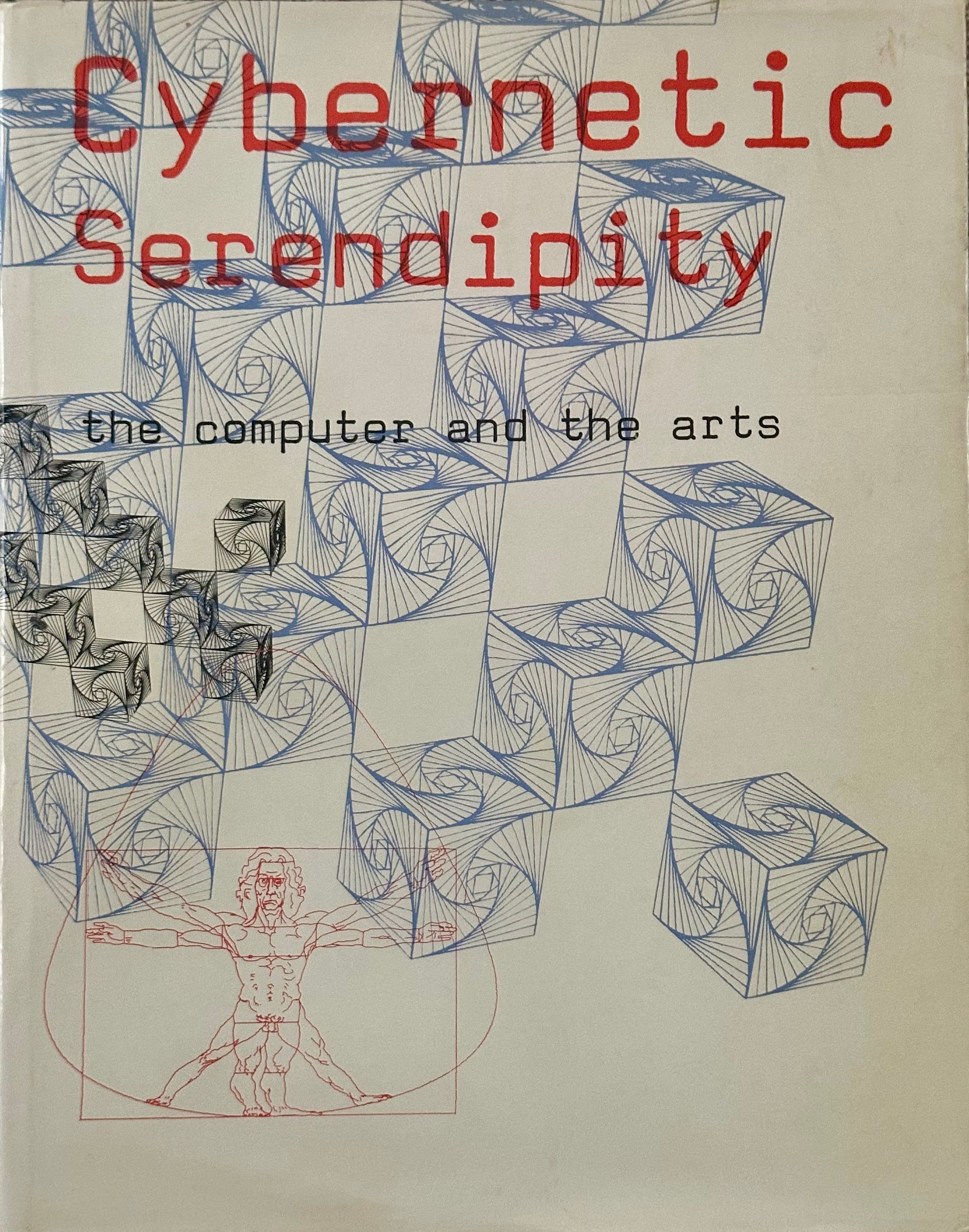
1968 - Cybernetic Serendipity: The Computer and the Arts, Institute of Contemporary Arts, London, August 2–October 20, 1968. William Fetter's Human Figure computer graphics were exhibited; this Motif Editions lithograph was published in connection with the exhibition.
References
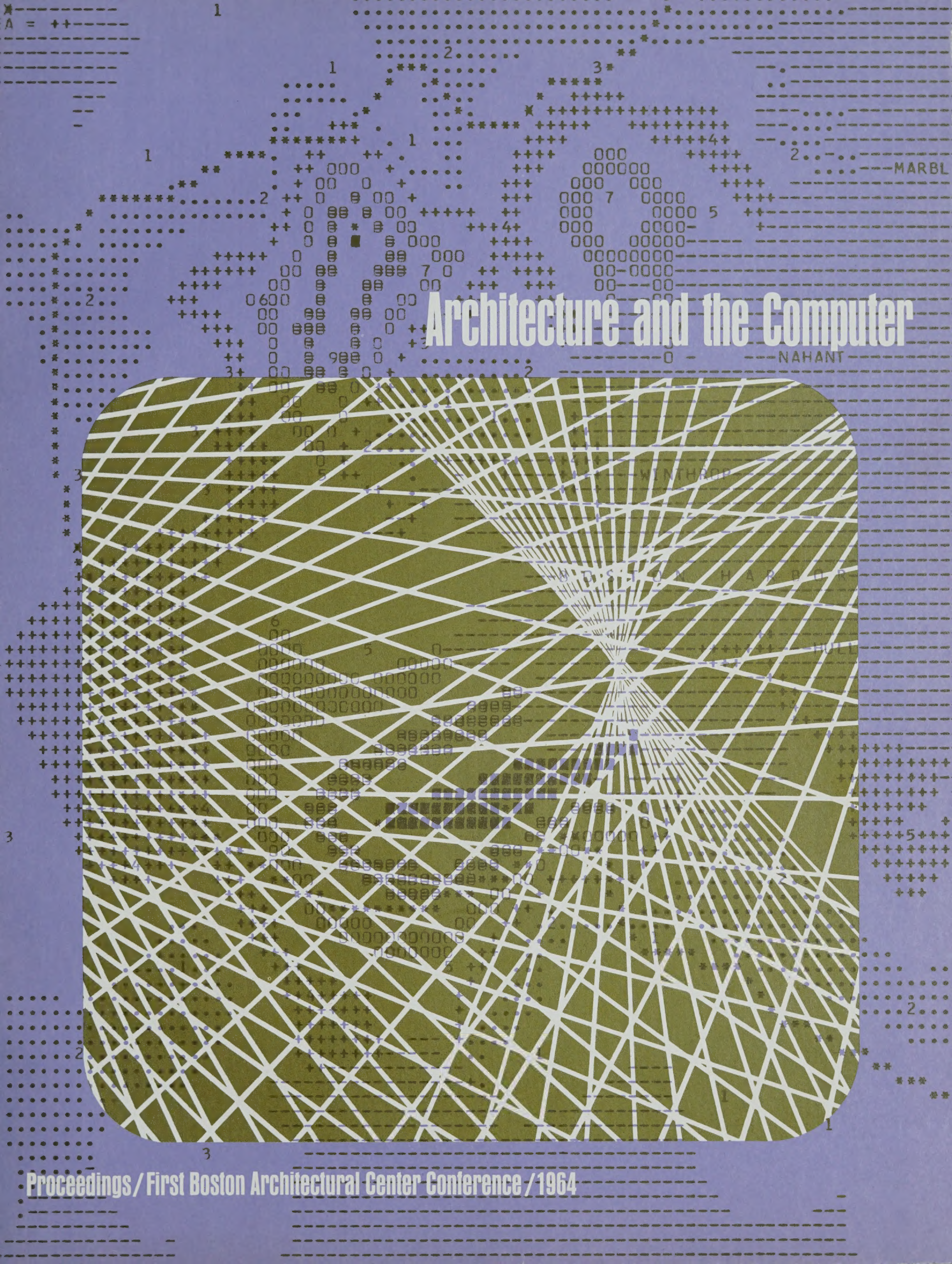
Boston Architectural Center, Architecture and the Computer: Proceedings of the First Boston Architectural Center Conference, December 5, 1964, pp. 33–36.
Fetter’s contemporary account of Boeing’s computer-graphics program. He dates Boeing’s first true perspective drawing to early 1960 and describes its IBM 7094, punched-card, film and plotter workflow, as well as its aircraft, cockpit and animation applications. The articulated Human Figure is not described.
Walter D. Bernhart and William A. Fetter, “Planar Illustration Method and Apparatus,” U.S. patent application serial no. 151,909, filed November 13, 1961.
Documents Boeing’s method for storing the three-dimensional coordinates and connecting lines of an object, calculating its projection from a selected viewpoint, and transmitting the result to a plotting machine.
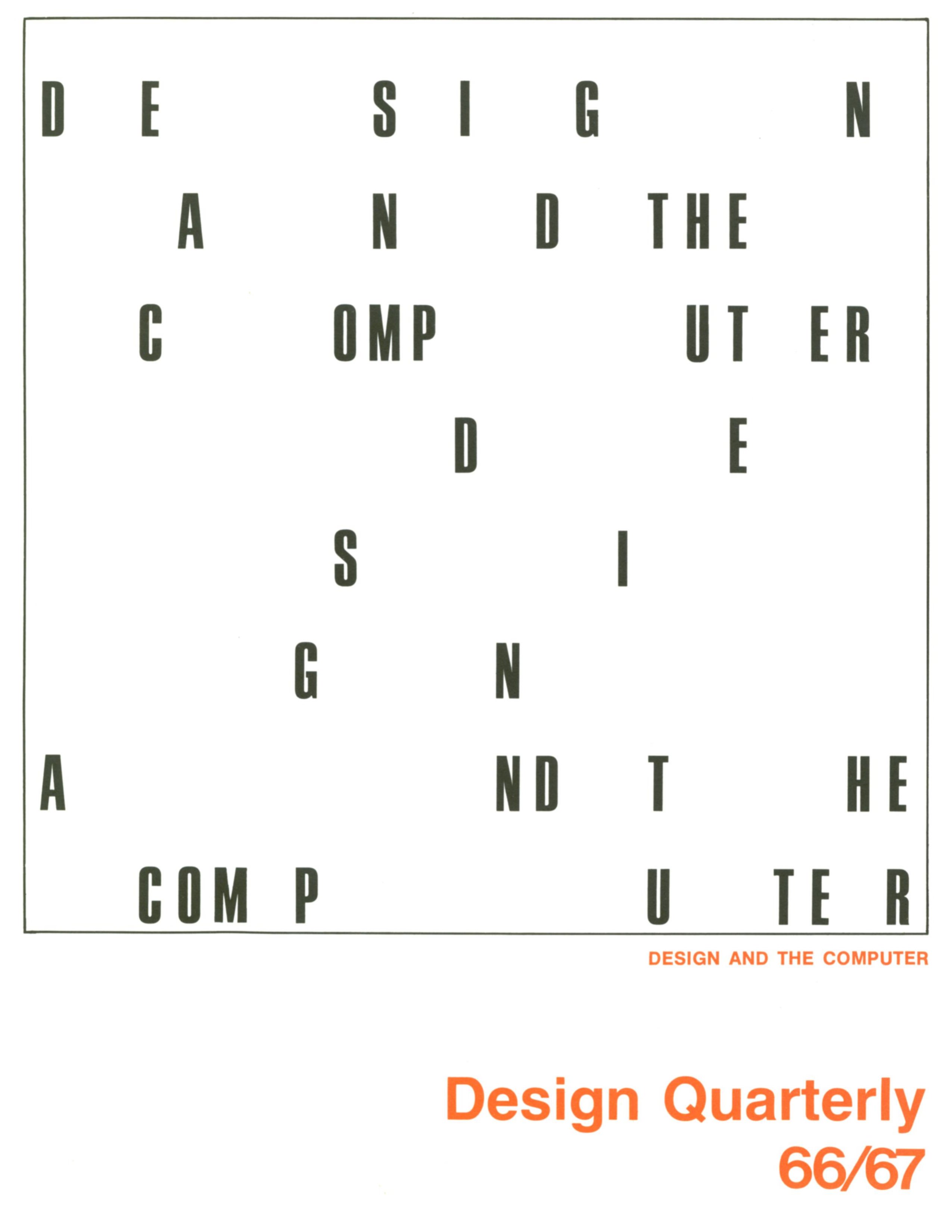
William A. Fetter, “Computer Graphics,” Design Quarterly, nos. 66/67, 1966, pp. 14–23.
The earliest securely dated public source located that unmistakably illustrates and describes the mature Human Figure. Fetter identifies it as an anthropometrically accurate fiftieth-percentile pilot composed of seven articulated systems.
Jasia Reichardt, ed., Cybernetic Serendipity: The Computer and the Arts, London, 1968. Primary exhibition publication documenting Fetter and the Boeing Computer Graphics work.
William Fetter, “Computer Graphics at Boeing,” Print, vol. 20, no. 6, November - December 1966. Fetter's own account of the development of computer graphics at Boeing. HistoryLink extensively cites and discusses this text.
Science Museum Group, William Fetter / Motif Editions collection records. Documents Fetter as the first creator of a 3D human model and catalogs the 1968 Motif lithograph.
Buffalo AKG Art Museum, Human Figure from the portfolio Cybernetic Serendipity, 1968, P2023:46.4. Museum comparator for title, medium, dimensions, date, and portfolio attribution.
The Boeing Company, William Fetter's Boeing Man. Boeing’s institutional archive credits Fetter with creating the first computer-drawn human figure, although the record identifies it only as a work of the 1960s and does not substantiate the commonly cited 1964 date.


Human Figure records one of the foundational achievements of early computer graphics. Under William Fetter’s direction, Boeing began using computers to calculate three-dimensional perspective drawings of aircraft and technical objects around 1960. Fetter described Boeing’s first true perspective drawing as having been produced in early 1960, and a patent application filed by Fetter and Walter Bernhart in November 1961 documents a system for storing three-dimensional coordinates, calculating views from different positions, and controlling a plotting machine.
Human Figure developed within this already established graphics program. It is traditionally dated 1964, but the surviving contemporary record does not establish that year as a public debut. In a presentation delivered in December 1964, Fetter discussed Boeing’s aircraft, cockpit-visibility and animated landing simulations but did not describe the articulated human model. The mature figure is first securely documented publicly in 1966, when Fetter illustrated and described it in Design Quarterly and Print.
The figure was based on U.S. Air Force anthropometric data and represented a fiftieth-percentile pilot through seven articulated body systems. It could be computationally repositioned to study reach, visibility, seating position, instrument placement and cockpit ergonomics before an expensive physical prototype was constructed.
Its breakthrough was not simply that a computer had drawn a person. Human forms had already appeared in other computer experiments. Fetter and the Boeing team instead created a three-dimensional mathematical body whose pose and projected appearance could be recalculated from different viewpoints. Widely regarded as the first articulated, anthropometrically based 3D computer model of the human body, it anticipated later digital characters, ergonomic simulation, computer animation, CAD, virtual reality and contemporary CGI.
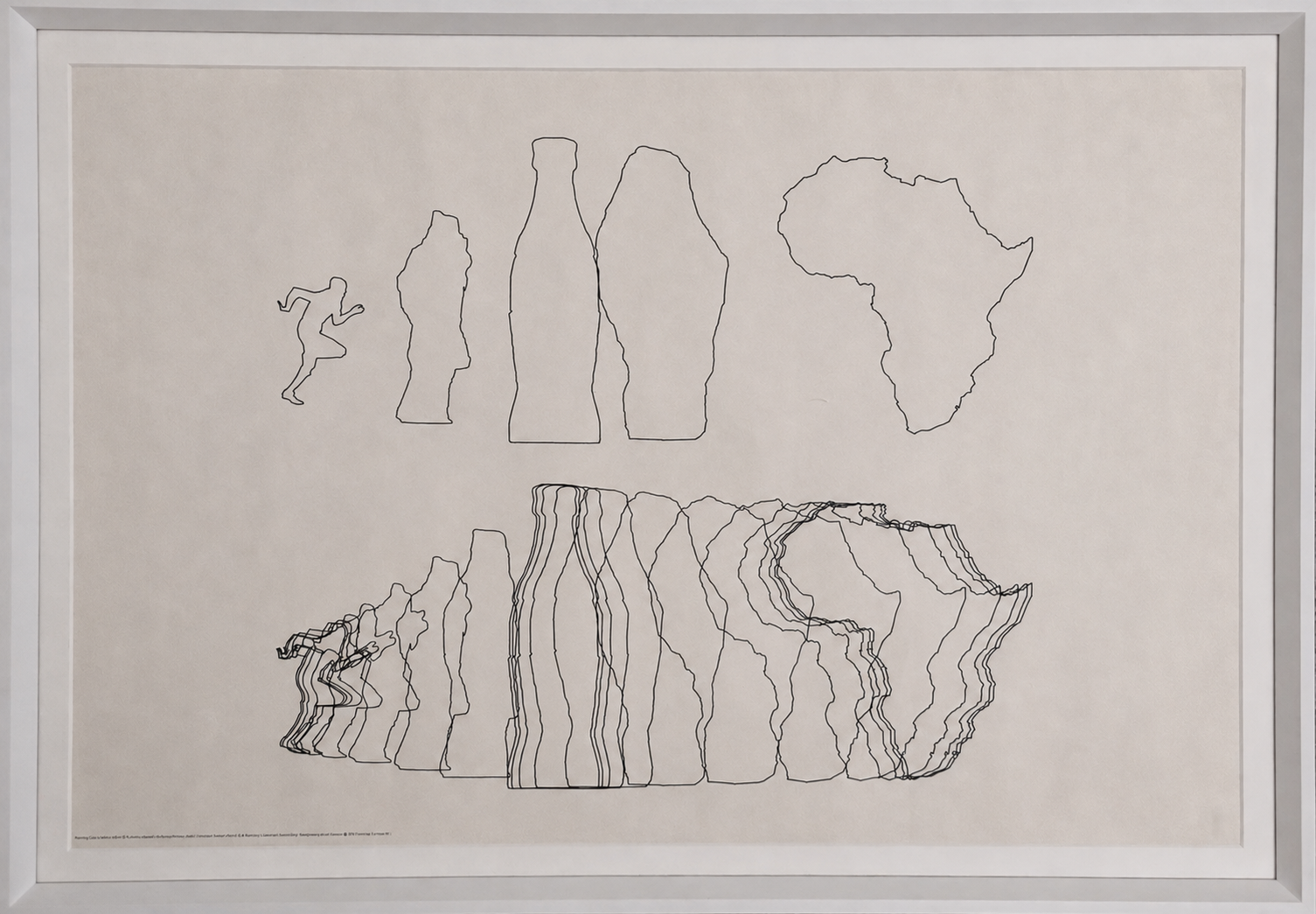
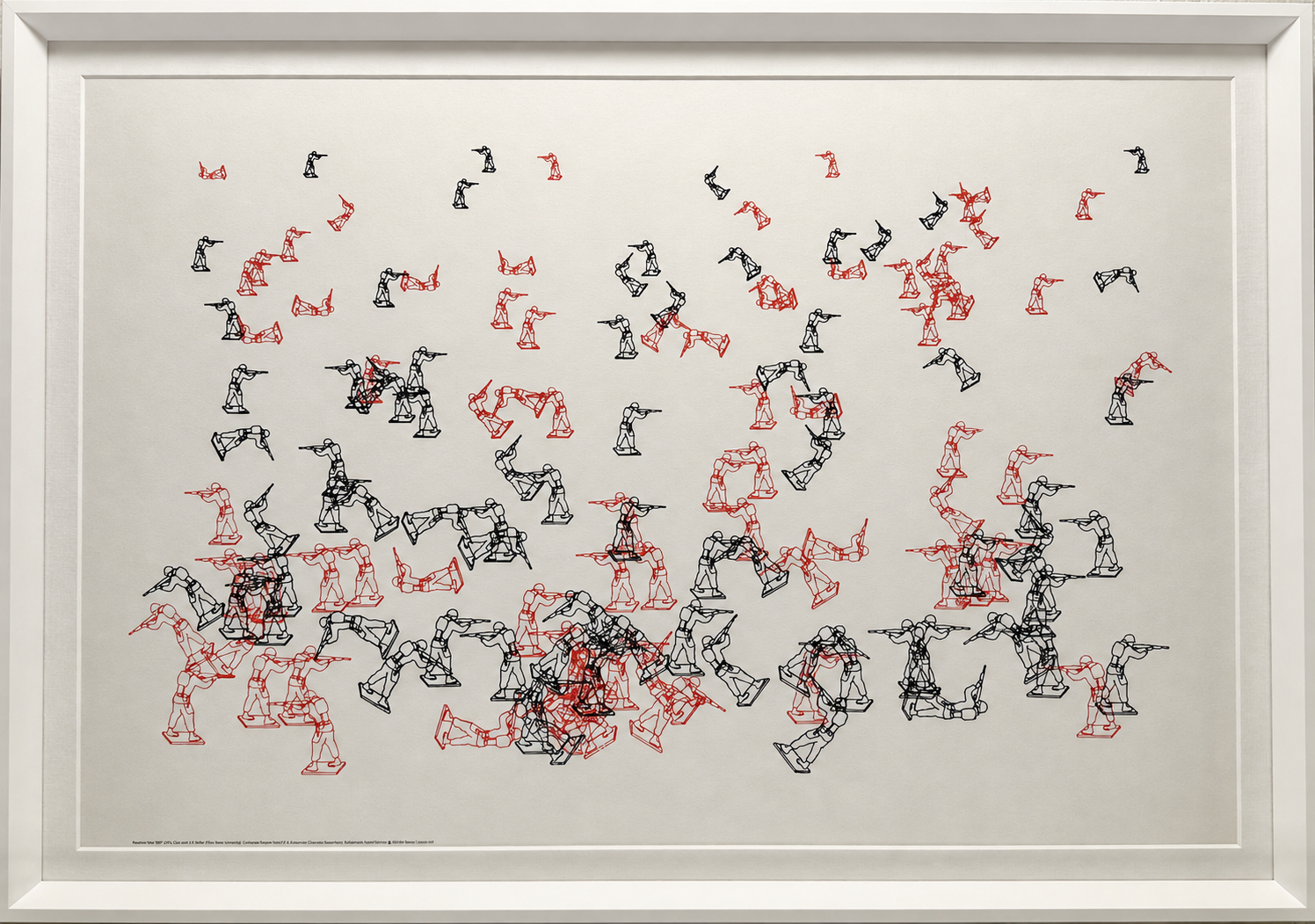
By 1968, Fetter's image had moved beyond its original engineering purpose. His computer graphics were included in Cybernetic Serendipity: The Computer and the Arts at London's Institute of Contemporary Arts, a landmark exhibition that brought together more than 130 artists, engineers, mathematicians, composers, and scientists exploring computers, cybernetics, and creative practice.
Motif Editions selected Human Figure for a portfolio of seven lithographs published in connection with the exhibition. Identified in the original portfolio material as Human Figure—Black, Motif Edition ME/02/4, it appeared alongside works by Computer Technique Group, Charles Csuri and James Shaffer, Maughan S. Mason, Donald K. Robbins, and Kerry Strand.
The physical work is therefore a lithographic translation of computer-generated imagery rather than a direct plotter output. That distinction is part of its importance. A computational model originally created inside Boeing's mainframe environment became a reproducible artwork that could circulate internationally, enter private and museum collections, and stand as an image of the emerging computer age.
Human Figure did not inaugurate three-dimensional computer graphics; it made the modeled human body one of the emerging field’s defining subjects and images.