

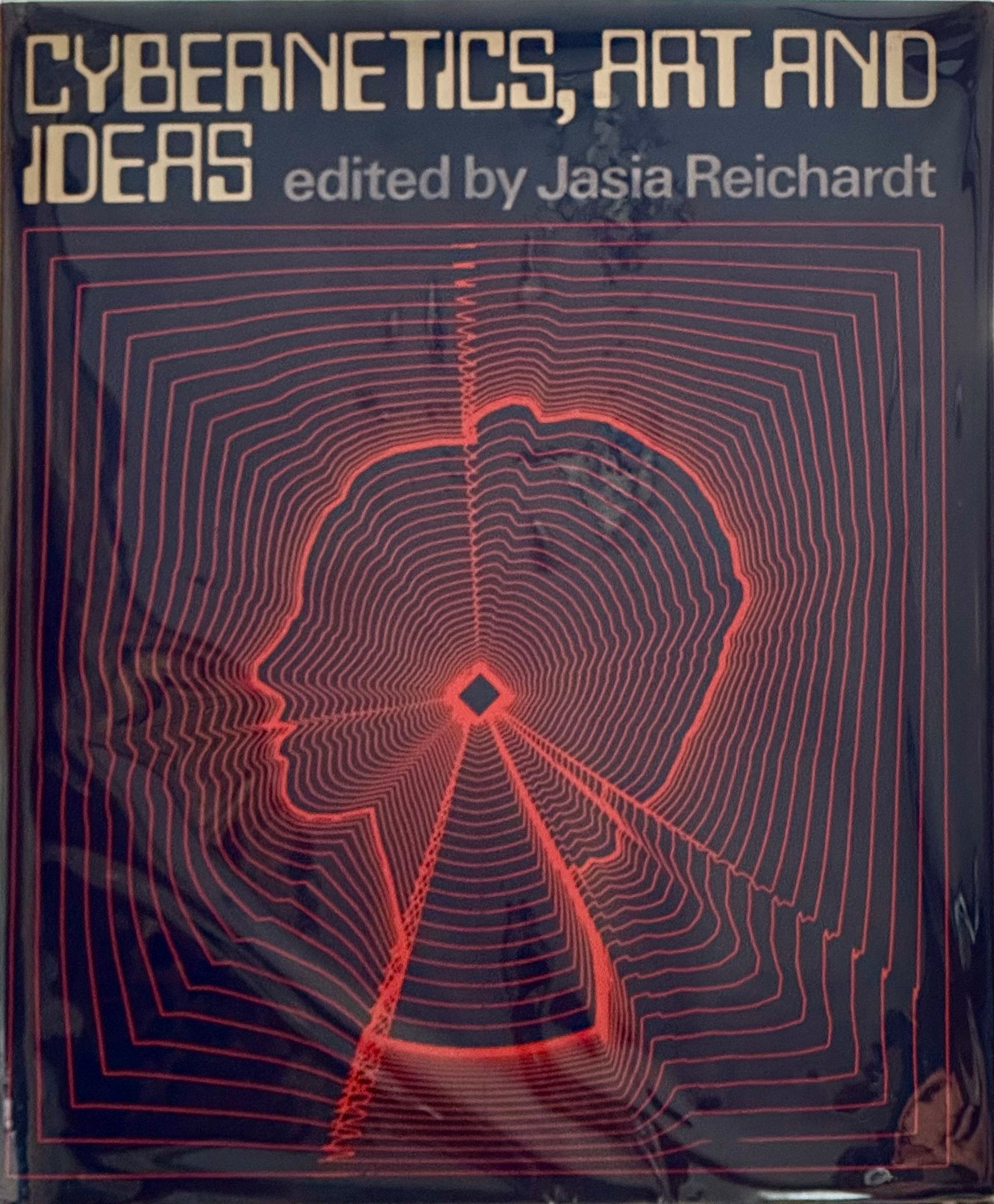
Book
Cybernetics, Art and Ideas
1971Cybernetics, Art and Ideas was edited by Jasia Reichardt after she curated the landmark 1968 exhibition Cybernetic Serendipity. Bringing together texts on generative aesthetics, computer graphics, algorithmic music, computer poetry and human-machine systems, the book also carries on its dust jacket Computer Technique Group’s Return to a Square (b) (1968).
- Author / editor
- Jasia Reichardt, editor
- Publisher
- New York Graphic Society
Greenwich, Connecticut, United States - Format
- Hardcover with original dust jacket
- Pages
- 207
- Language
- English
- Edition
- First edition, New York Graphic Society, 1971
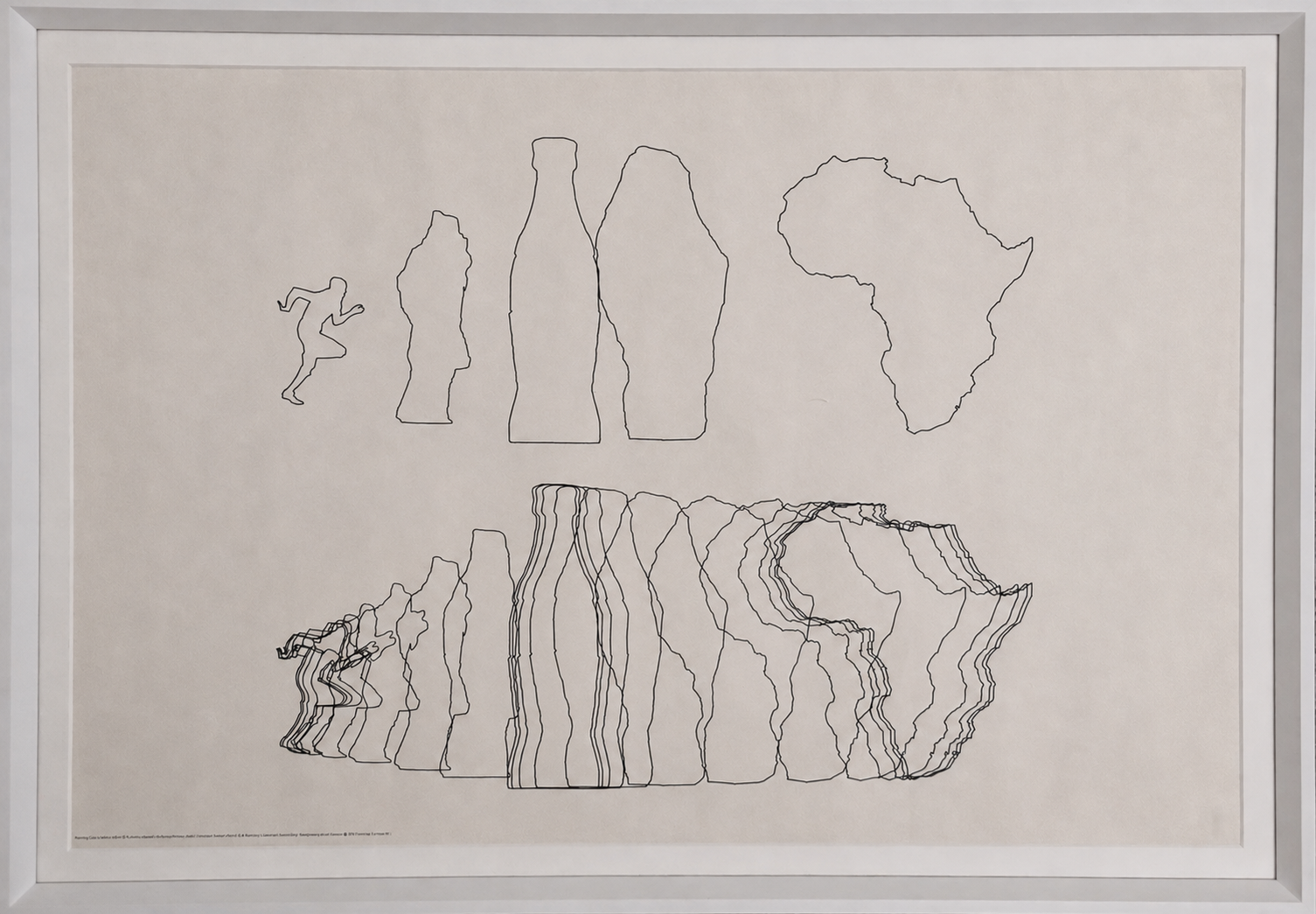
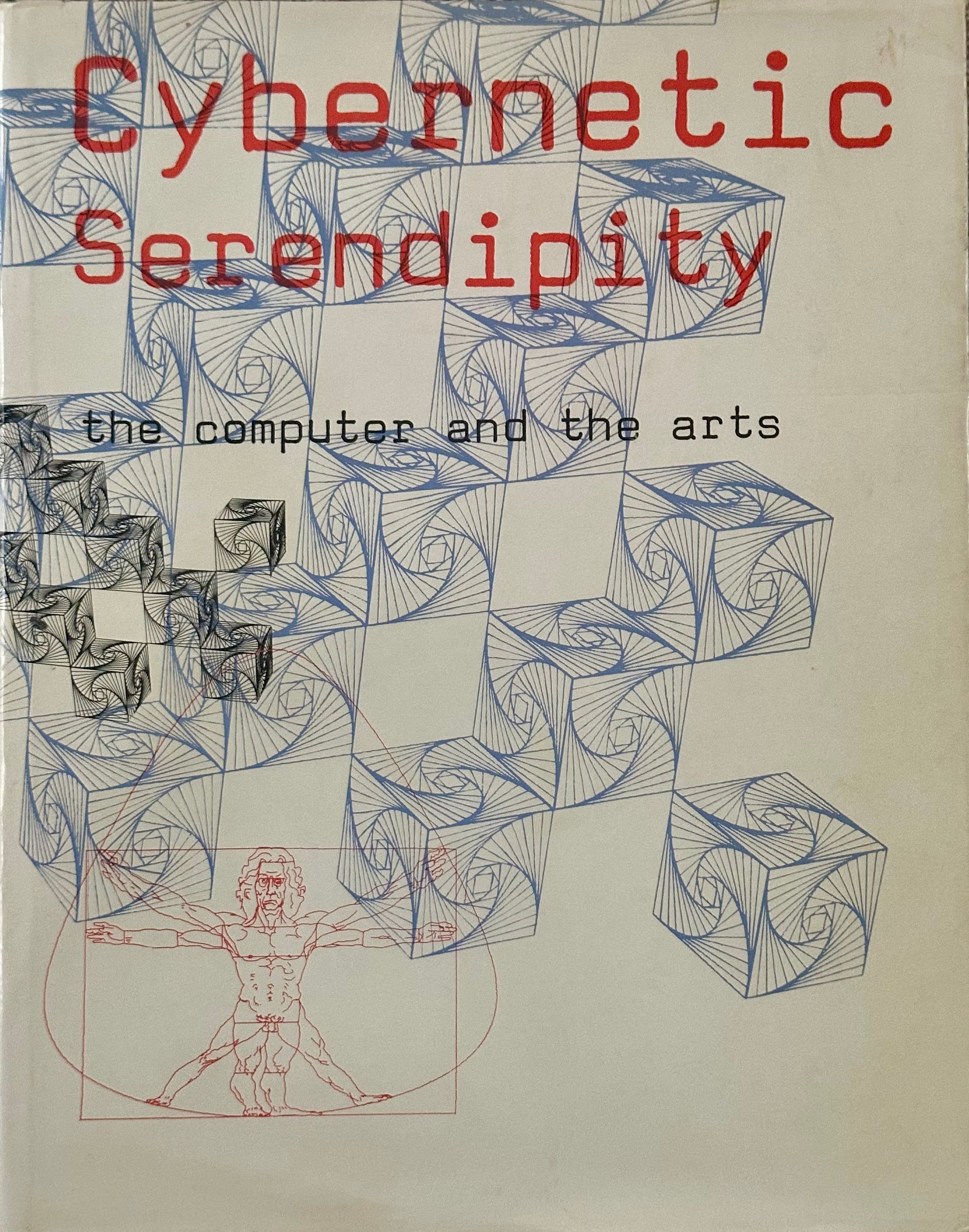
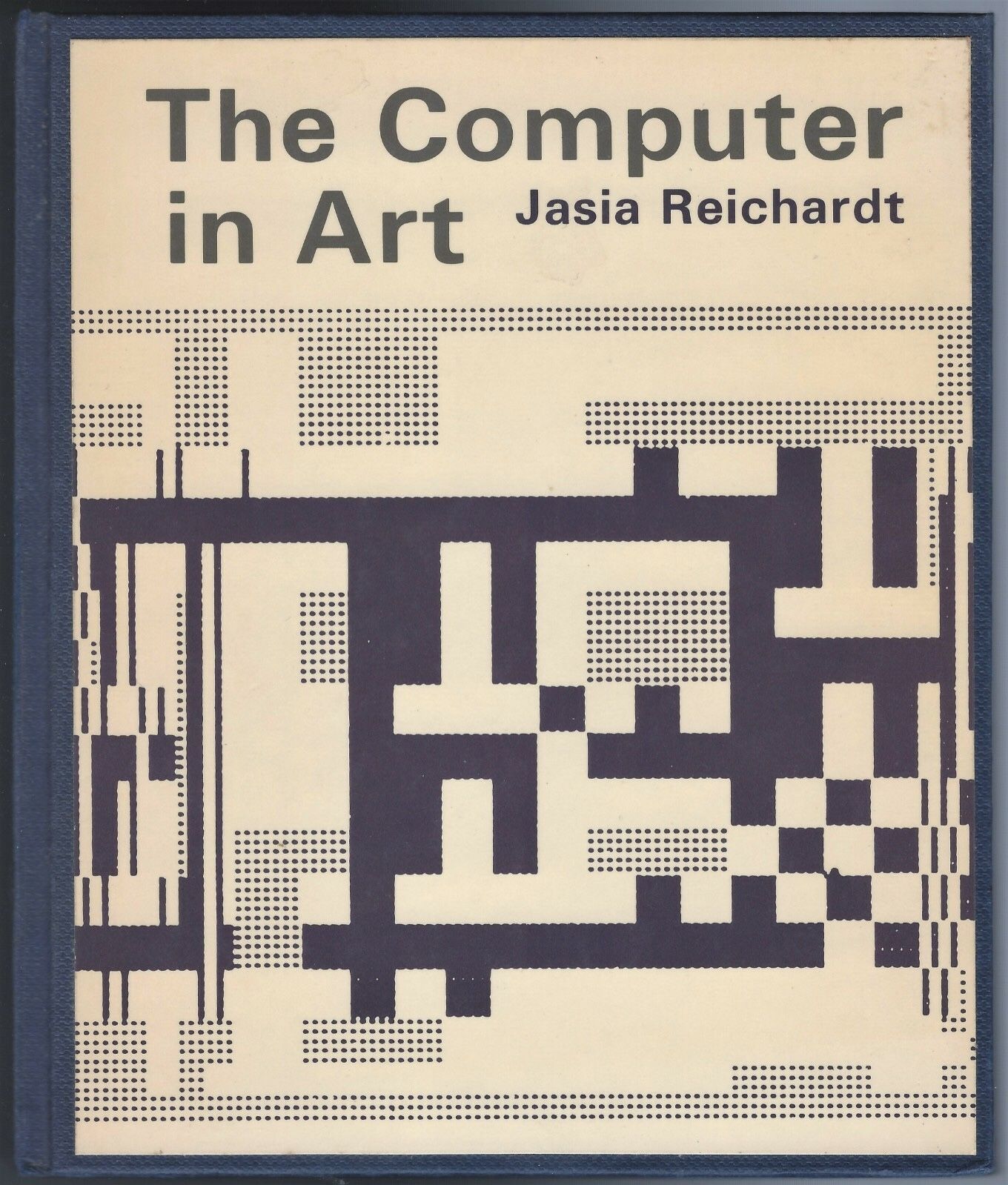
Published in 1971, Cybernetics, Art and Ideas grew directly out of the intellectual network Jasia Reichardt assembled while organizing Cybernetic Serendipity at the Institute of Contemporary Arts in London in 1968. Reichardt described the volume as the result of contacts and collaborations established during the three years spent preparing the exhibition.
Rather than treating the computer simply as a new tool for producing images, the contributors consider computation as a medium for generating structures, composing music, manipulating language, introducing controlled randomness and creating responsive systems.
Several essays became important reference points for later digital and generative art. Max Bense discusses the emerging field of generative aesthetics; A. Michael Noll considers the digital computer as a creative medium; Leslie Mezei examines randomness in computer graphics; and Margaret Masterman describes experiments in computer-generated haiku. The essays capture a moment when computer art, generative systems, artificial intelligence, electronic literature and interactive art had not yet separated into distinct disciplines.
CTG on the cover
CTG had participated in Cybernetic Serendipity, where the Japanese collective presented some of the period’s most distinctive figurative computer graphics. By selecting Return to a Square for the cover of this subsequent anthology, Reichardt gave CTG’s image an unusually prominent role in the visual identity of early computer culture.
CONTENTS