

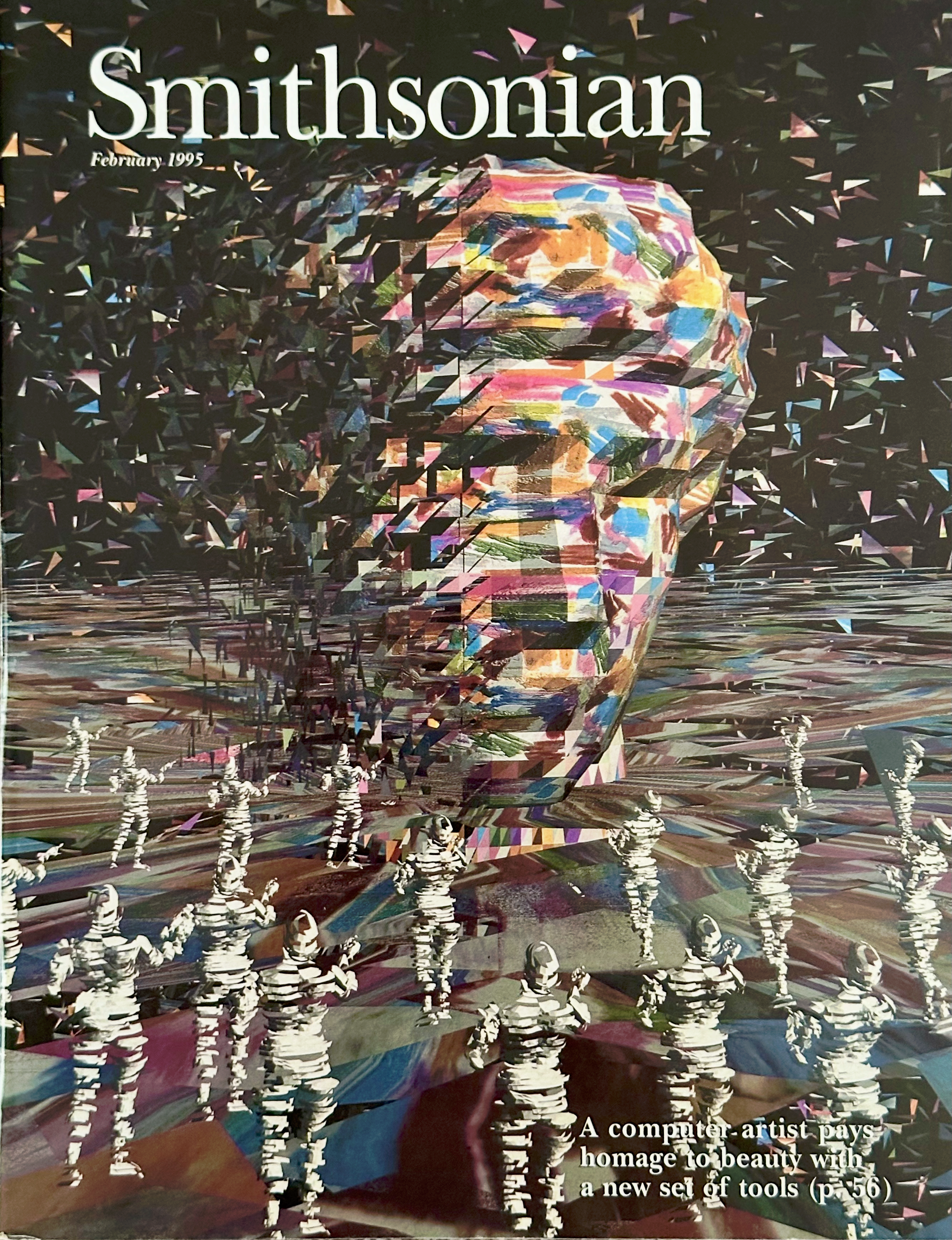
01 / 05Cover of Smithsonian, vol. 25, no. 11, February 1995, featuring computer imagery by Charles Csuri and announcing Paul Trachtman’s cover feature, “Charles Csuri Is an ‘Old Master’ in a New Medium.”
Open full-size image ↗Magazine or periodical
Smithsonian, February 1995: Charles Csuri Is an “Old Master” in a New Medium
1995Smithsonian cover profile of Charles Csuri, featuring Homage to the Muse (1990) and revealing that his thinking about computers in art and aesthetics began in the mid-1950s, nearly a decade before his first computer artworks.
- Author / editor
- Paul Trachtman
- Publisher
- Smithsonian Institution
Washington DC, USA - Format
- Illustrated monthly magazine, softcover
- Pages
- 132
- Language
- English
- Edition
- Vol. 25, no. 11, February 1995
Related in the collection
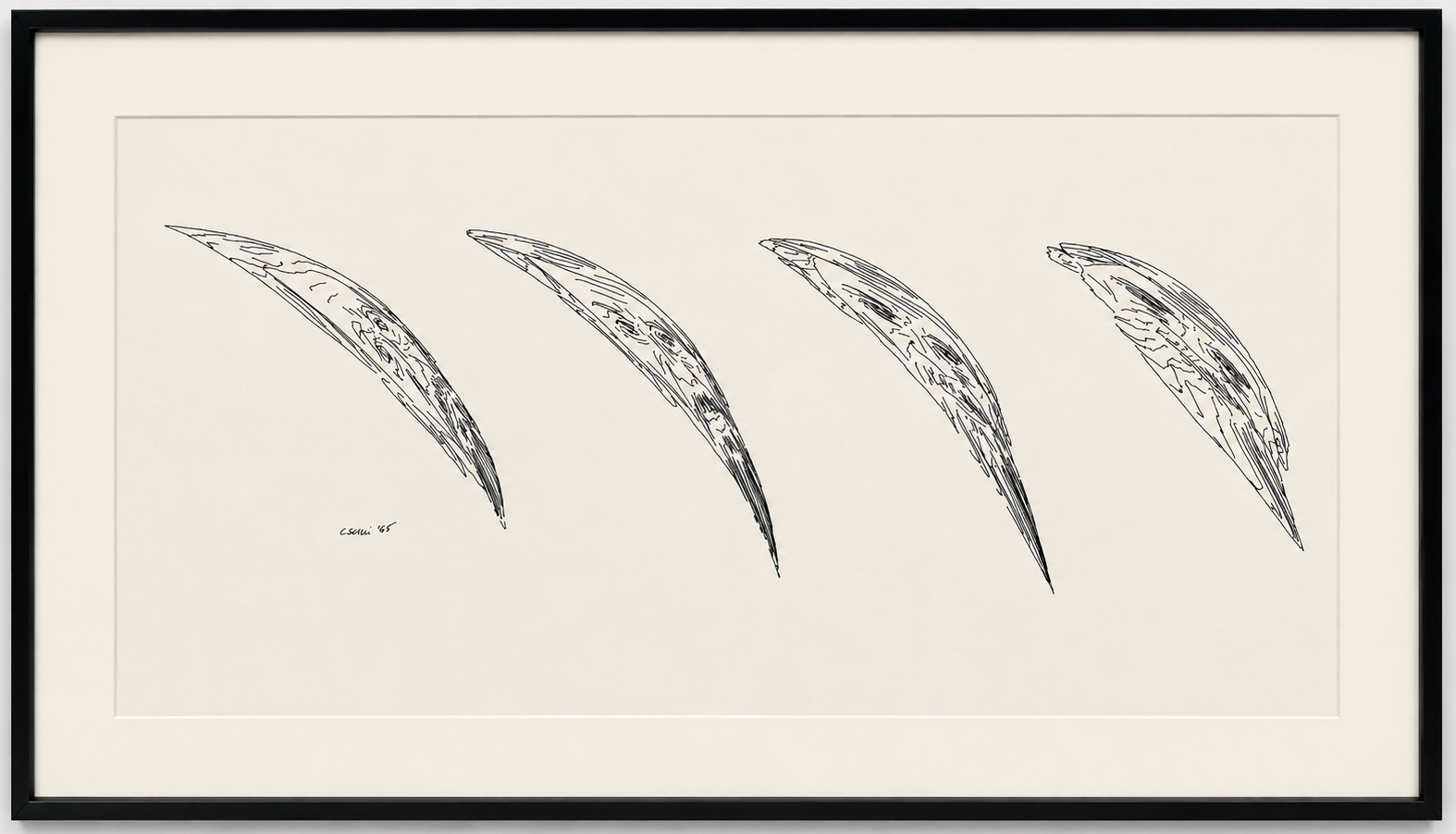
Charles Csuri, 1965
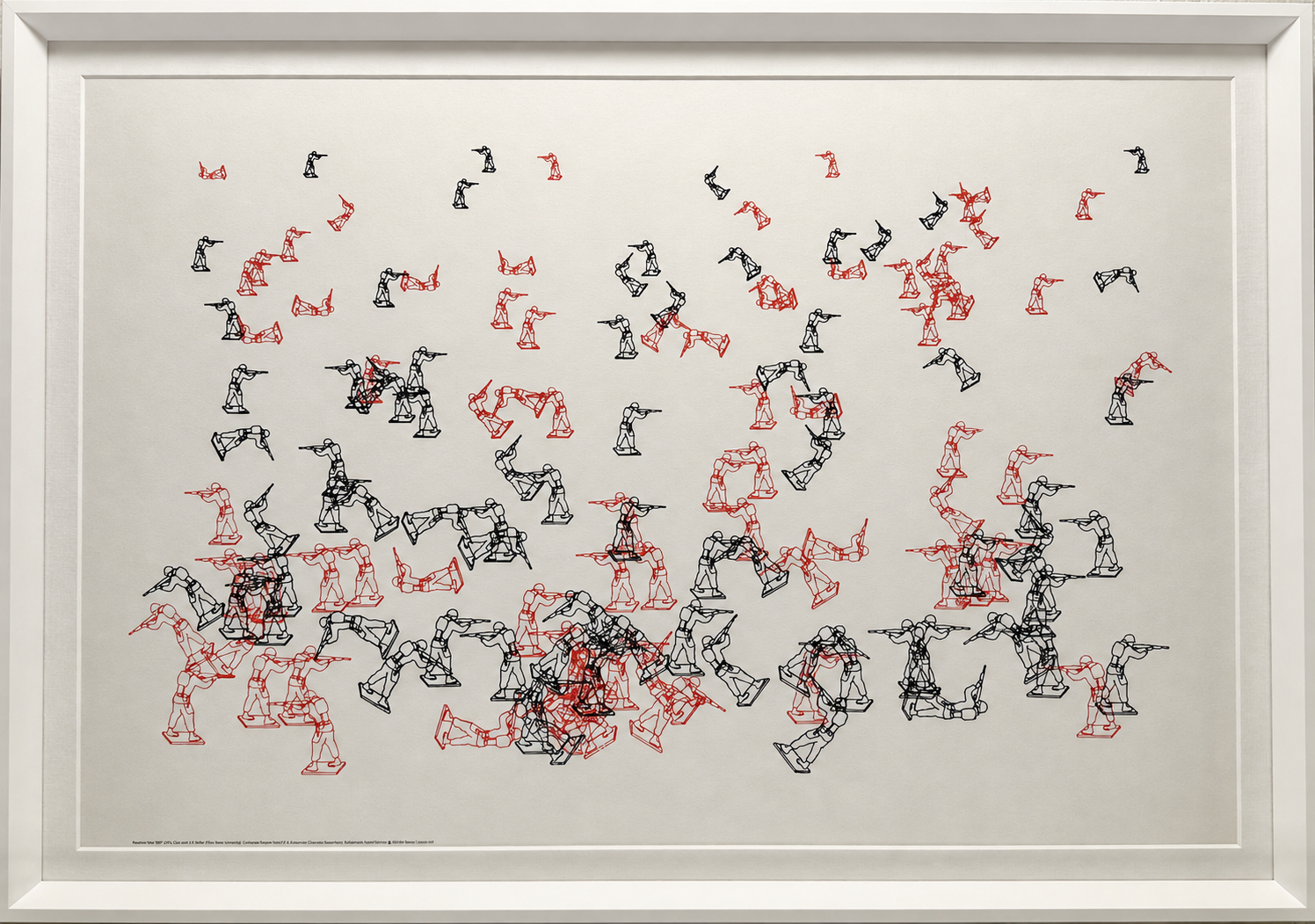
Charles Csuri, 1967
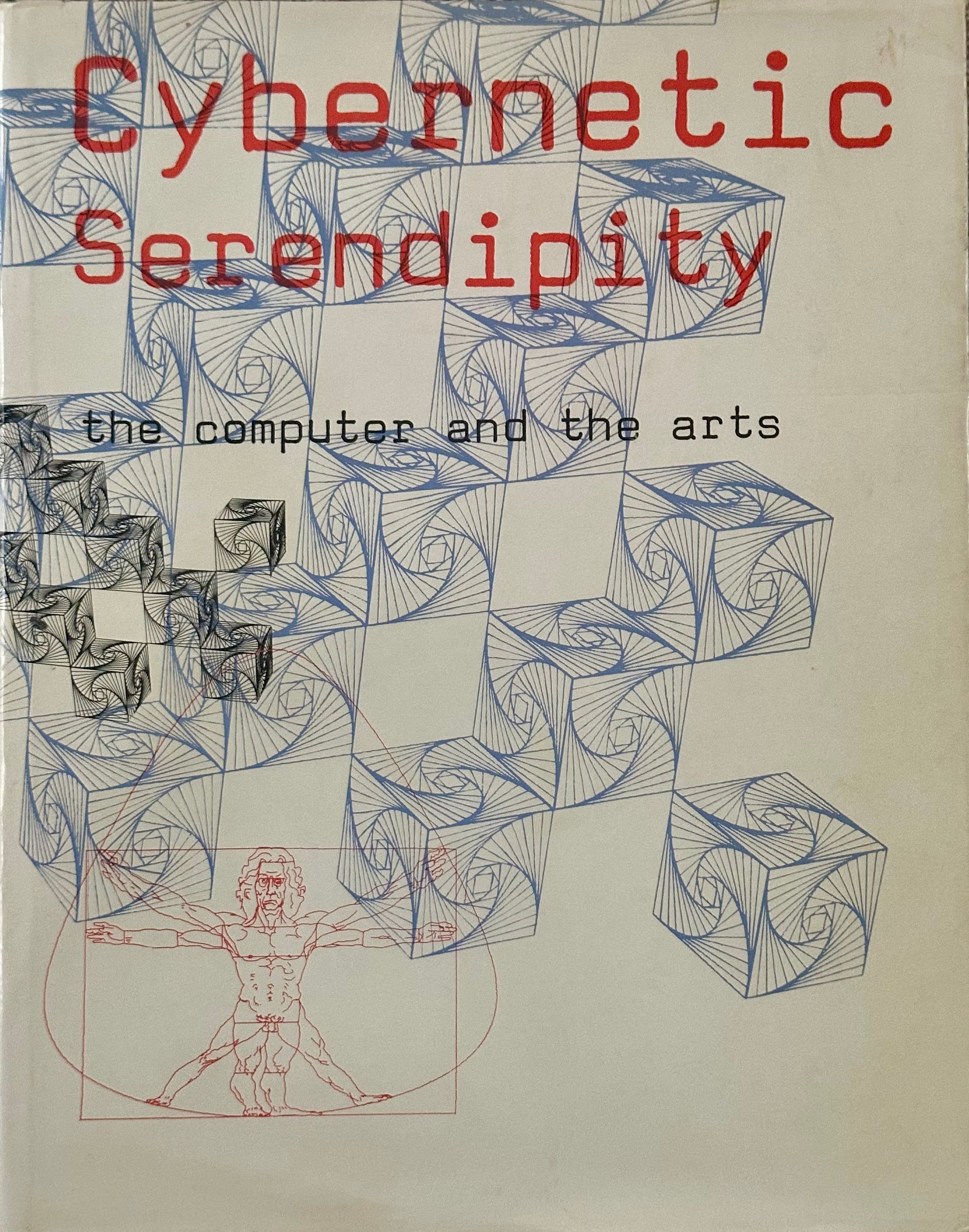
Jasia Reichardt, editor. Franciszka Themerson, design & layout., 1968
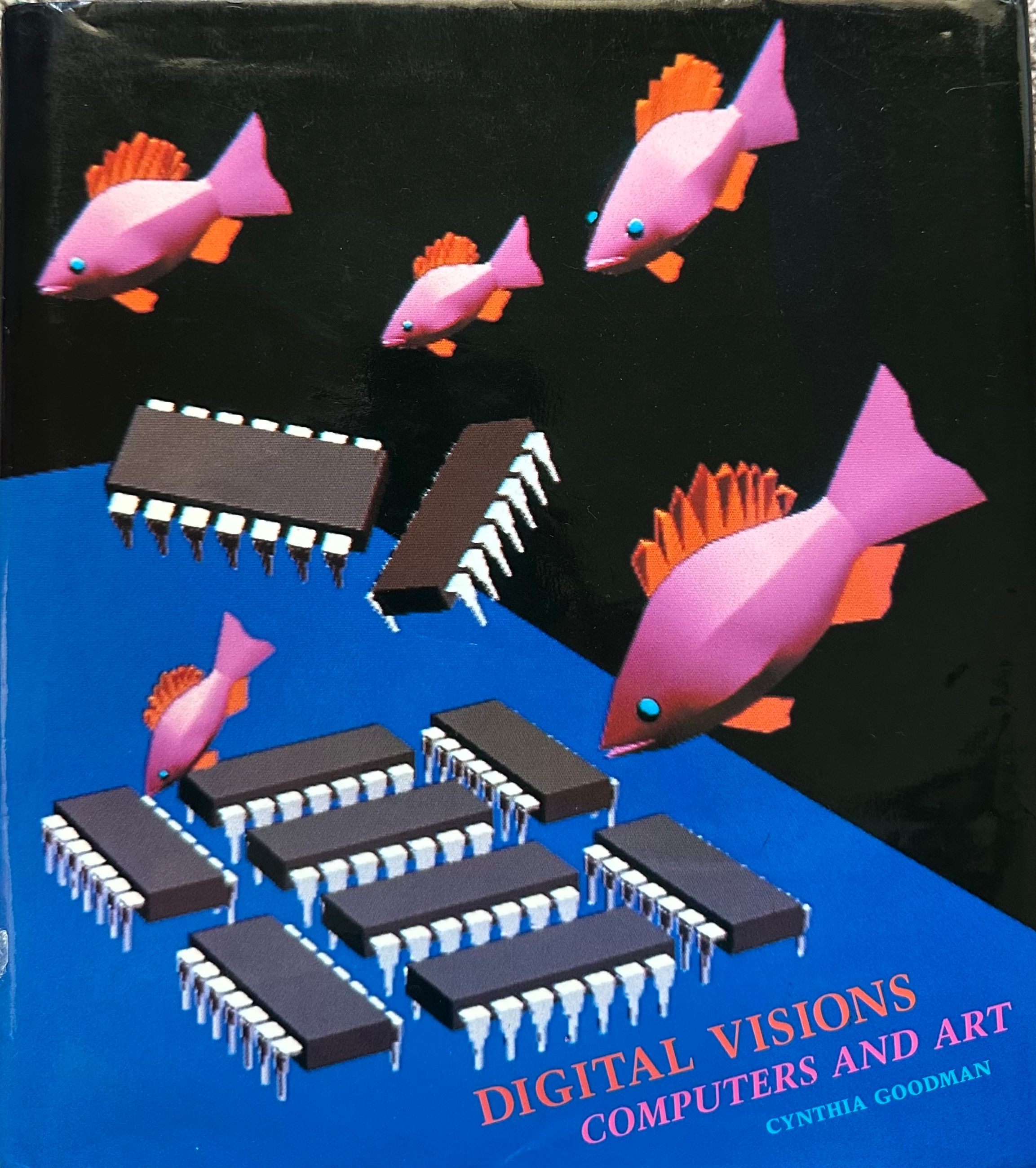
Cynthia Goodman, 1987
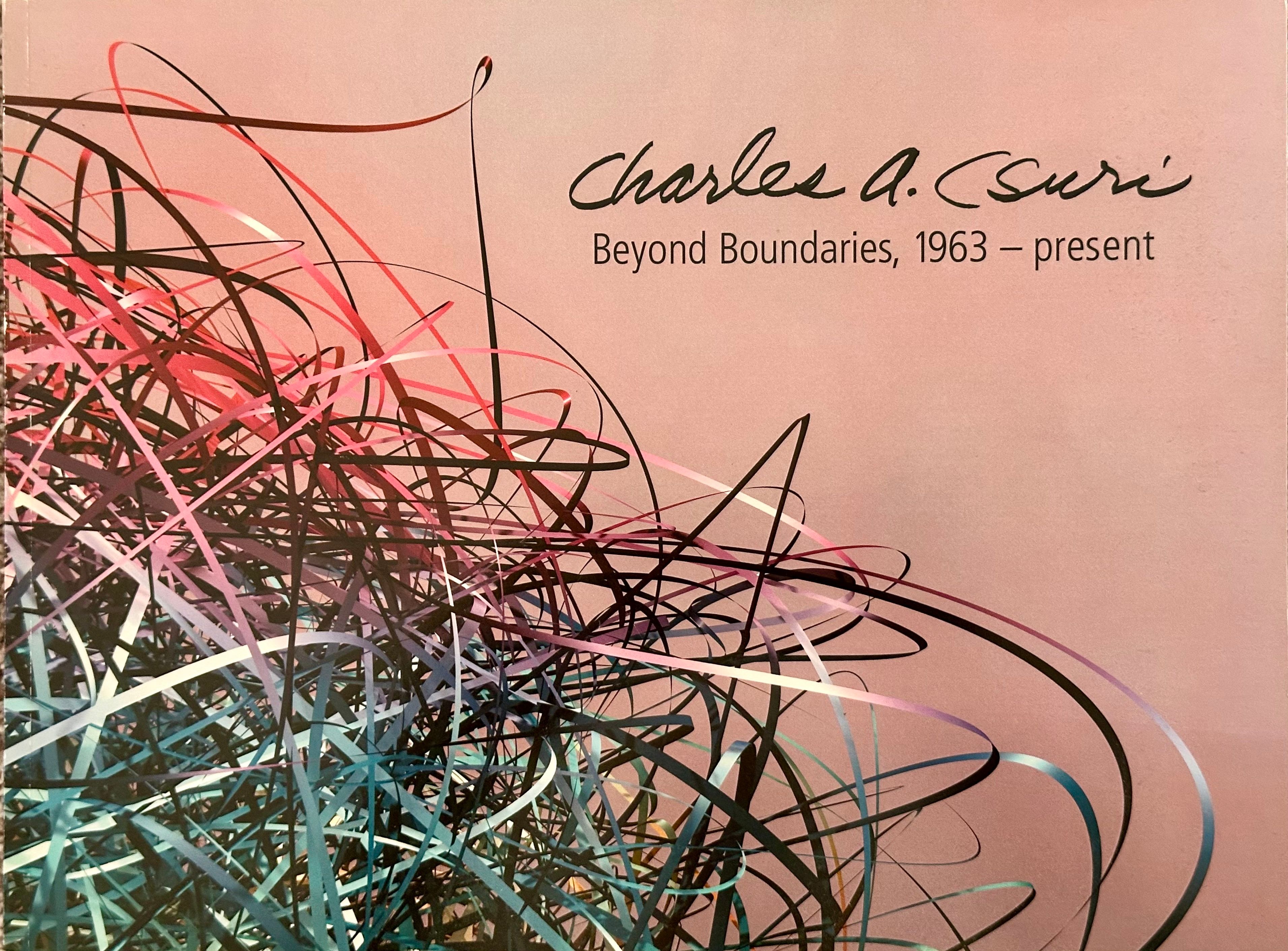
Janice M. Glowski, editor, 2006
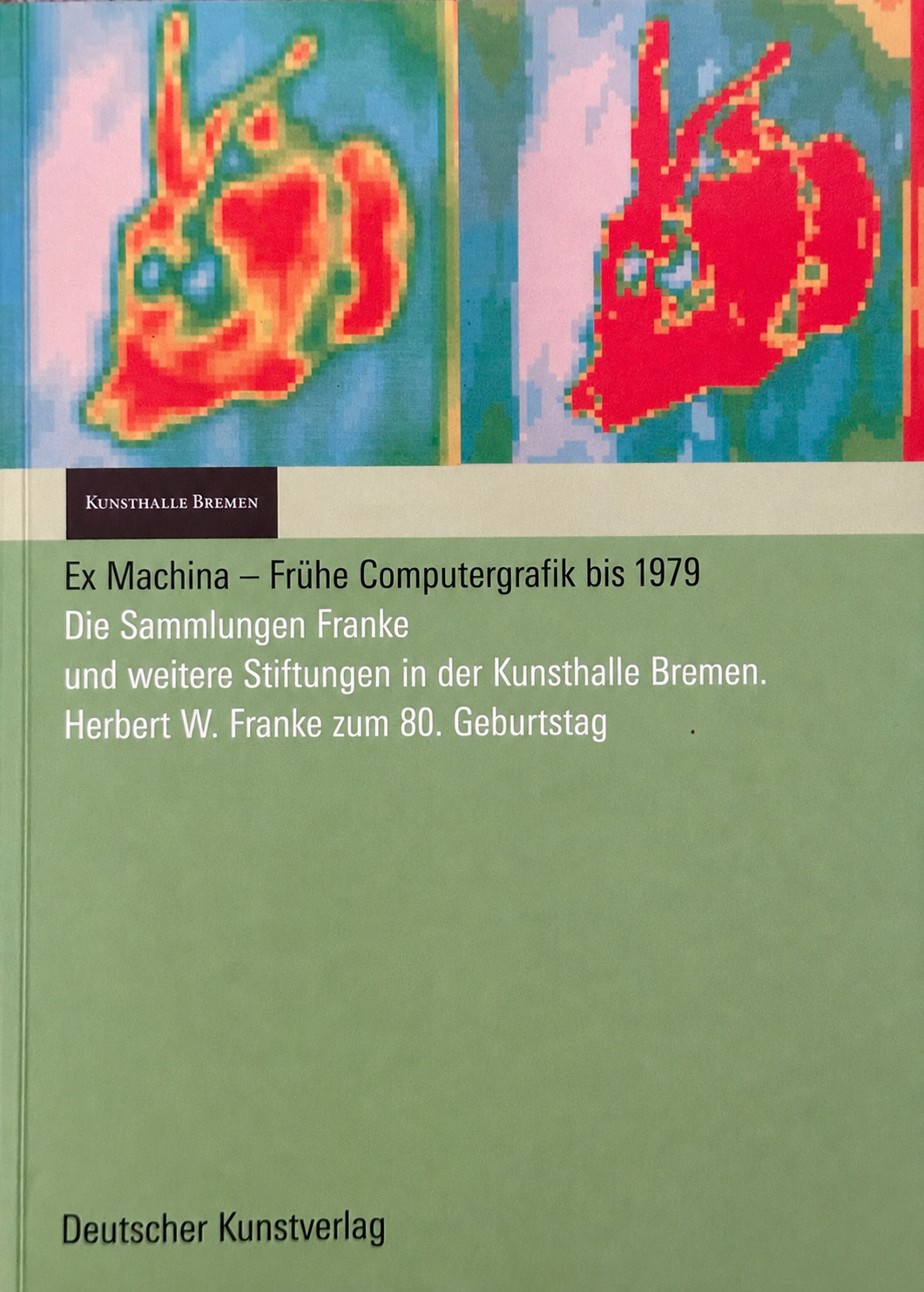
Wulf Herzogenrath and Barbara Nierhoff-Wielk, editors, 2007
In February 1995, Smithsonian devoted its cover and a ten-page feature article to Charles Csuri, presenting him to a broad national readership as an “Old Master” of computer art. The cover reproduces his computer artwork Homage to the Muse(1990), whose fragmented head and procession of figures embody what the magazine described as Csuri’s recurring concern with mystery, symbol, ritual, and the search for guidance in expressing the human spirit. Created over approximately 70 hours at a high-performance workstation, the image demonstrates how Csuri joined traditional artistic ambition to a command of geometry and computer-graphics syntax.
Paul Trachtman presents Csuri as perhaps the nearest equivalent to an Old Master in the still-young field of computer art, tracing his development from a traditionally trained painter to an artist who learned programming, worked with mainframe computers and helped establish computer graphics as both an artistic medium and a field of interdisciplinary research at Ohio State University.
The article contains an unusually early account of Csuri’s interest in computation. Trachtman writes that in the mid-1950s Csuri and an engineer friend were already holding philosophical conversations about computers and their possibilities. They considered whether a computer might be programmed to produce art criticism or formulate new theories of aesthetics. This was almost a decade before Csuri began making computational art in 1964.
The profile also places Csuri’s technological work within his earlier career as a painter and his continuing commitment to art history, beauty and aesthetic judgment. Its cover treatment represents a rare moment when a major general-interest American magazine presented a computer artist and computer-generated imagery to a national readership as a subject of serious art.
External links