
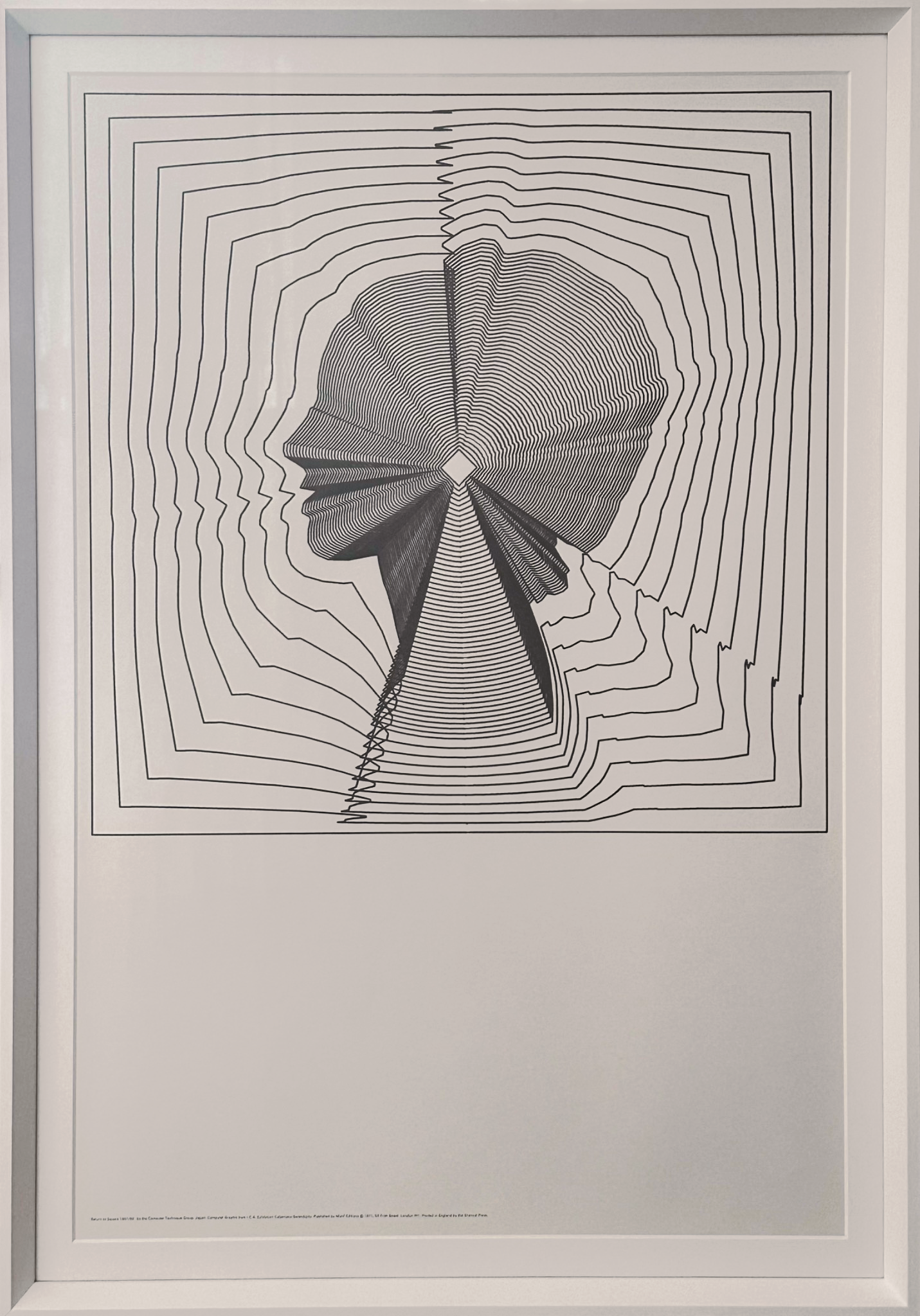
CTG transformed a square into the profile of a woman and back into a square. Masao Komura traced the profile from a Vogue advertisement, and Kunio Yamanaka programmed the sequence. Motif Editions published this lithograph for Cybernetic Serendipity in London in 1968.
Provenance
Examples of Return to Square (a) in lithographic form are held by the Victoria and Albert Museum, Buffalo AKG Art Museum, Science Museum Group, ZKM | Center for Art and Media Karlsruhe, Anne and Michael Spalter Digital Art Collection, and Ragnar Digital.
Exhibitions
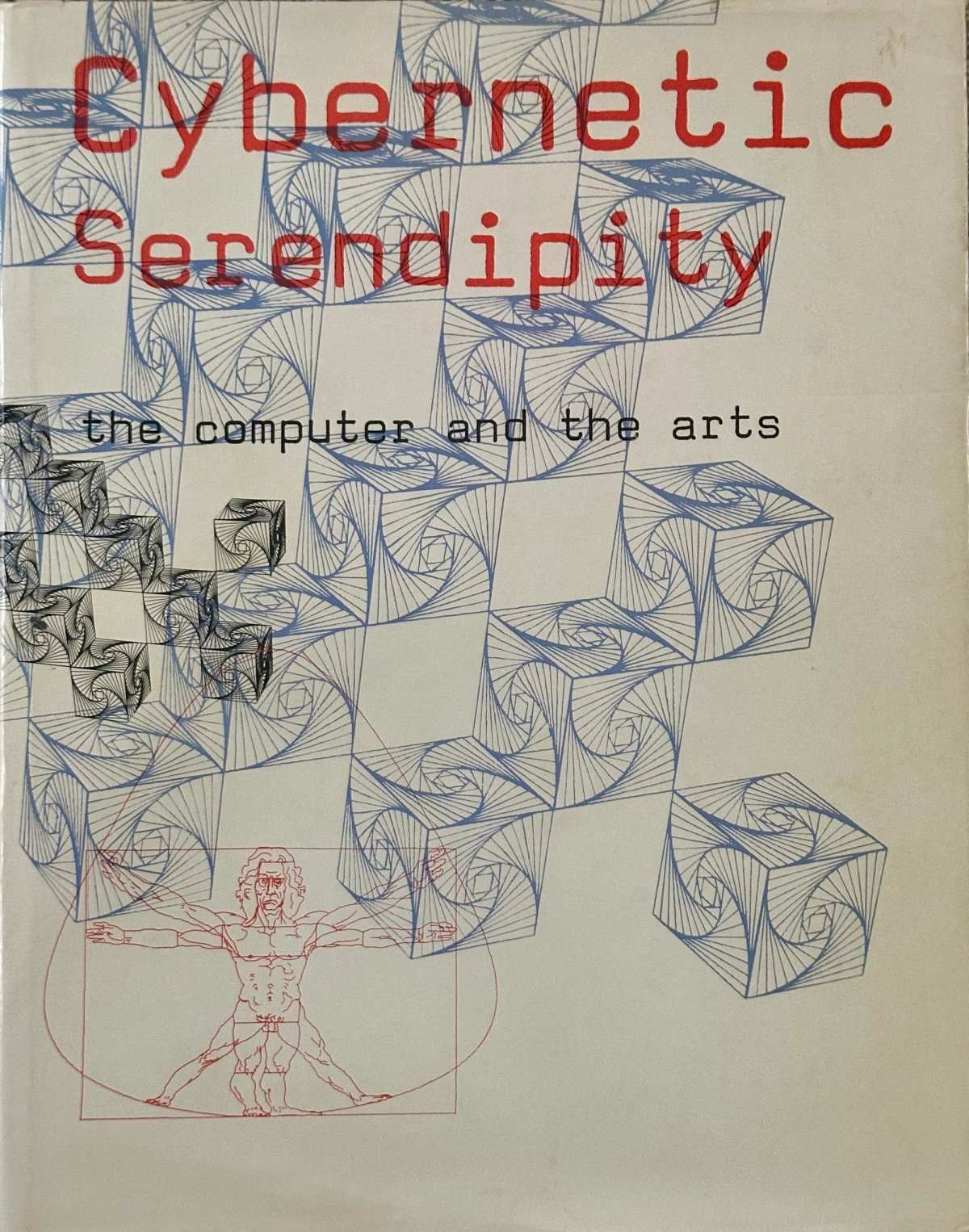
Cybernetic Serendipity, Institute of Contemporary Arts, London, 2 August–20 October 1968. The exhibition catalogue included both versions of the design. Motif Editions issued the lithograph for the exhibition.
References
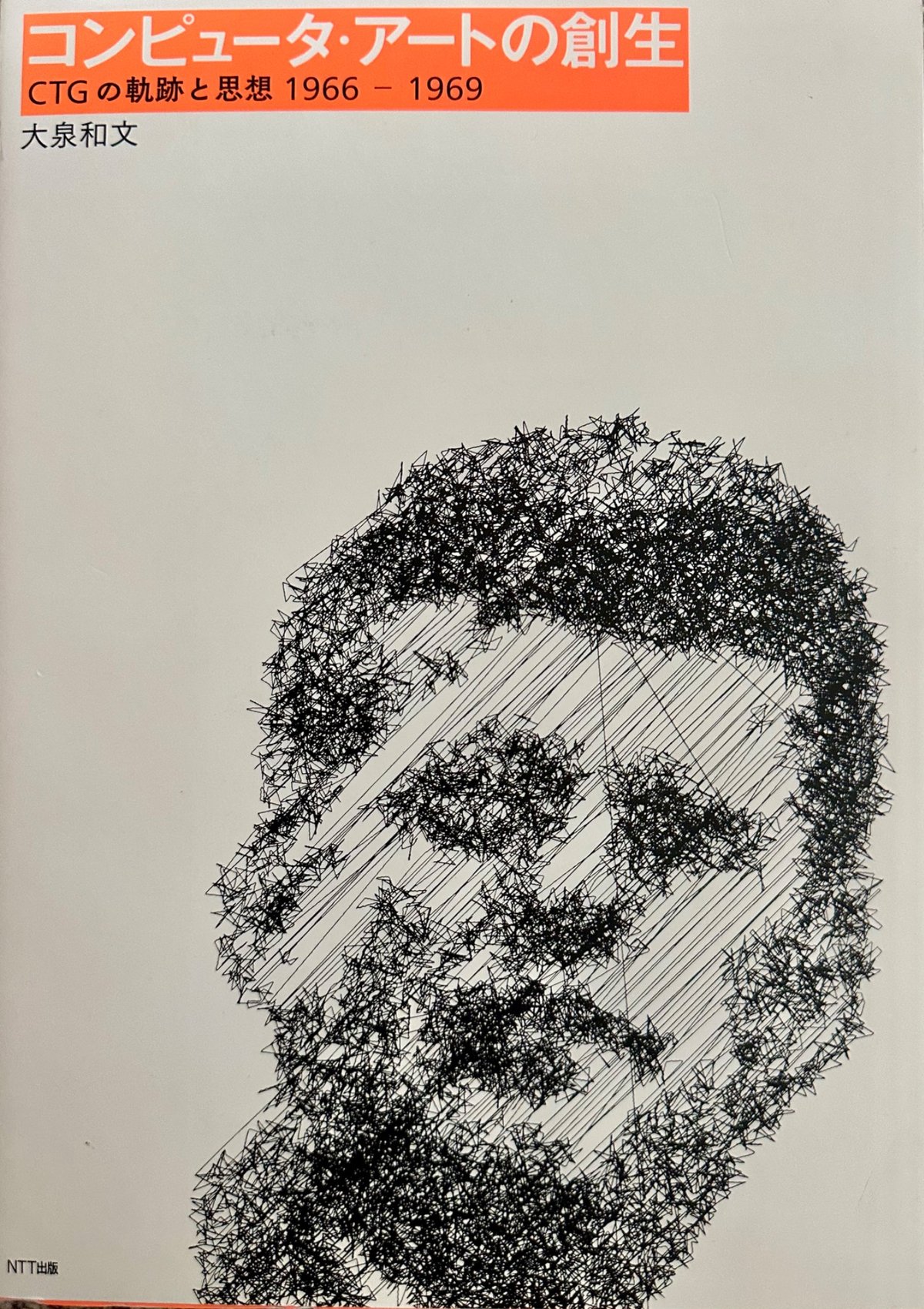
Kazufumi Ōizumi, コンピュータ・アートの創生:CTGの軌跡と思想 1966–1969 (NTT Publishing, 2015). Figures 2-9-16 and 2-9-17 show the pair. Appendix E, pp. 354–355, distinguishes the designs, screenprints and poster variants and identifies Komura and Yamanaka.
CTG and Masao Kohmura, “Algorithms in CTG Computer Art,” in 20th Century Computer Art: Beginnings and Developments (Tama Art University, 2006), pp. 142–143. The artists describe tracing the Vogue silhouette and calculating the intermediate contours.

Masao Komura took the profile from an advertisement in Vogue. In the account credited to CTG and Komura in the 2006 Tama Art University catalogue, the group recorded the silhouette as roughly 200 points. Yamanaka’s program calculated intermediate contours between the profile and the squares on either side of it. The plotter drew every stage on the same sheet. Where the lines crowd together at the lips and under the chin, the face becomes legible through the accumulation of small changes.
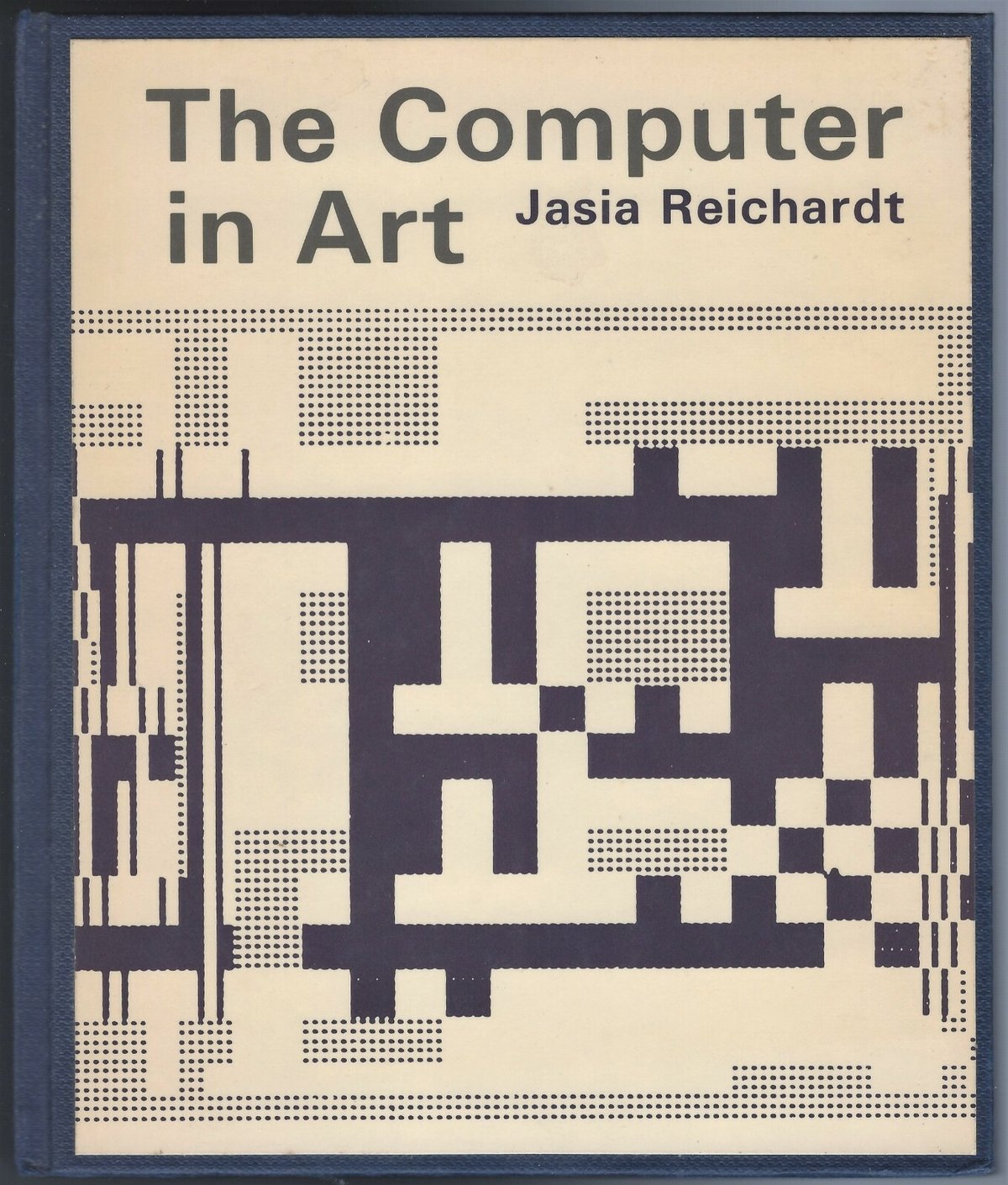
Kazufumi Ōizumi describes Return to a square as a pair conceived to be seen together. In version (a), reproduced here, corresponding points advance in equal steps along each part of the transition. Version (b) changes the spacing according to a geometric progression. Jasia Reichardt reproduced the two side by side on page 83 of The Computer in Art. The comparison makes visible a choice the artists could express in a few lines of mathematics.
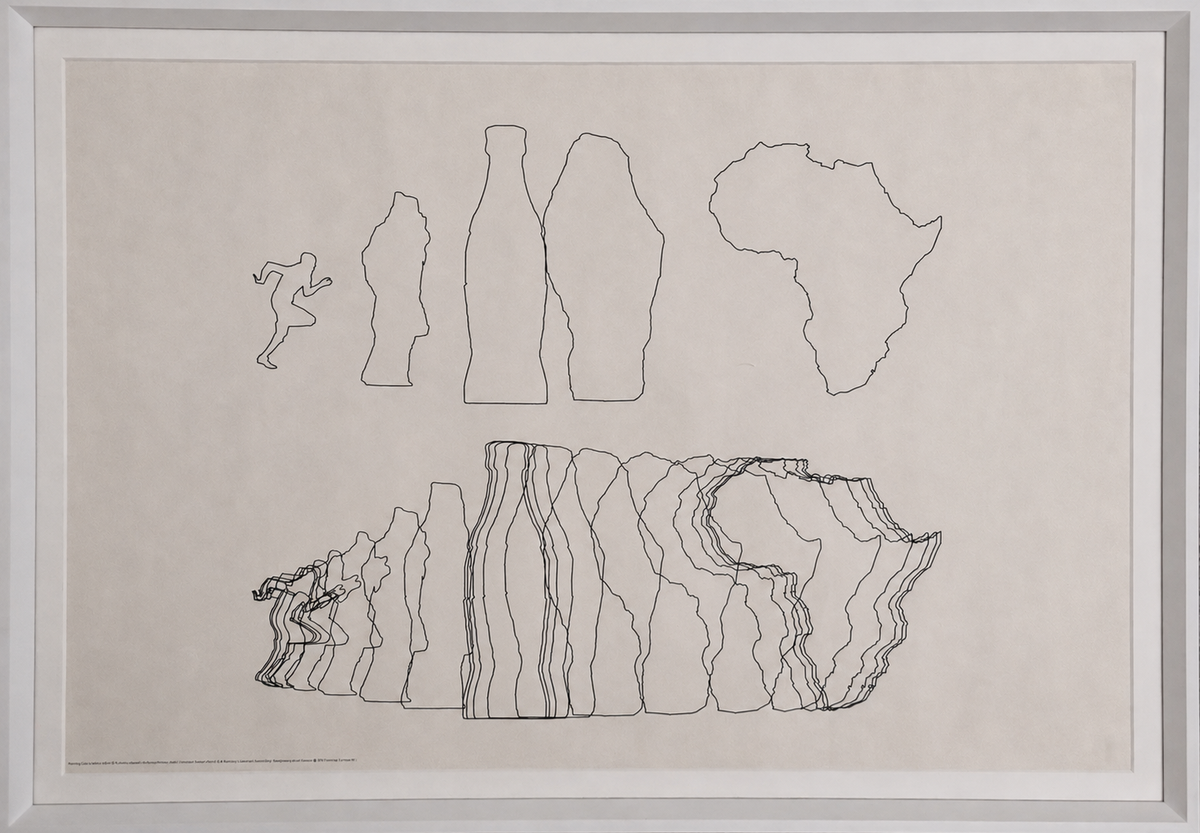
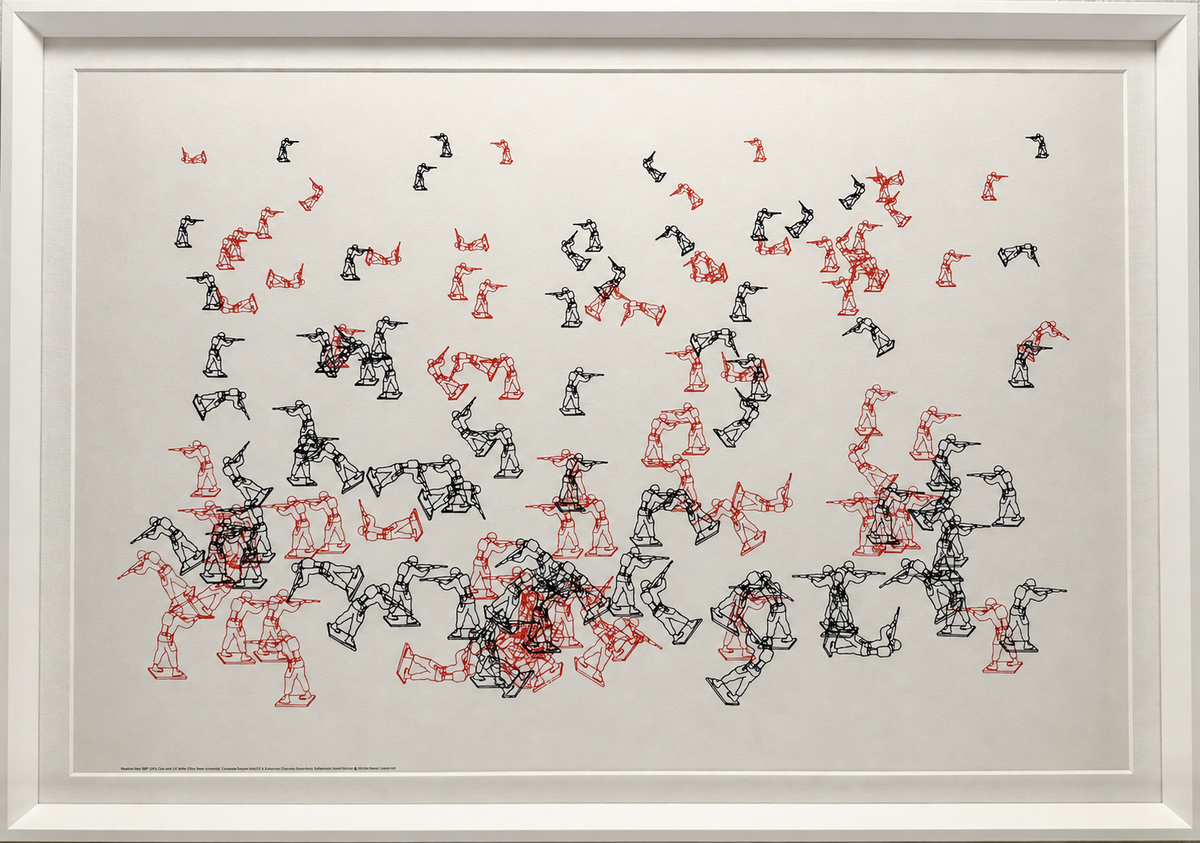
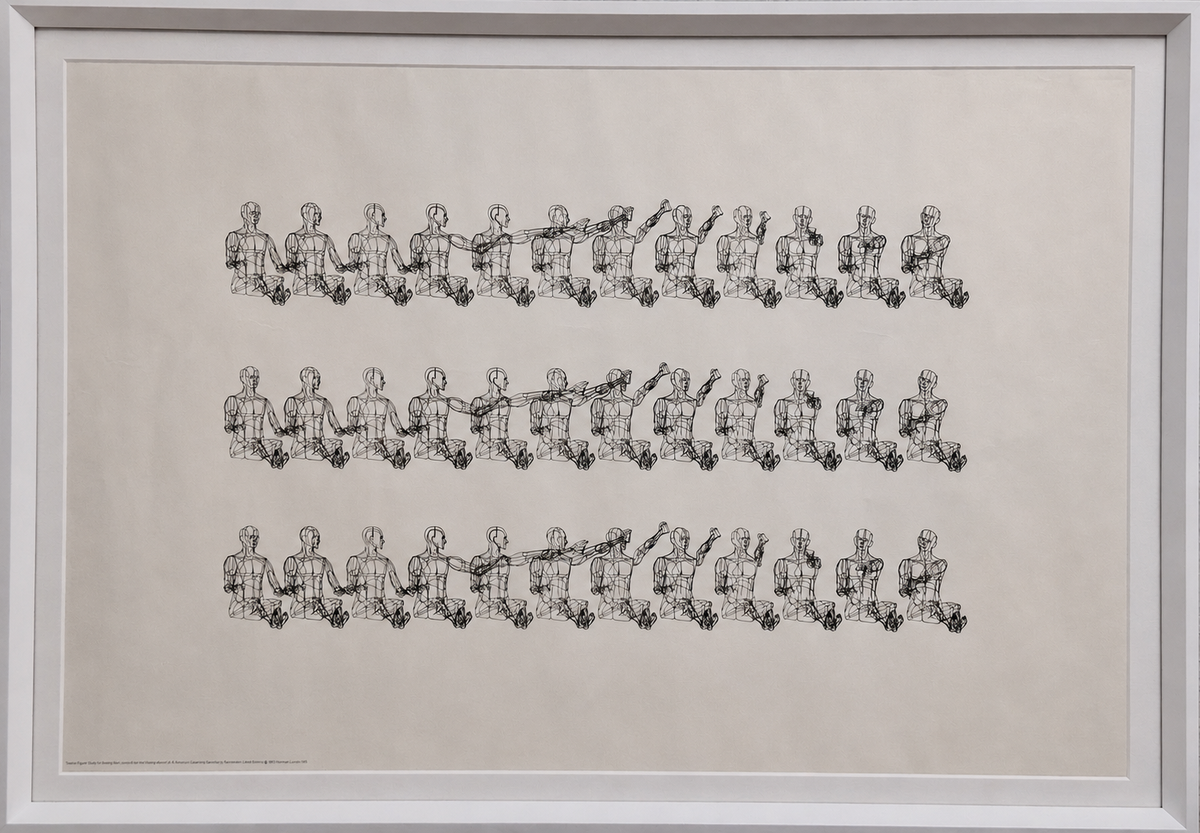
Motif’s portfolio sheet calls this the first graphic in CTG’s Metamorphoses series and lists the black lithograph as ME/02/2. The lower margin of the collection copy gives the title as “Return to Square 1967/68” and names the ICA exhibition. Three other Motif sheets in the collection place it in its original company: CTG’s Running Cola is Africa, William Fetter’s Human Figure, and Charles Csuri and James Shaffer’s Random War.
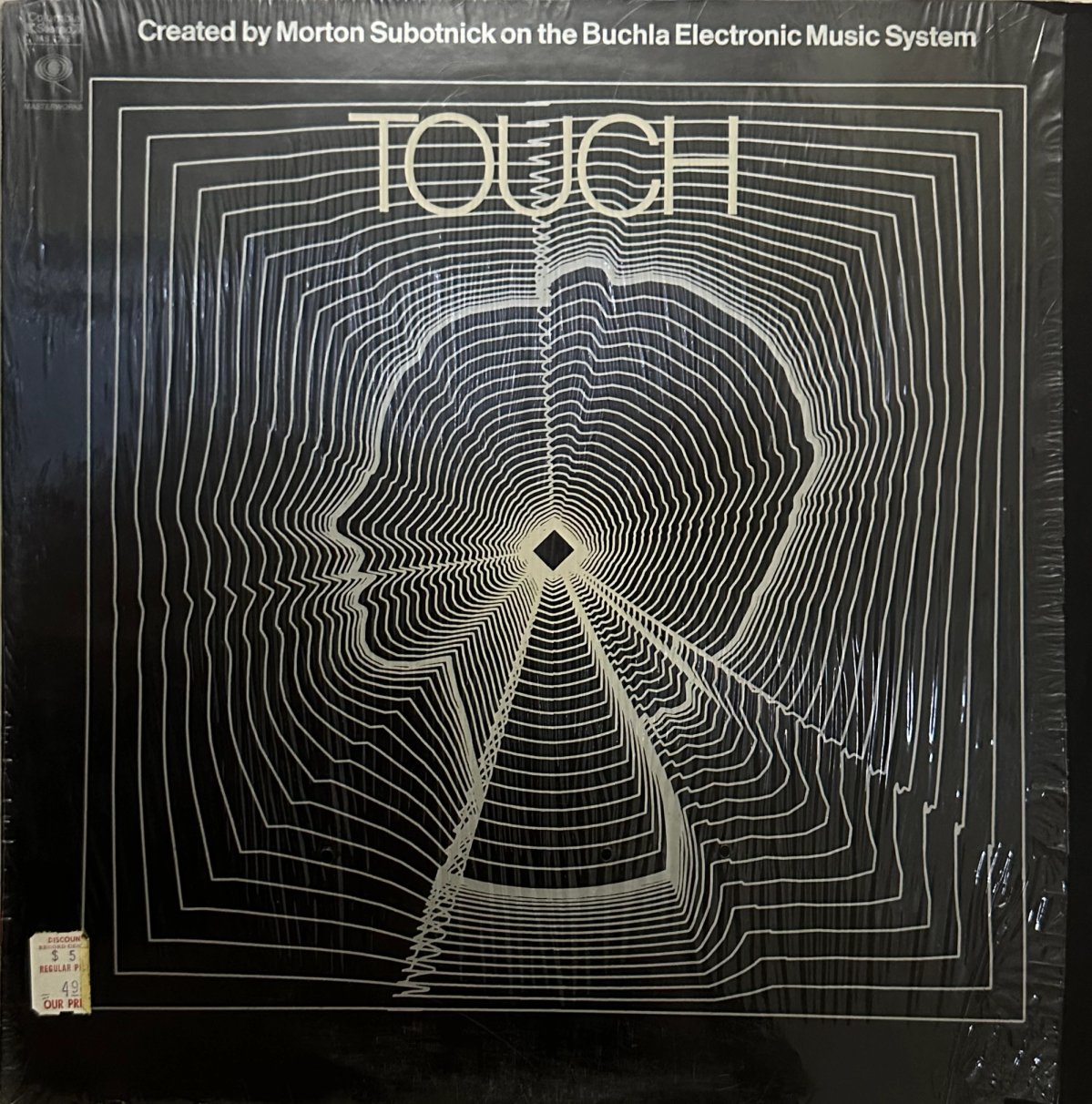
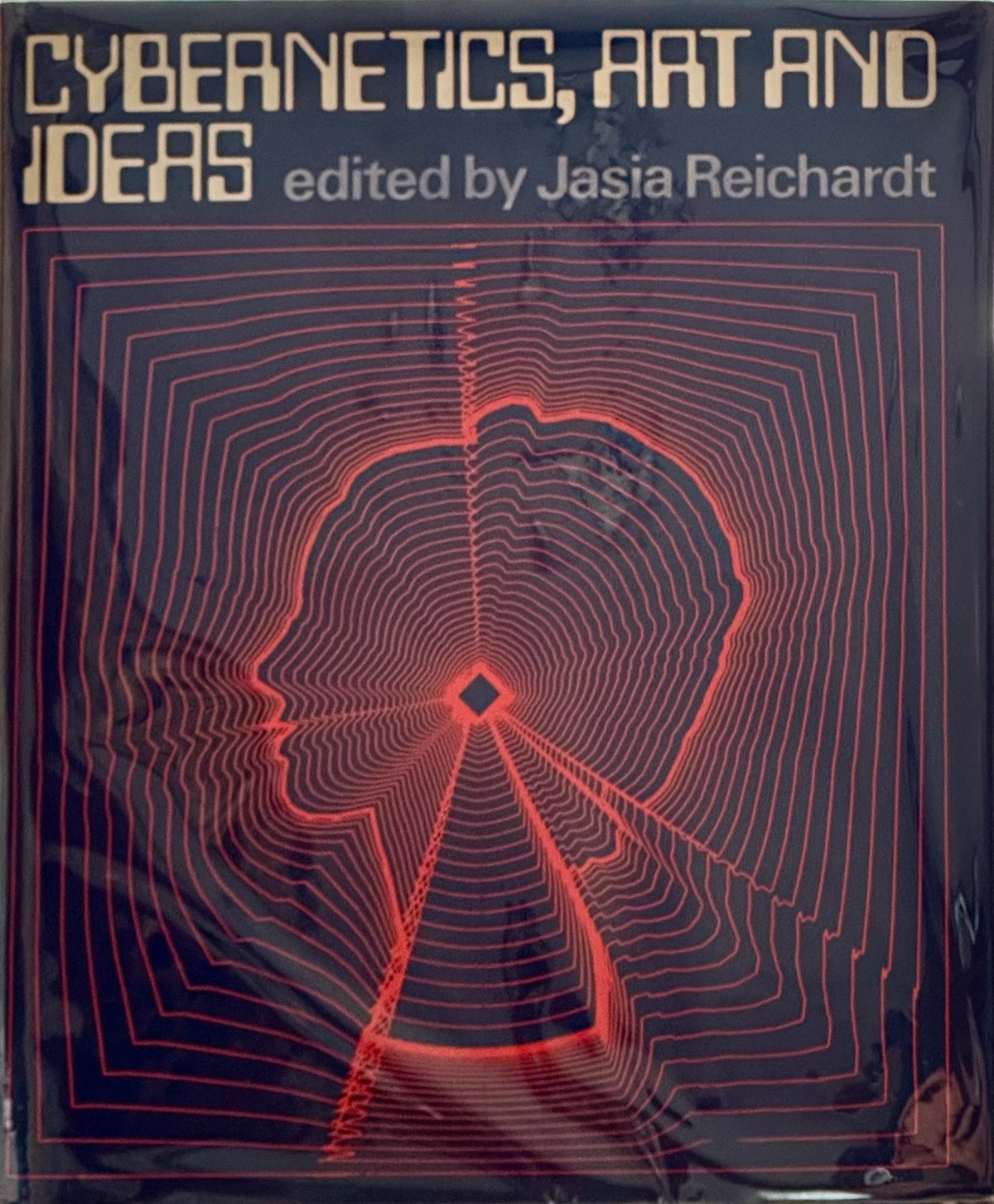
The two versions circulated separately. Ōizumi documents version (b) on the poster for CTG’s 1968 Tokyo Gallery exhibition. The collection also holds two later uses of that companion image: the sleeve of Morton Subotnick’s Touch and the cover of Reichardt’s Cybernetics, Art and Ideas.