
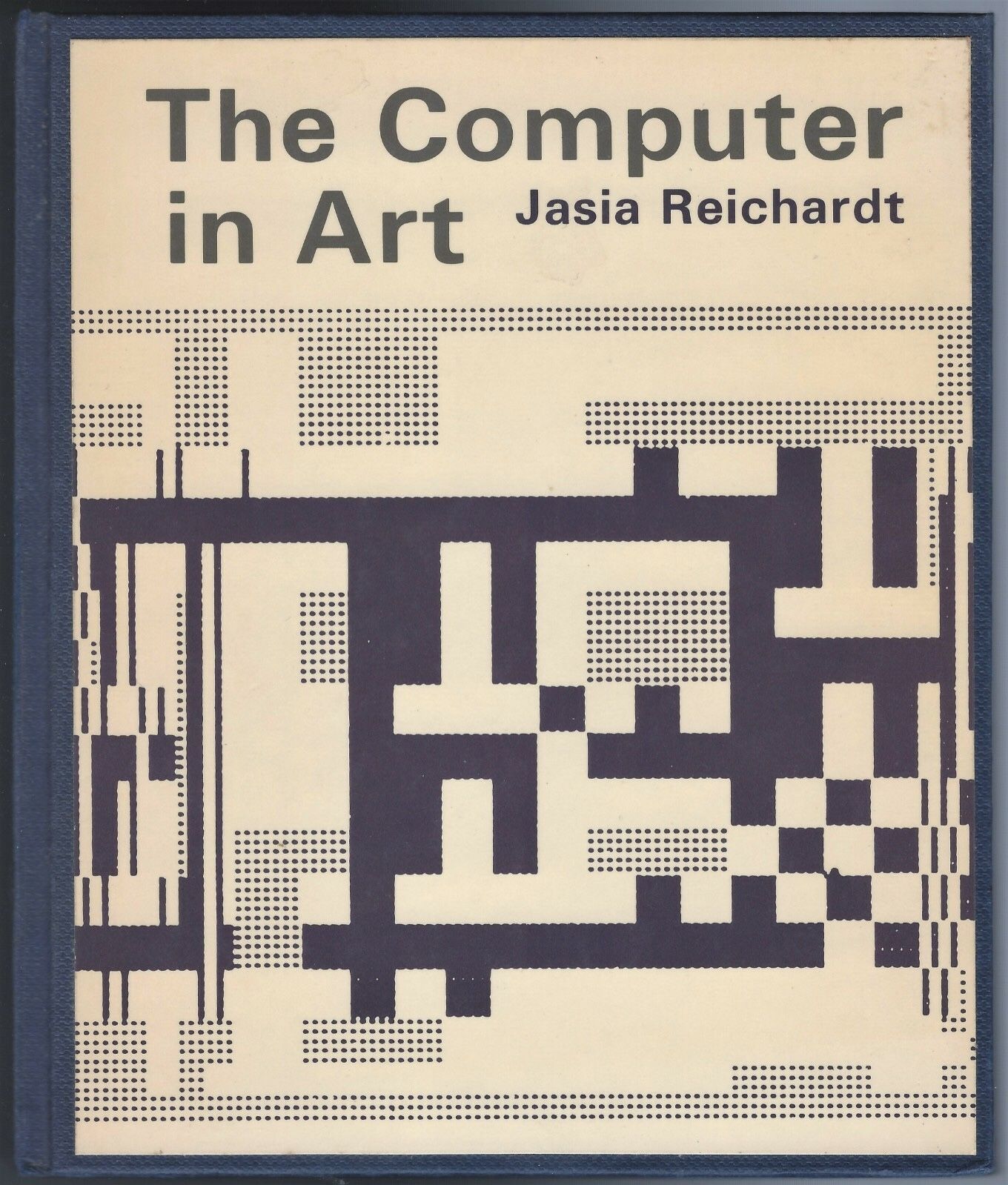
01 / 08Front cover of the 1971 hardcover edition. The cover illustration is based on a still from a computer-generated film by Stan VanDerBeek, programmed with the BEFLIX mosaic system.
Open full-size image ↗Book
The Computer in Art
1971Jasia Reichardt’s compact 1971 survey maps the emerging field of computer art across graphics, animation, education, cybernetics and artist–engineer collaboration. It gives sustained attention to Charles Csuri and devotes a full chapter to Japan’s Computer Technique Group (CTG), while repeatedly asking where technical novelty ends and artistic judgment begins.
- Author / editor
- Jasia Reichardt
- Publisher
- Studio Vista / Van Nostrand Reinhold
London / New York - Format
- Hardcover, midnight-blue cloth with cream illustrated title panel laid on front board
- Pages
- 96
- Language
- English
- Edition
- First edition, hardcover
PDF document
Full textEnglish · 13 MB
Complete scan of the 1971 edition, comprising 96 numbered pages plus front matter. The text and pagination correspond to the hardcover edition represented here.
Related in the collection
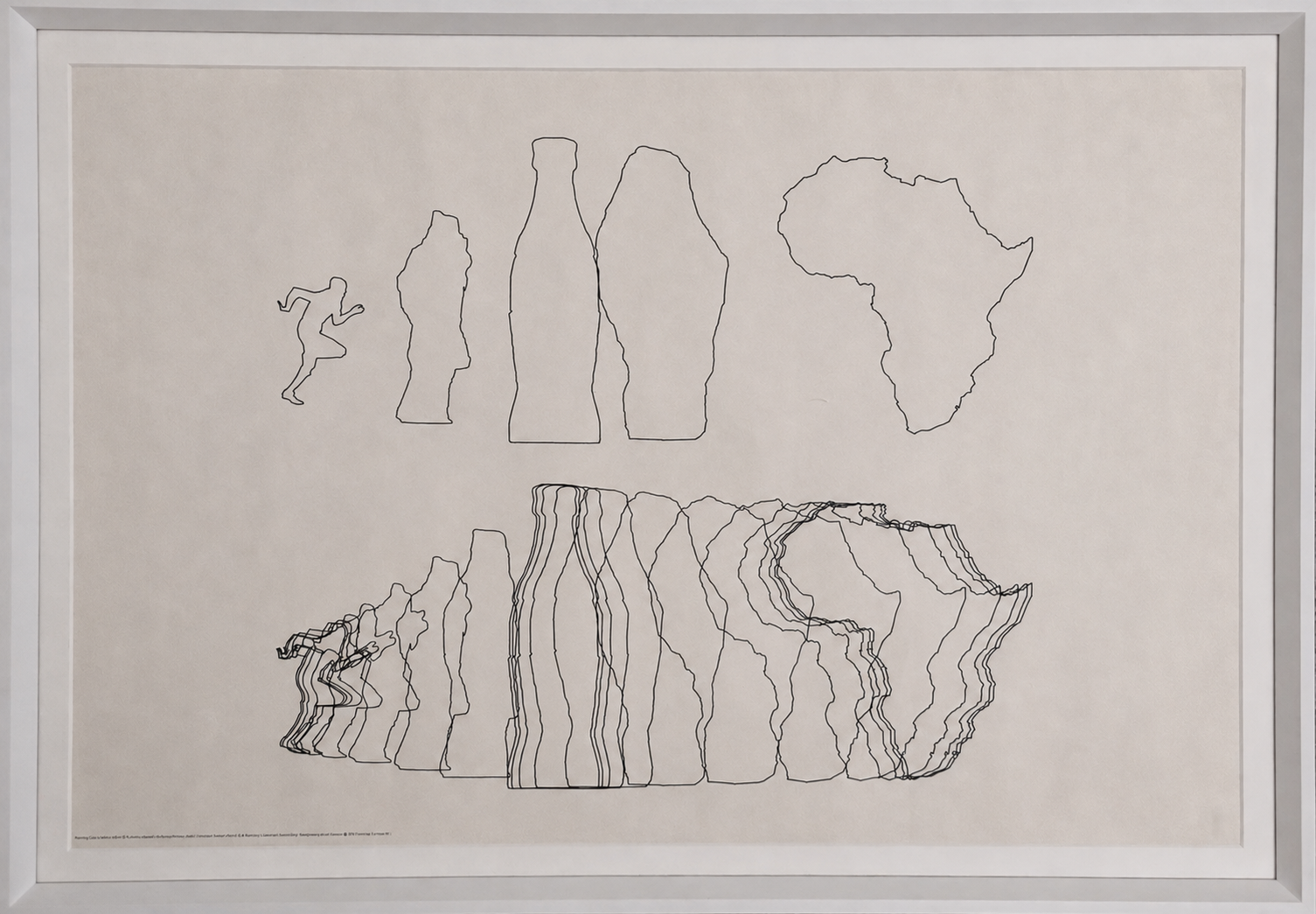
Computer Technique Group (CTG), 1968
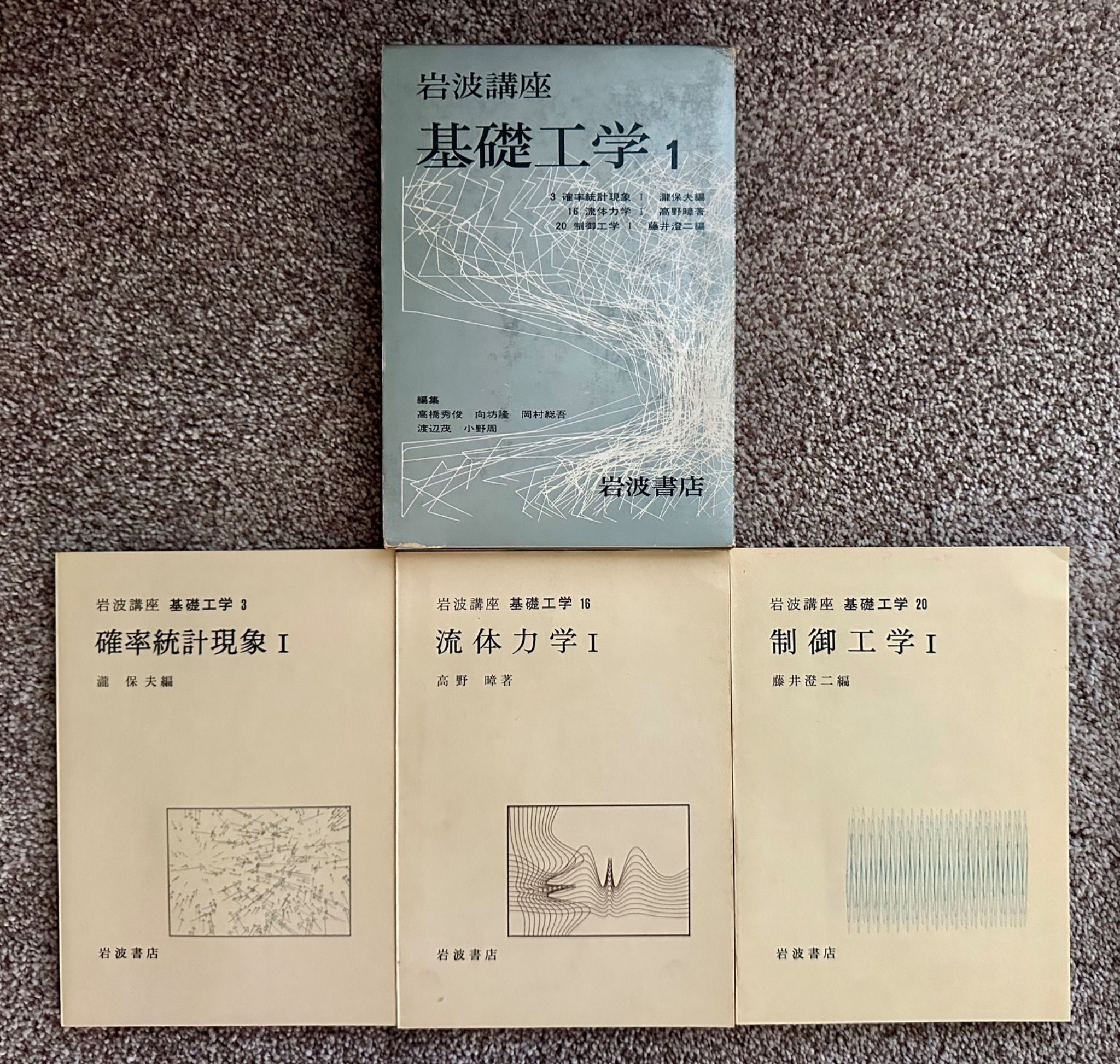
Cover designs by Shigeru Watanabe, Haruki Tsuchiya, Kōji Fujino and Masao Kōmura, 1967–1971; General Index 1974
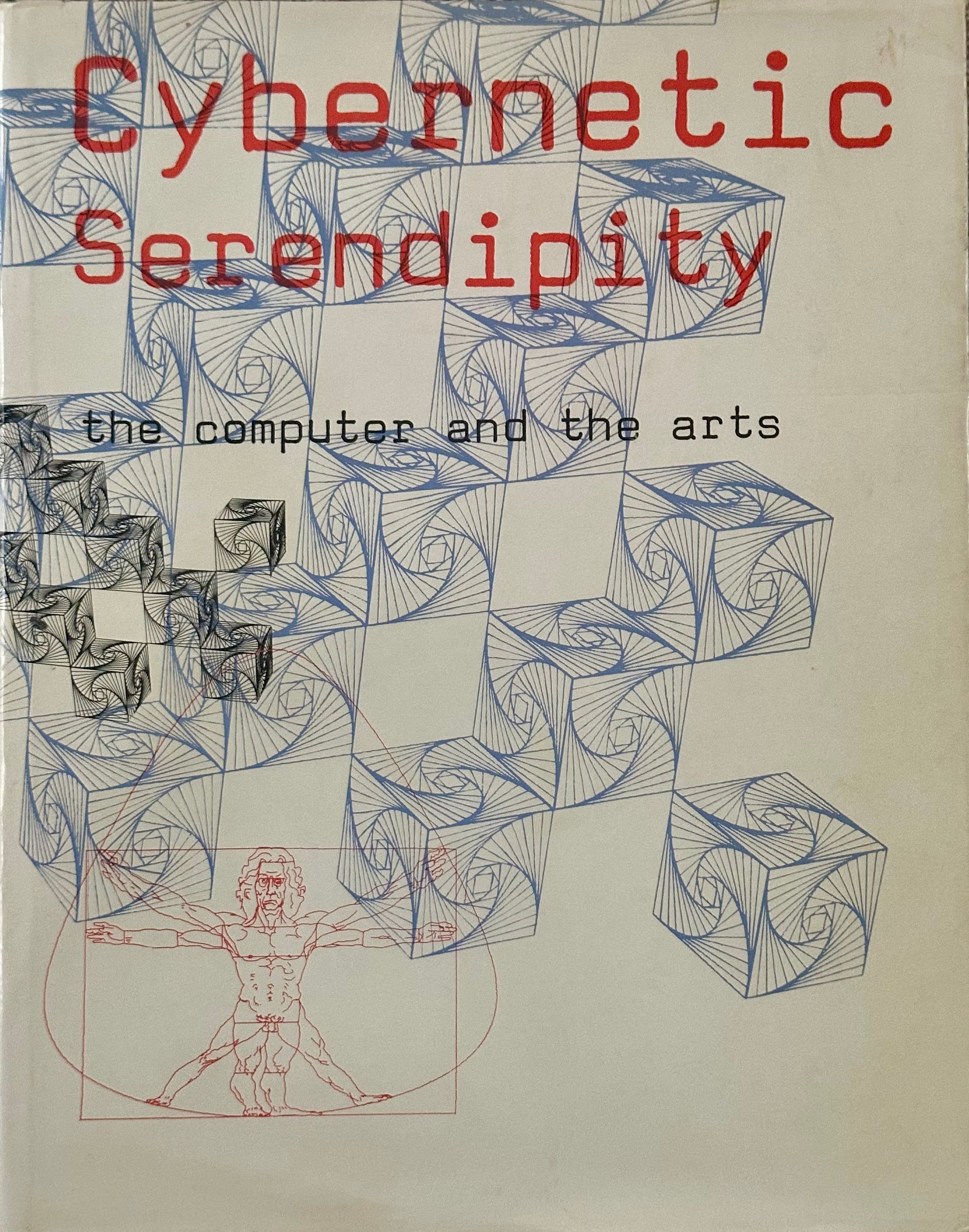
Jasia Reichardt, editor. Franciszka Themerson, design & layout., 1968
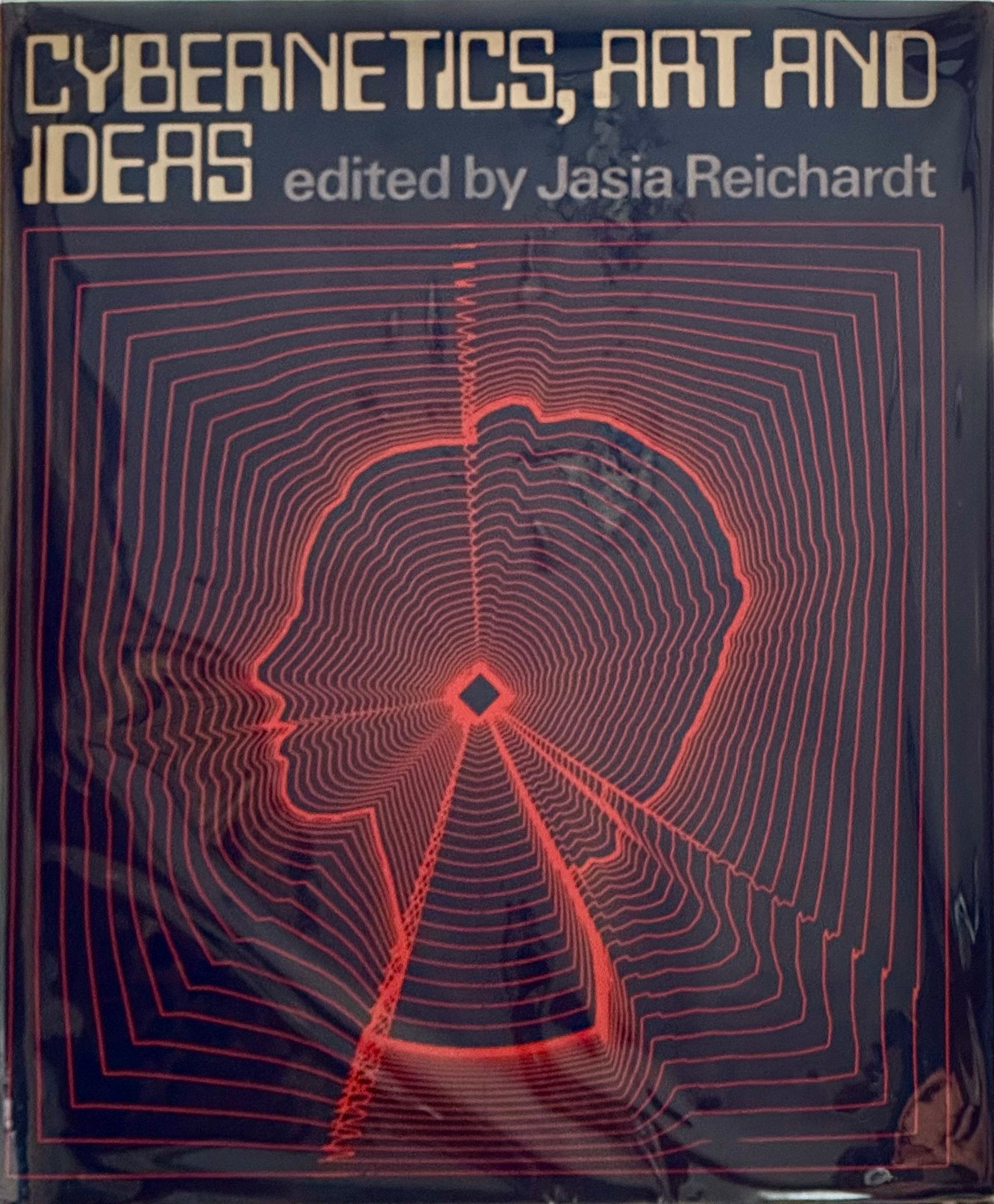
Jasia Reichardt, editor, 1971
Herbert W. Franke, 1985
Cynthia Goodman, 1987
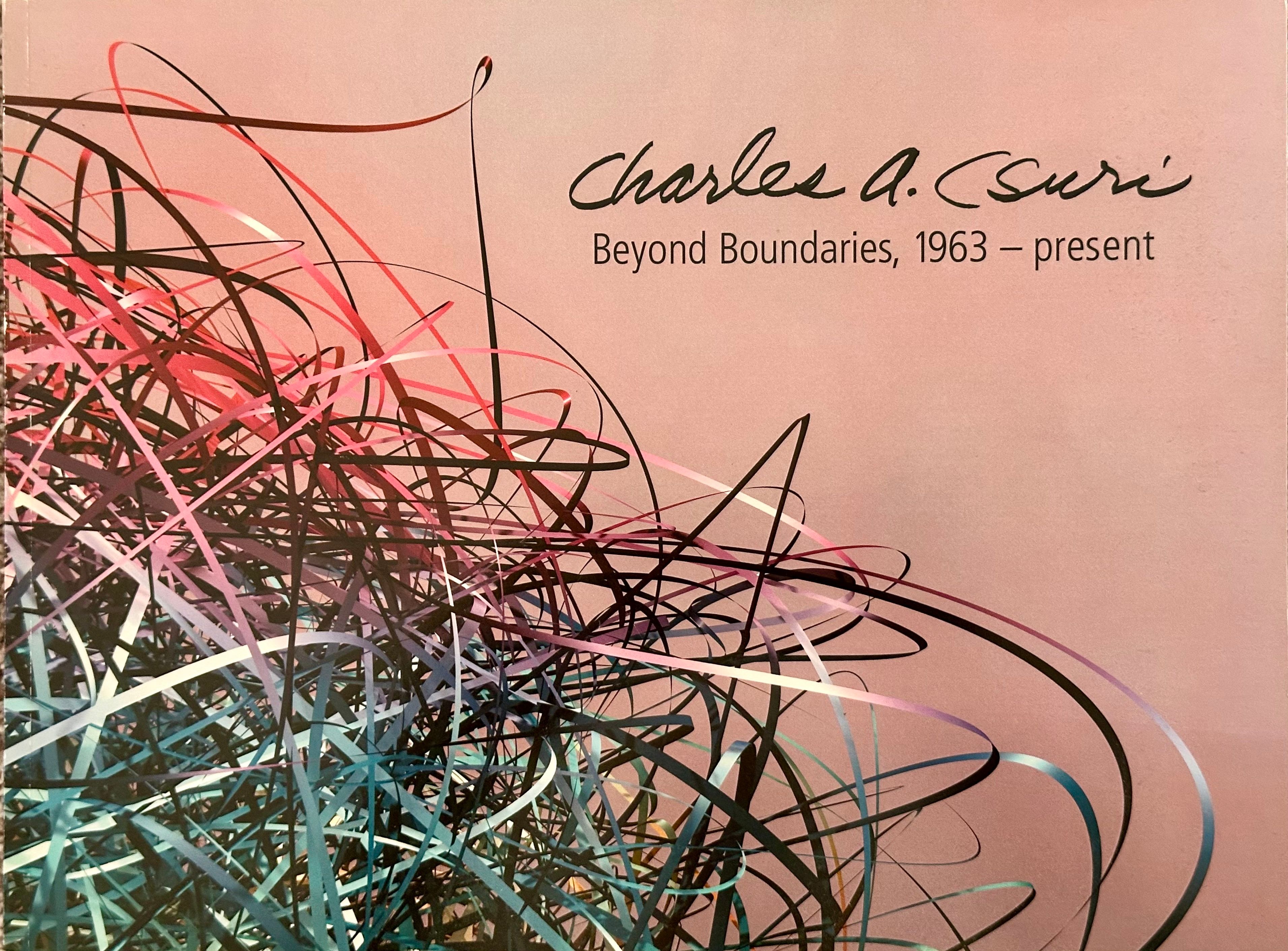
Janice M. Glowski, editor, 2006
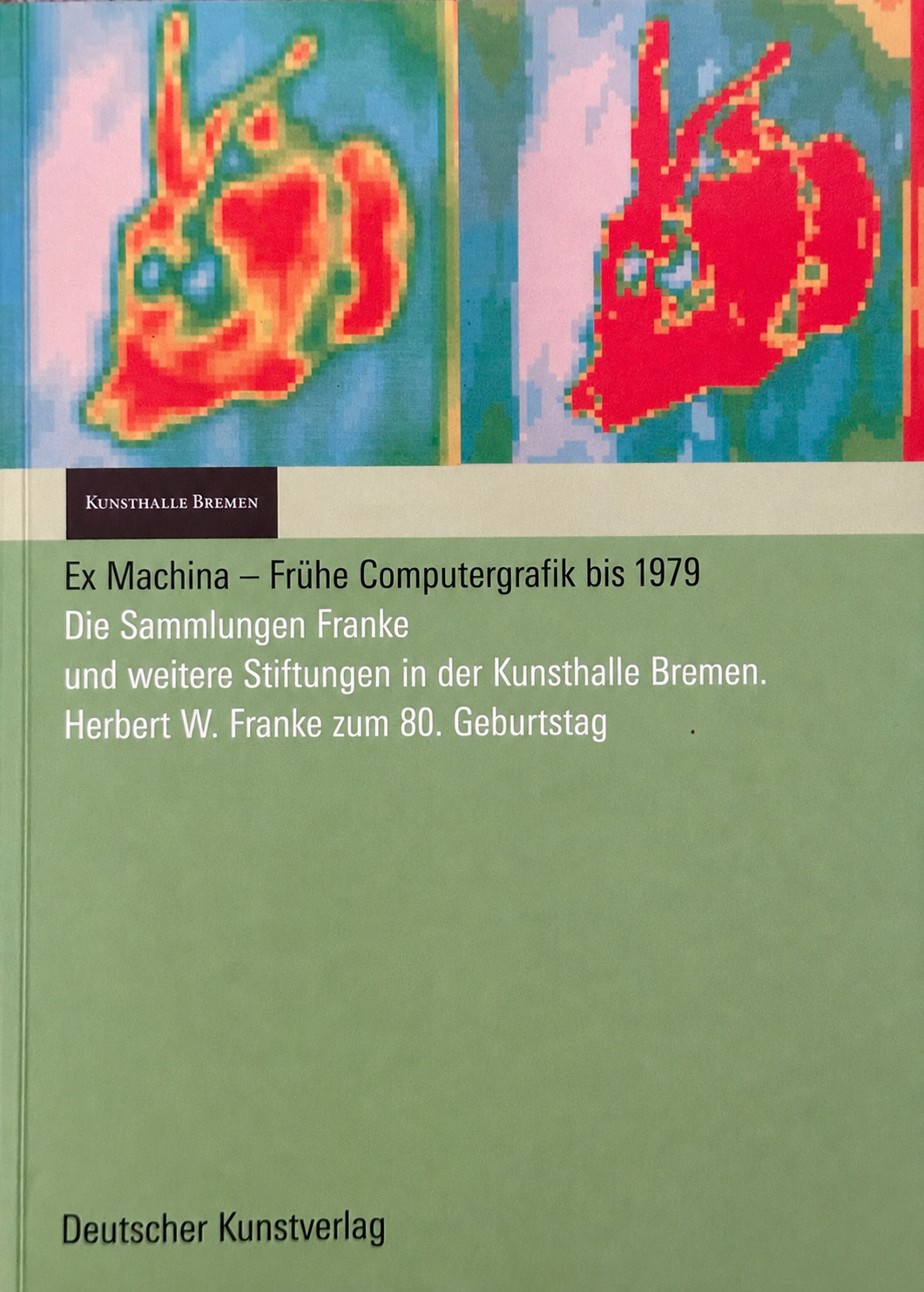
Wulf Herzogenrath and Barbara Nierhoff-Wielk, editors, 2007
Published three years after Reichardt curated Cybernetic Serendipity at the Institute of Contemporary Arts, London, The Computer in Art is a survey of an emerging field and a critical position statement. Reichardt treats computer art as an international activity united less by a shared style or ideology than by access to a medium, its techniques and its methods. Its participants include artists, engineers, mathematicians, doctors, philosophers, poets and musicians. She is deliberately unsentimental: the label “computer art” and the difficulty of producing it do not guarantee artistic value. Yet she argues that the field matters because it is redrawing the boundaries of creative activity and widening the range of people able to make visual work.
Program, chance and intuition
The book also identifies a fundamental tension between programmed and responsive creation. In program-based computer art, the artist ordinarily determines the objective and the permitted areas of randomness before the image appears. In a painting, the “program” may instead develop while the work is being made. Reichardt questions Max Bense’s assertion that computational randomness replaces the intuitive element in the artist’s work. Randomness can introduce variation, but it does not by itself supply artistic judgment or significance. At the same time, she recognizes that real-time displays, feedback systems and audience participation could make computer-based work less predetermined going forward.
Charles Csuri
Csuri receives sustained attention across pages 33–46. Reichardt presents him as unusual among artists working with technology: a competent programmer able to design systems for his own purposes rather than relying entirely on engineers and technicians. His Leonardo transformations, Hummingbird and Birds in a Hat show computation applied to recognizable figures. Csuri talks about drawing with a light pen in a real-time animation environment, where speed, rotation and transformations could be evaluated and revised within seconds. His comparison between the approximately $12,000 computer-time cost of Hummingbird in 1967 and a later ten-minute color film costing about $120 records how quickly computing was changing. Reichardt also details his pioneering computer-sculpture process using a three-axis milling machine.
Computer Technique Group
CTG receives a dedicated chapter on pages 81–87. Founded in Tokyo in 1967 by young designers, architects and engineers, the group issued manifestos, and worked at the IBM Scientific Data Center. Reichardt calls CTG’s drawings among the most imaginative produced anywhere and distinguishes them from the more formal work of many American and European practitioners. Running Cola is Africa transforms one image into another; Deformation of Sharaku applies several coordinate exchanges to a single source; and Return to Square uses arithmetic and geometric progressions. For CTG, the artist’s task lay in imagining a system and its field of possible results, something echoed decades later by generative artists in the 21st century. Automatic Painting Machine No. 1 carried this thinking into a responsive environment controlled by manual input, computer tape, sound and light. The book closes with Haruki Tsuchiya’s December 1969 letter announcing CTG’s dissolution and reflecting that artist–engineer collaboration had proved harder than expected. In his words, computers manipulate symbols rather than meanings, and computer art should be explored by artists rather than engineers, or by someone capable of being both.
Democratization and devaluation
Reichardt sees the computer as a possible instrument for the democratization of art: it could support both a “museum without walls” of reproductions and inexpensive multiple originals. Her conclusion is also strikingly skeptical. If nearly infinite runs of only slightly different objects flooded supermarkets, she argues, their differences would be insignificant; encountering related versions everywhere would diminish rather than strengthen the owner’s sense of uniqueness and value. The computer could make art more available without making it more meaningful or desirable. She ultimately describes computer art as the last stance of abstract art, but not necessarily a dead end: its impersonal, pre-programmed abstraction might become the basis from which a different and less predictable art form would emerge.