Artist · 1983–present
Daniel Calderon Arenas
American
Houston, United States
Daniel Calderon Arenas (b. 1983), known as DCA, is a sculptor and generative artist who brings recognizable forms and narrative into on-chain art. He is the brother of Art Blocks founder Erick Calderon (Snowfro) and created Genesis, the platform’s first artistic proof of concept. His practice displays an evolution from abstraction toward representational imagery.
In the collection
7 works
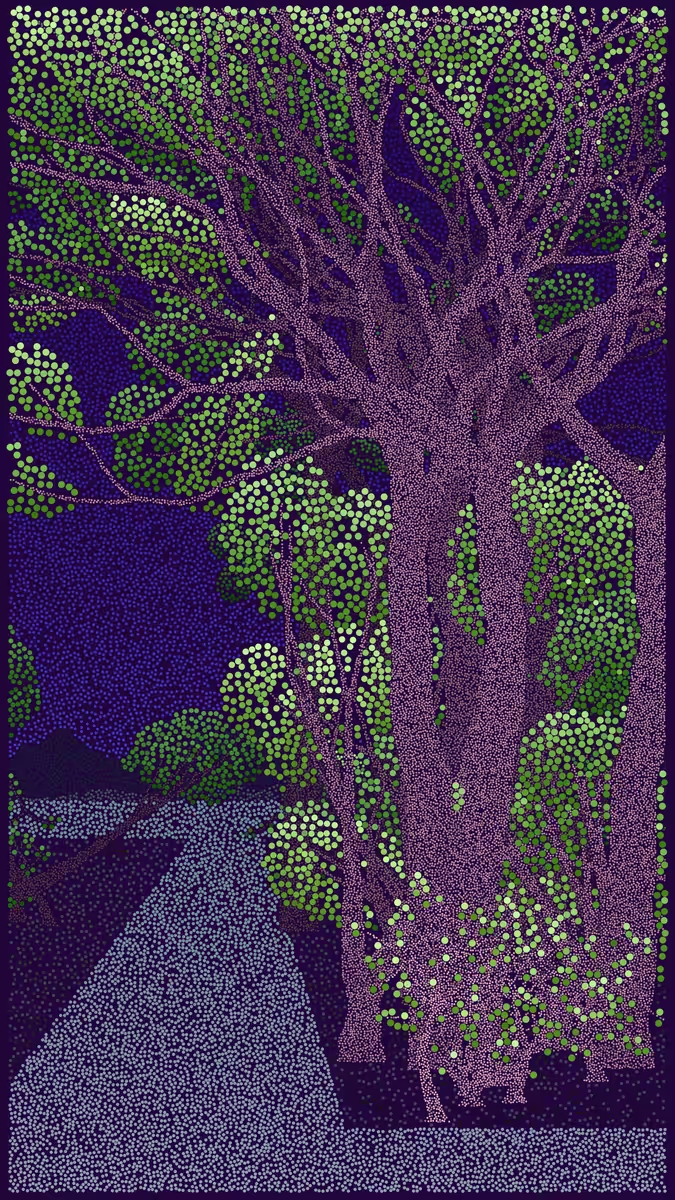
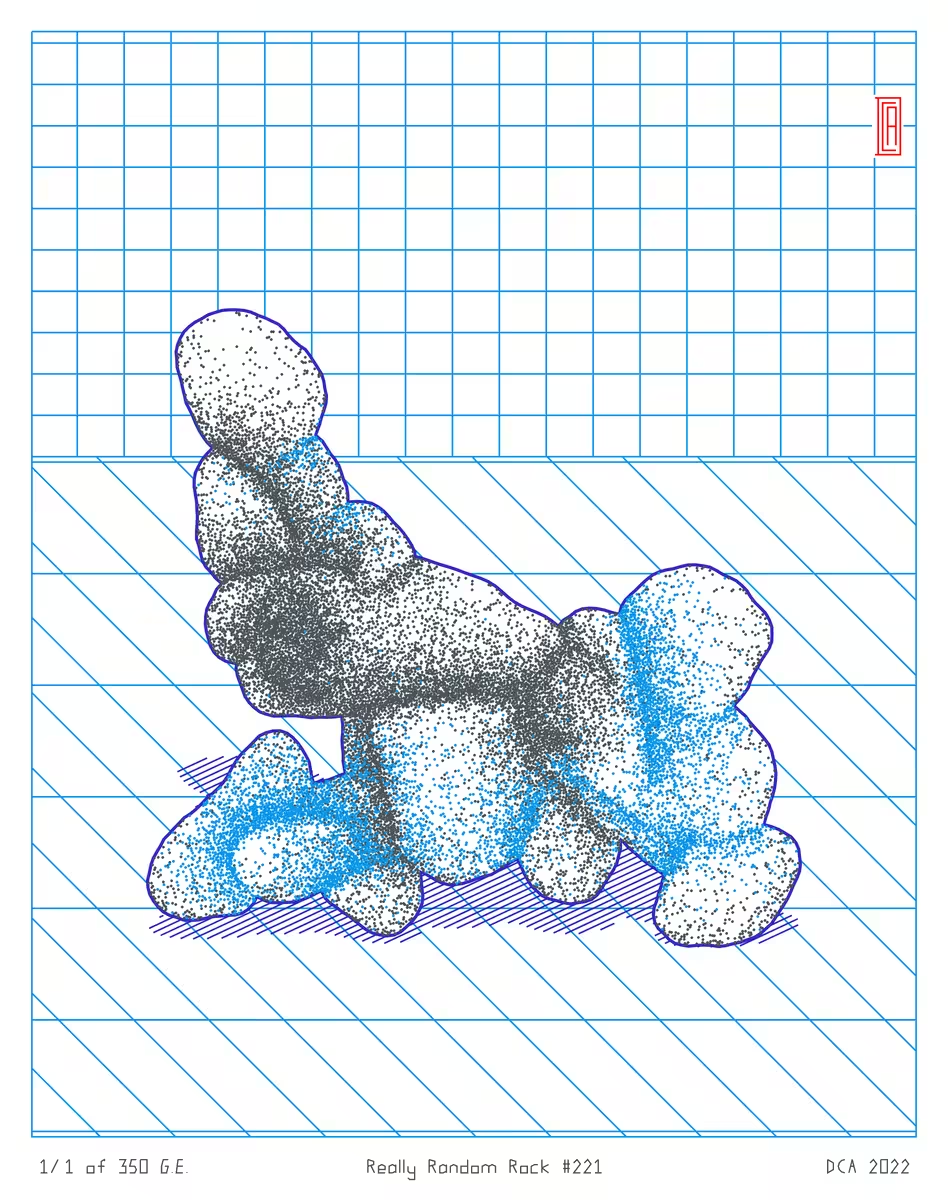
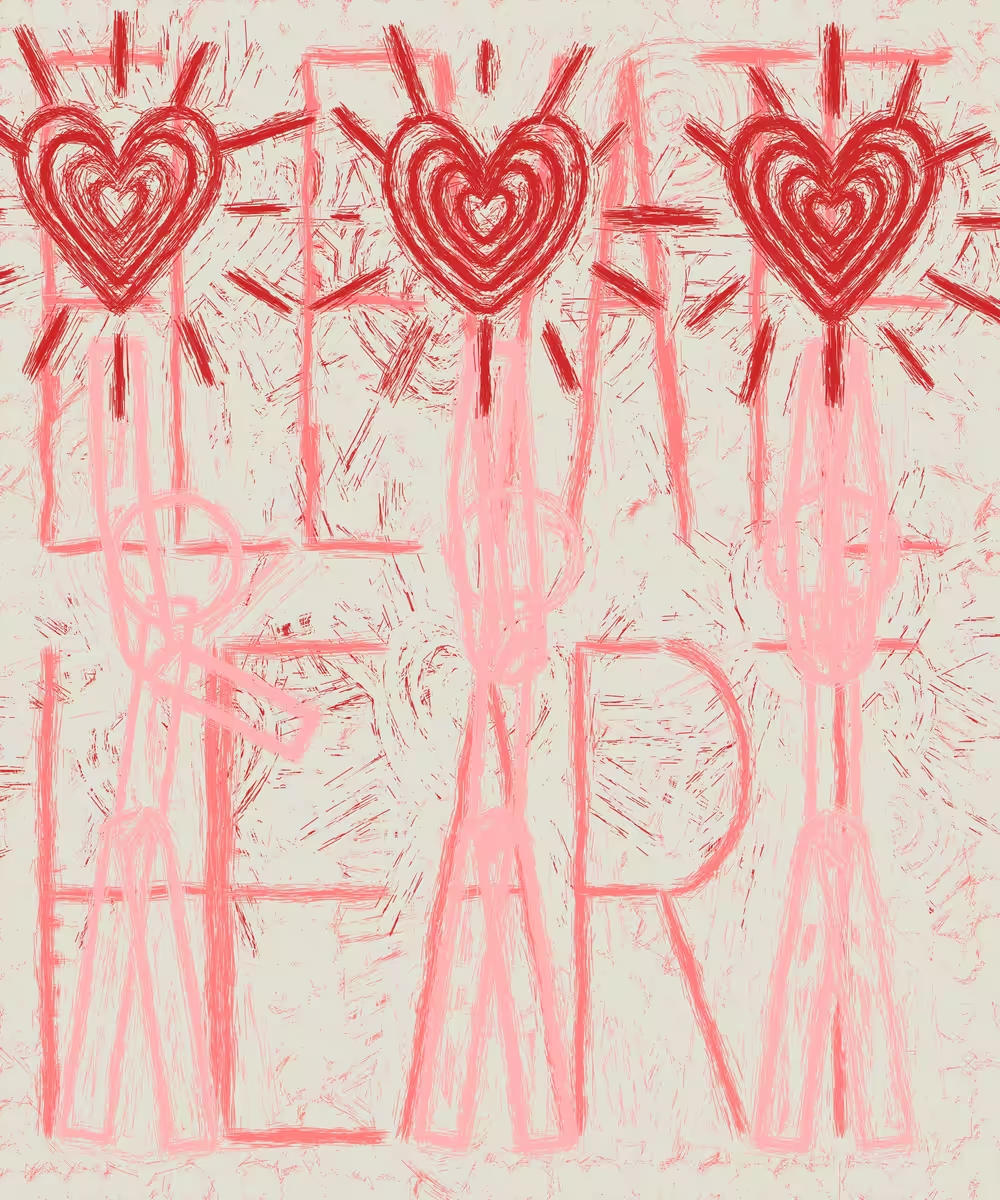
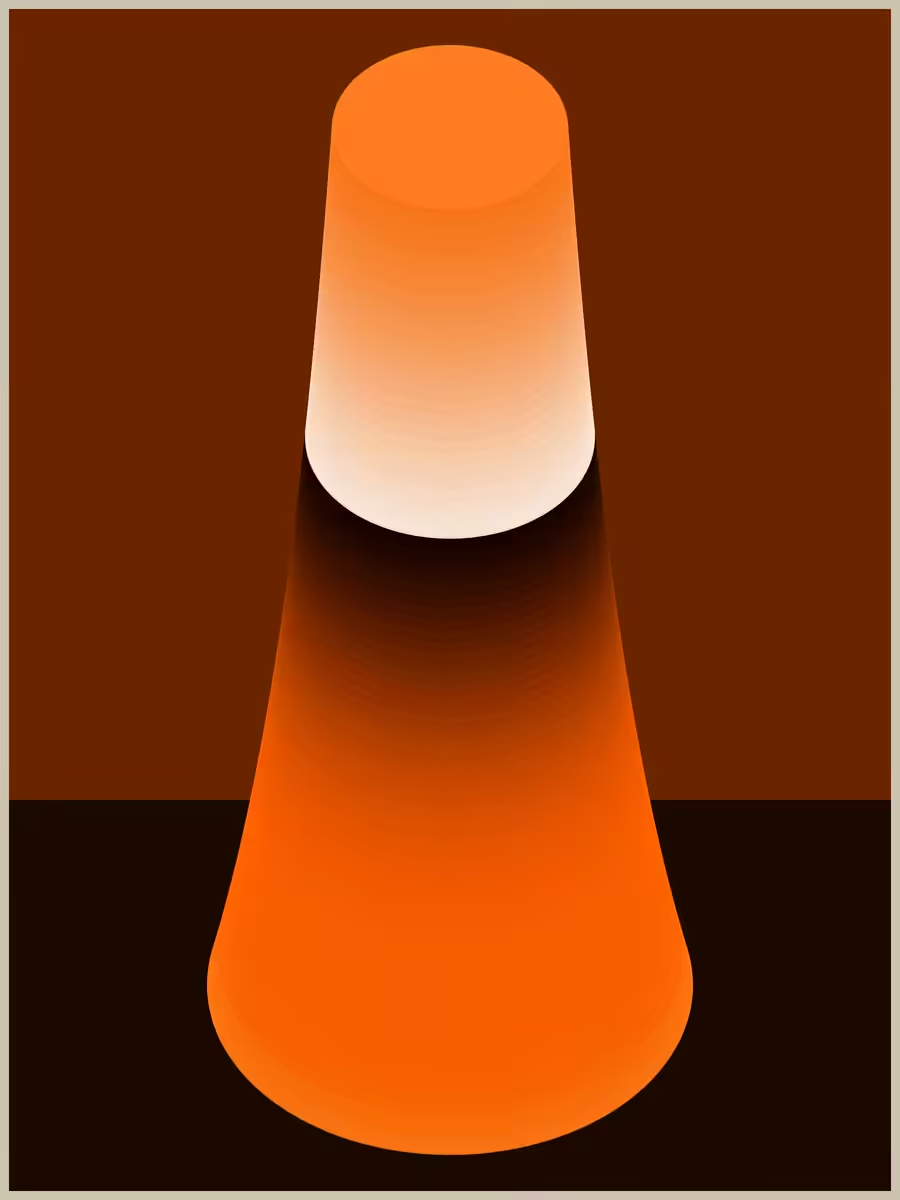
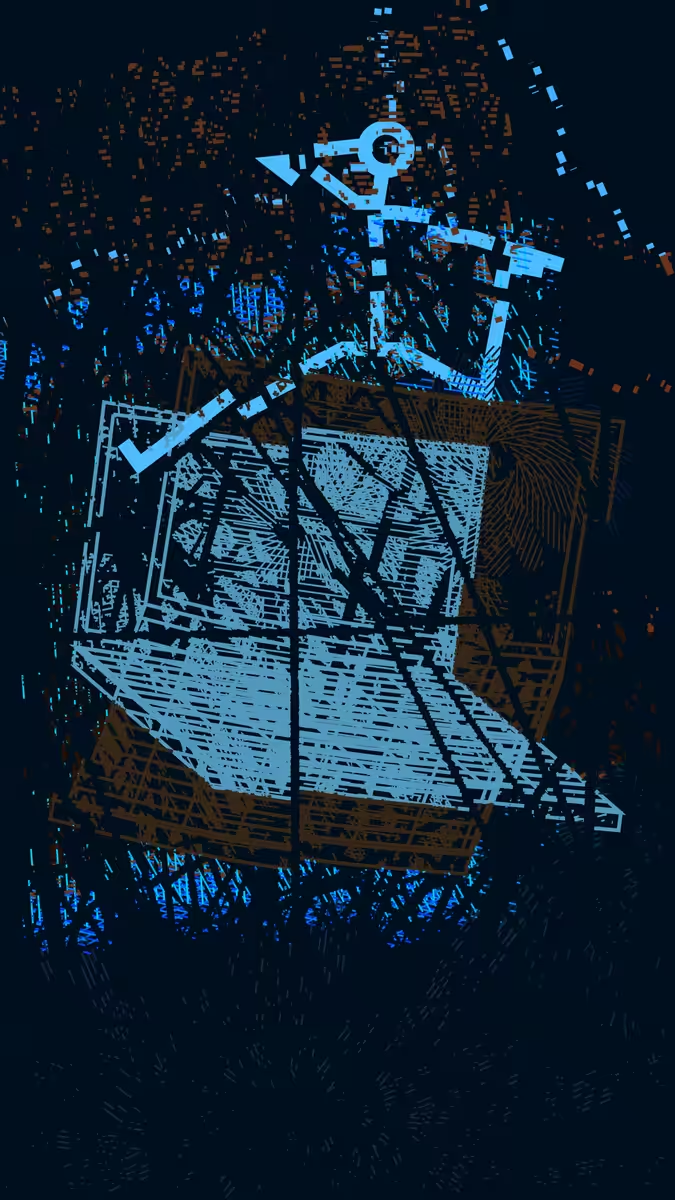
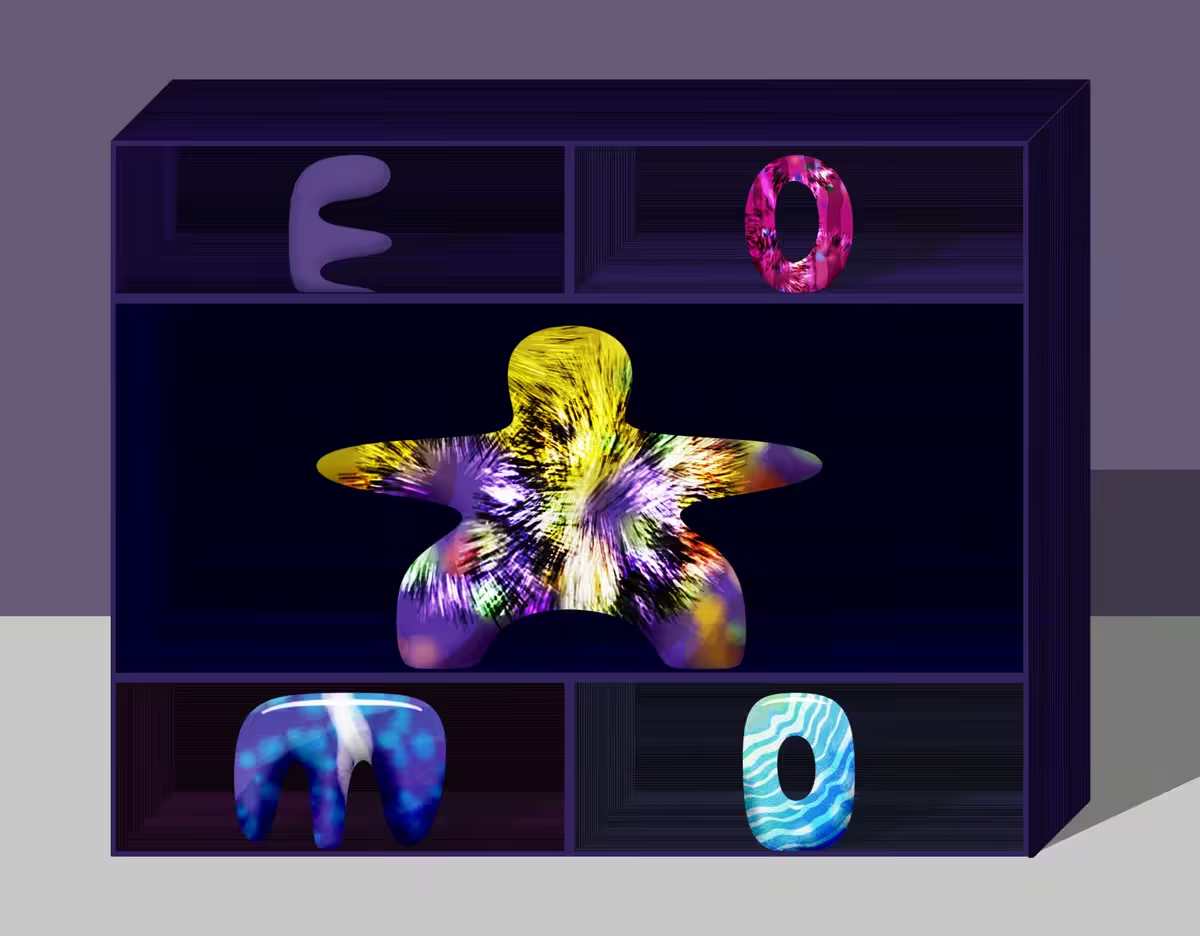
Daniel Calderon Arenas helped establish Art Blocks, then developed a practice that reaches beyond geometric abstraction into landscapes, recognizable objects and narrative. Trained as a sculptor, he approaches code with an interest in form, material and meaning. His distinctive contribution to on-chain generative art lies in making algorithms describe a place, evoke a memory or suggest a living thing.
Born in Mexico City in 1983 and based in Houston, DCA earned an MFA in sculpture at the University of Houston, where he has also taught digital fabrication and creative coding. His physical practice includes painting and sculpture.
His older brother, Erick Calderon, known as Snowfro, founded Art Blocks. DCA wrote Genesis in 2017 as the platform’s first working proof of concept, testing how blockchain data could produce distinct visual compositions through a common program. It became one of the three projects released when Art Blocks launched on 27 November 2020, alongside Snowfro’s Chromie Squiggle and Jeff Davis’s Construction Token. Genesis belongs both to the platform’s experimental beginnings and to its first public releases.
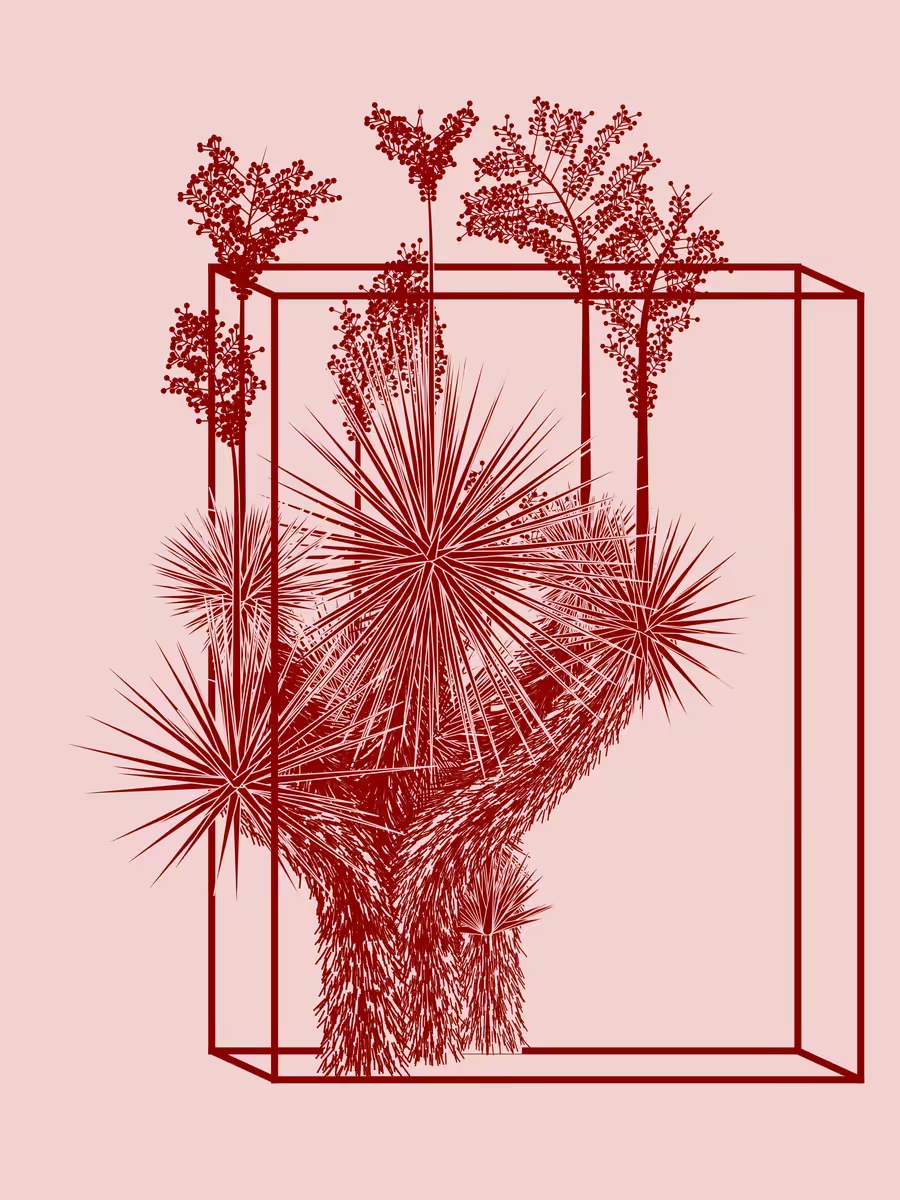
By 2022, DCA was explicitly pursuing representation and figuration. Bosque de Chapultepec, made for Bright Moments in Mexico City, used circle packing to evoke the city’s forested park and the dense compositions of his grandfather, a painter. Marfa Yucca, released the same year, combined flowering desert plants with box forms inspired by Donald Judd’s installations at the Chinati Foundation. These works use generative variation to build recognizable scenes with personal and geographical associations.
This interest extends to characters and storytelling. Diggly Collects All (2025) turns an on-chain generative system into a world of exploration and collecting: a creature searches for objects that the participant arranges into the token’s displayed composition. His engagement with earlier computer art is also visible in Self Portrait after Csuri (sequence plot), exhibited at Mexic-Arte Museum in Austin, TX in 2022–23. Across these projects, code becomes a means of making images with subjects, memories and histories.
Exhibitions
- 2020 - Genesis, Art Blocks project release, 27 November.
- 2021 - Gen 2, Art Blocks project release, 15 February.
- 2022–23 - Histories of Transformation / Historias de Transformación, Emerging Latinx Artists 26, Mexic-Arte Museum, Austin; Self Portrait after Csuri (sequence plot).
- 2022 - NFT ART CDMX, Bright Moments, Mexico City; Bosque de Chapultepec.
In the library