

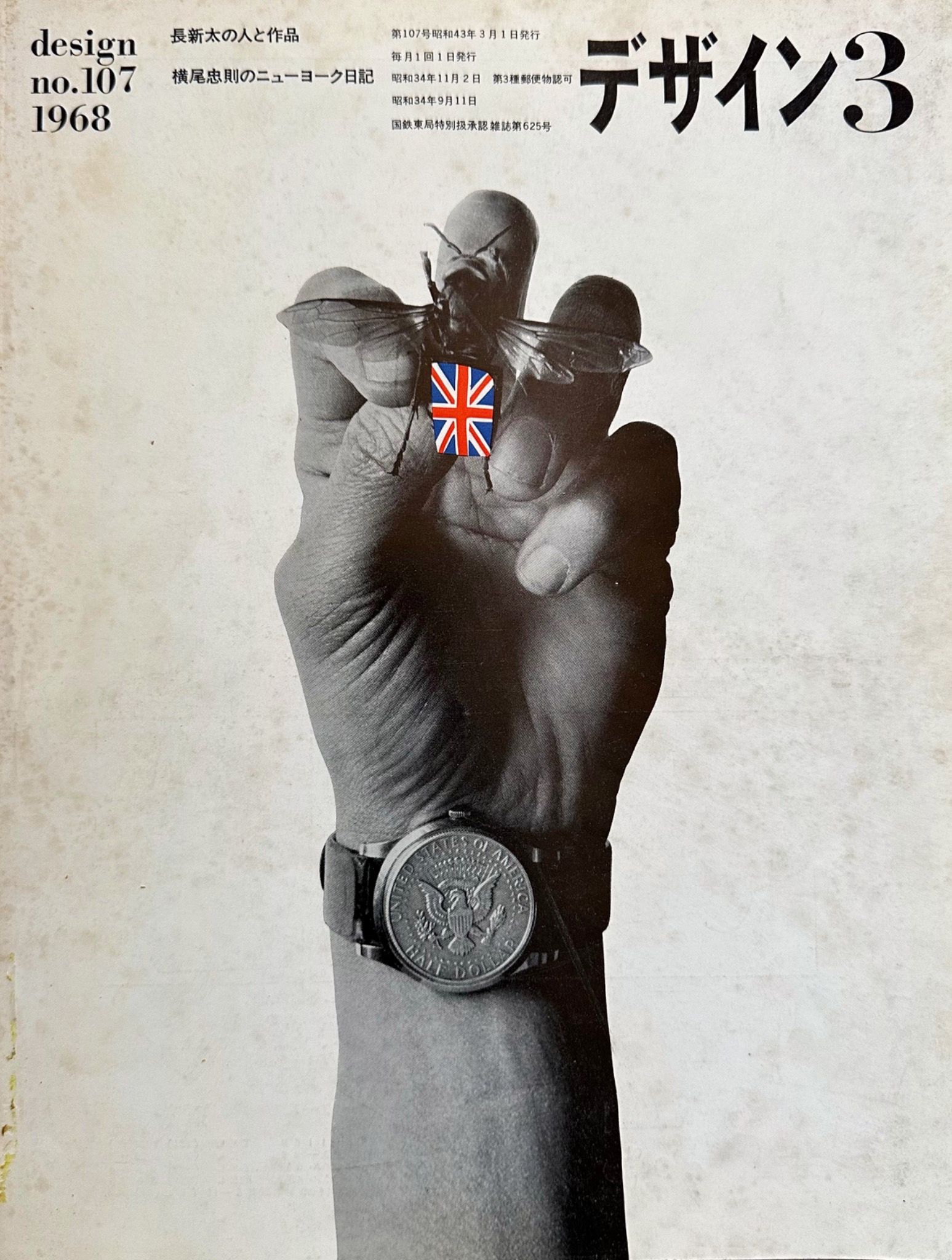
01 / 10Front cover of Design, no. 107, March 1968. Unnumbered cover.
Magazine or periodical
Design, no. 107, March 1968
1968Artists, engineers, and a philosopher ask where creativity resides when machines execute artwork, who should control computing, and whether computers might eventually inherit human culture.
- Author / editor
- Article edited by Masao Komura, CTG
- Publisher
- Bijutsu Shuppansha
Tokyo, Japan - Format
- Printed magazine
- Pages
- 88
- Language
- Japanese
- Edition
- No. 107, March 1968
PDF document
English translationEnglish · 1.4 MB
Complete English translation of the published report, pp. 51–58, with all eleven numbered illustrations and historical commentary.
Related in the collection
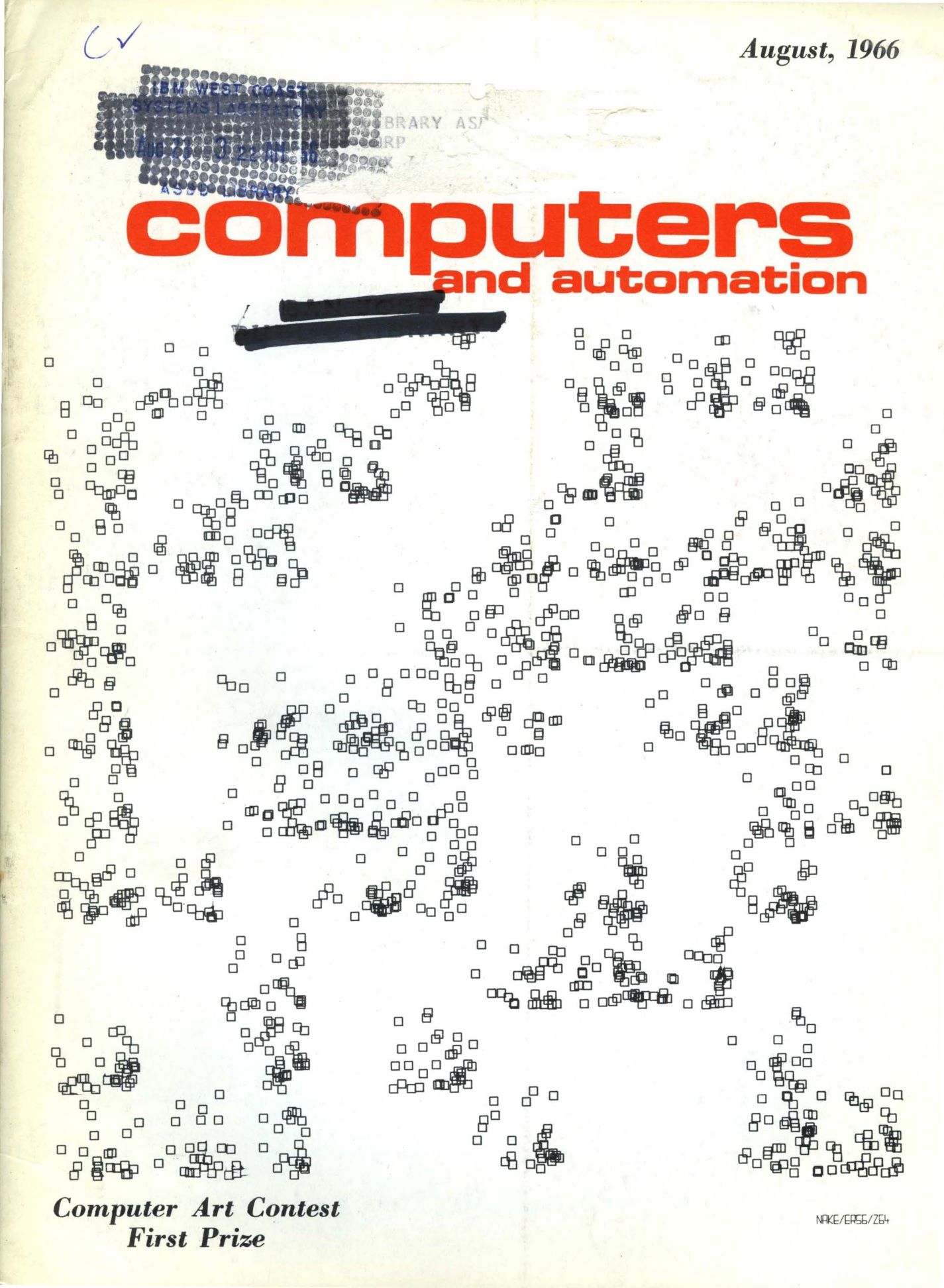
Edmund C. Berkeley, editor and publisher, 1966
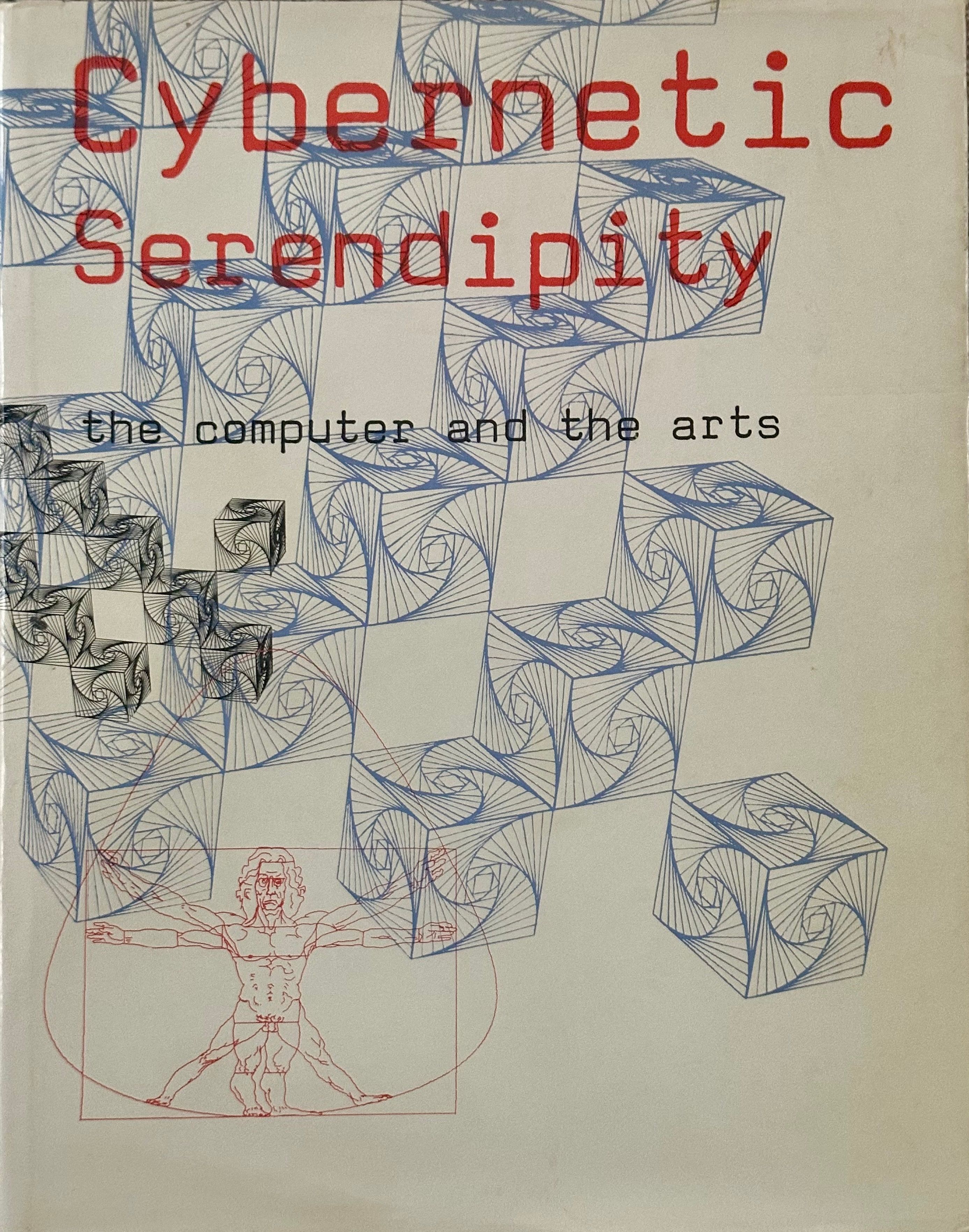
Jasia Reichardt, editor. Franciszka Themerson, design & layout., 1968
Association for Algorithmic Art (芸術アルゴリズム研究会) and Tama Art University, editors, 2006
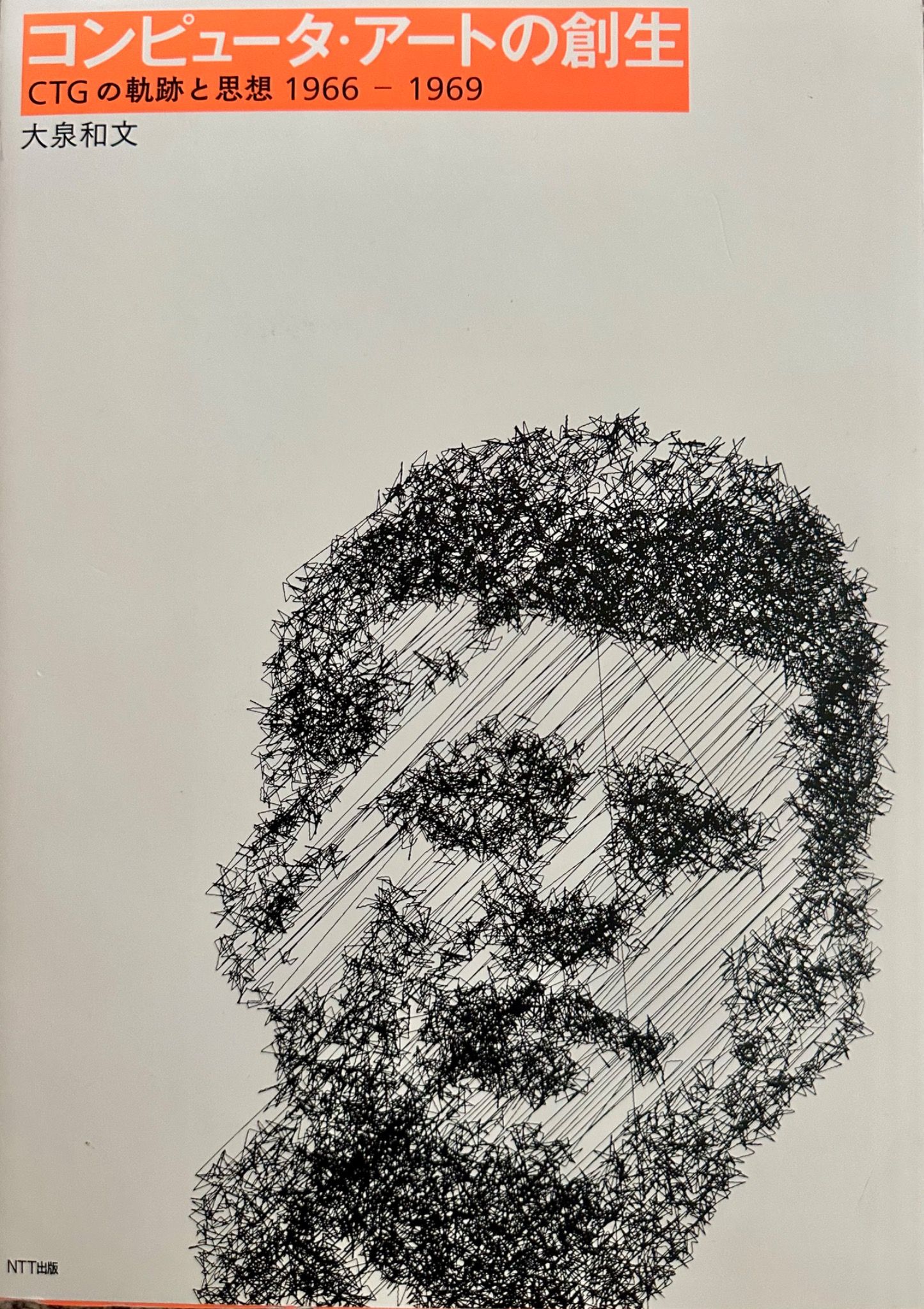
Kazufumi Ōizumi (大泉和文), 2015
The report on “Electronic Computers and Art,” the symposium organized by Computer Technique Group (CTG) at Tama Art University on October 9, 1967, appeared as the second installment of Design’s series “Graphic Design by Computer.” It records a debate among Yoshishige Saito, Shigeru Watanabe, Hiroshi Kawano, and Shinya Izumi, moderated by Komura, Haruki Tsuchiya, and Shiota.
The passages below reproduce selected English translations. Page references refer to the printed magazine.
Yoshishige Saito, p. 51
Saito places artistic intention and planning ahead of manual execution. Read in 2026, this offers a useful way to think about authorship in work made with generative AI: choosing what to make, shaping a process, judging alternatives, and deciding when a work is finished can carry artistic weight even when a machine performs much of the execution.
Shigeru Watanabe, pp. 51–52
Watanabe anthropomorphizes the computer and gives it a voice. In 2026, this passage invites questions about who owns computing infrastructure, who can afford access, and whose purposes determine what a machine is allowed to do.
Hiroshi Kawano, p. 56
Kawano’s ambition resembles present-day (2026) accelerationist discussions of AI, but the stated payoff is philosophical: a clearer account of human dignity.
Shigeru Watanabe, p. 58
This is the strongest resemblance to contemporary posthuman thinking. Watanabe imagines culture surviving beyond the biological conditions that sustain its human makers.
In 2026, the question of succession also appears in a much more immediate argument over powerful AI and human control.