
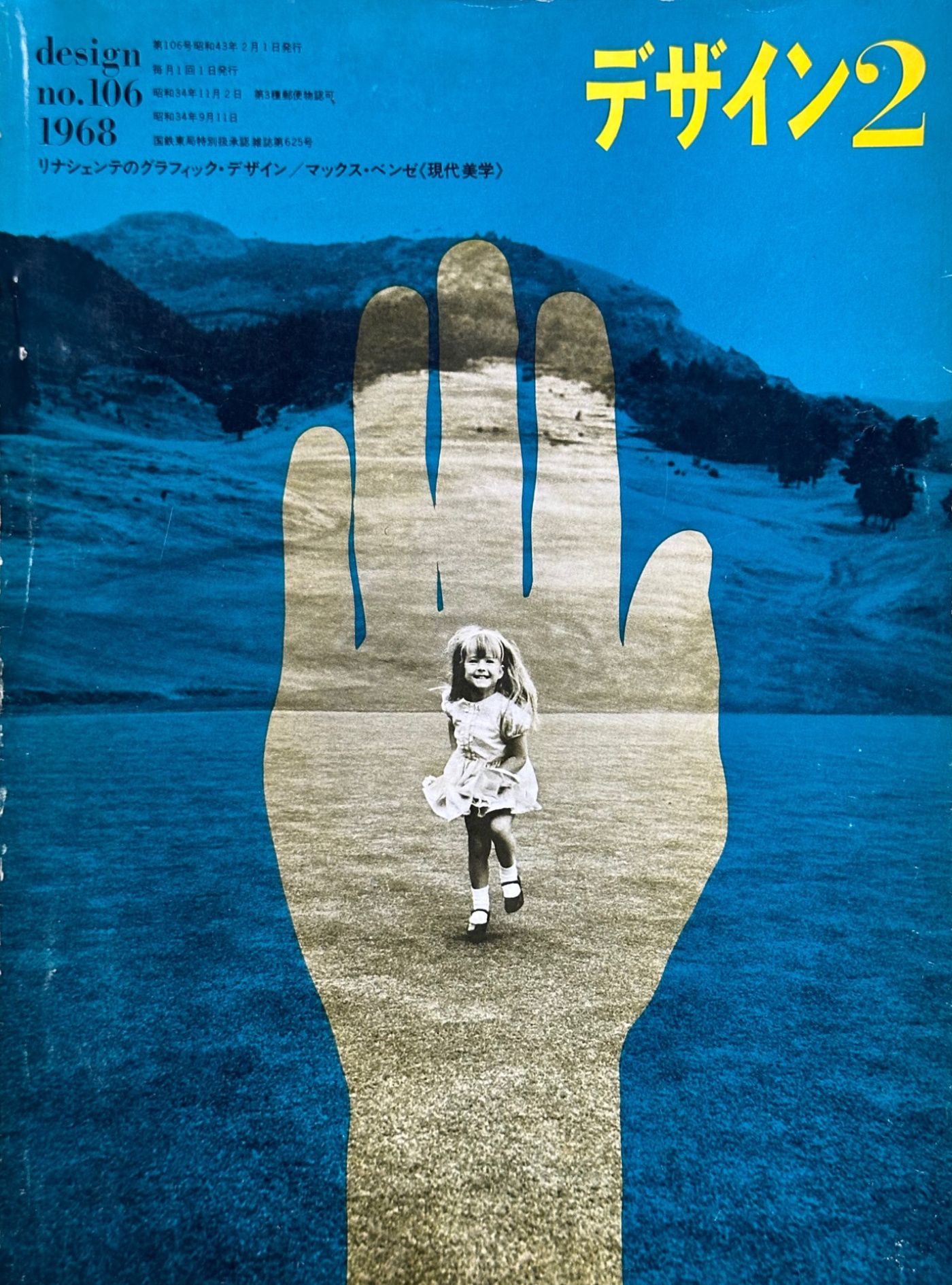
01 / 10Front cover. Iwao Miyanaga’s design frames a running child within a hand.
Magazine or periodical
Design, no. 106, February 1968
1968Computer Technique Group opens its three-part series on graphic design with Star Kennedy, a single-stroke portrait, and a composition of 500 hexagons. Max Bense’s “Modern Aesthetics” appears in the same issue.
- Author / editor
- Computer Technique Group (CTG)
- Publisher
- Bijutsu Shuppansha
Tokyo, Japan - Format
- Printed magazine
- Pages
- 93
- Language
- Japanese
- Edition
- No. 106, February 1, 1968
PDF documents
CTG · English translationEnglish · 6.3 MB
The Concept, Method, and Vision of Computer Graphics, pp. 31–38. Includes the illustrated plates and their captions.
Max Bense · English translationEnglish · 580 KB
Modern Aesthetics, pp. 12–18. Includes the translator’s notes and the biographical sketch.
Related in the collection
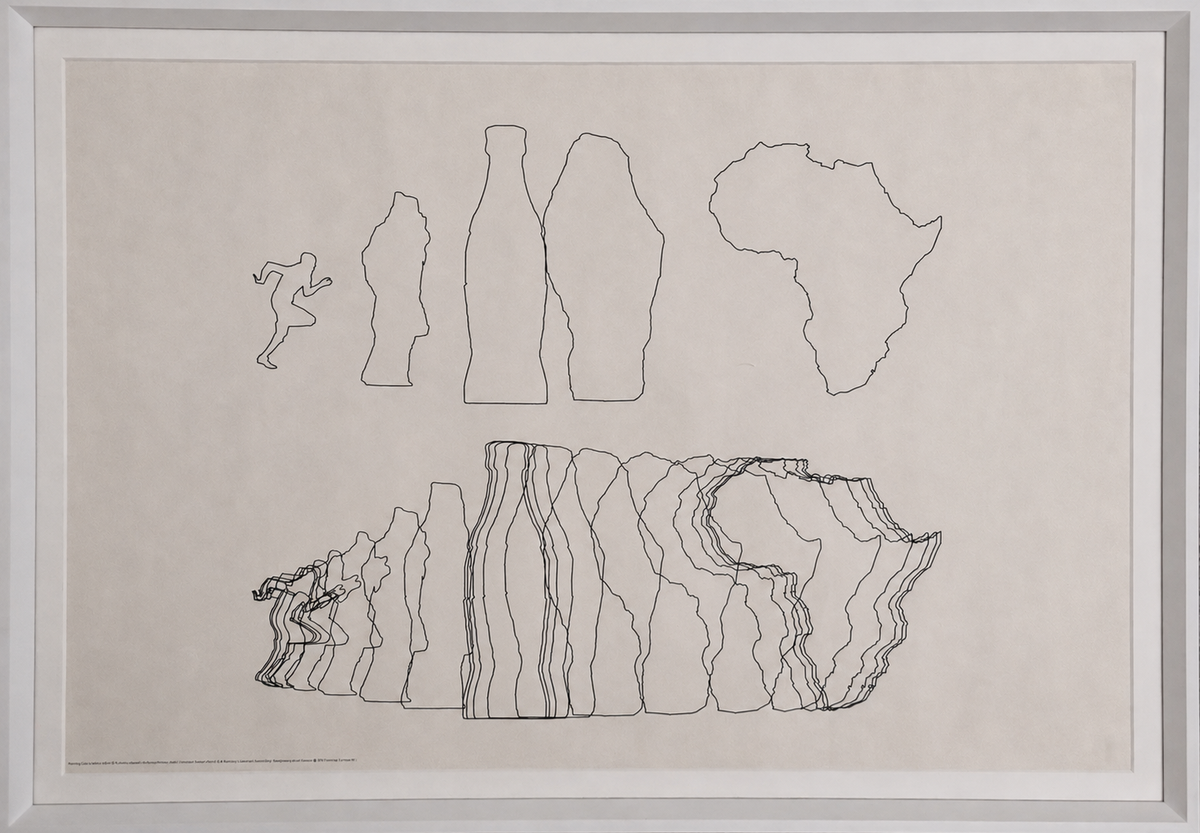
Computer Technique Group (CTG), 1967
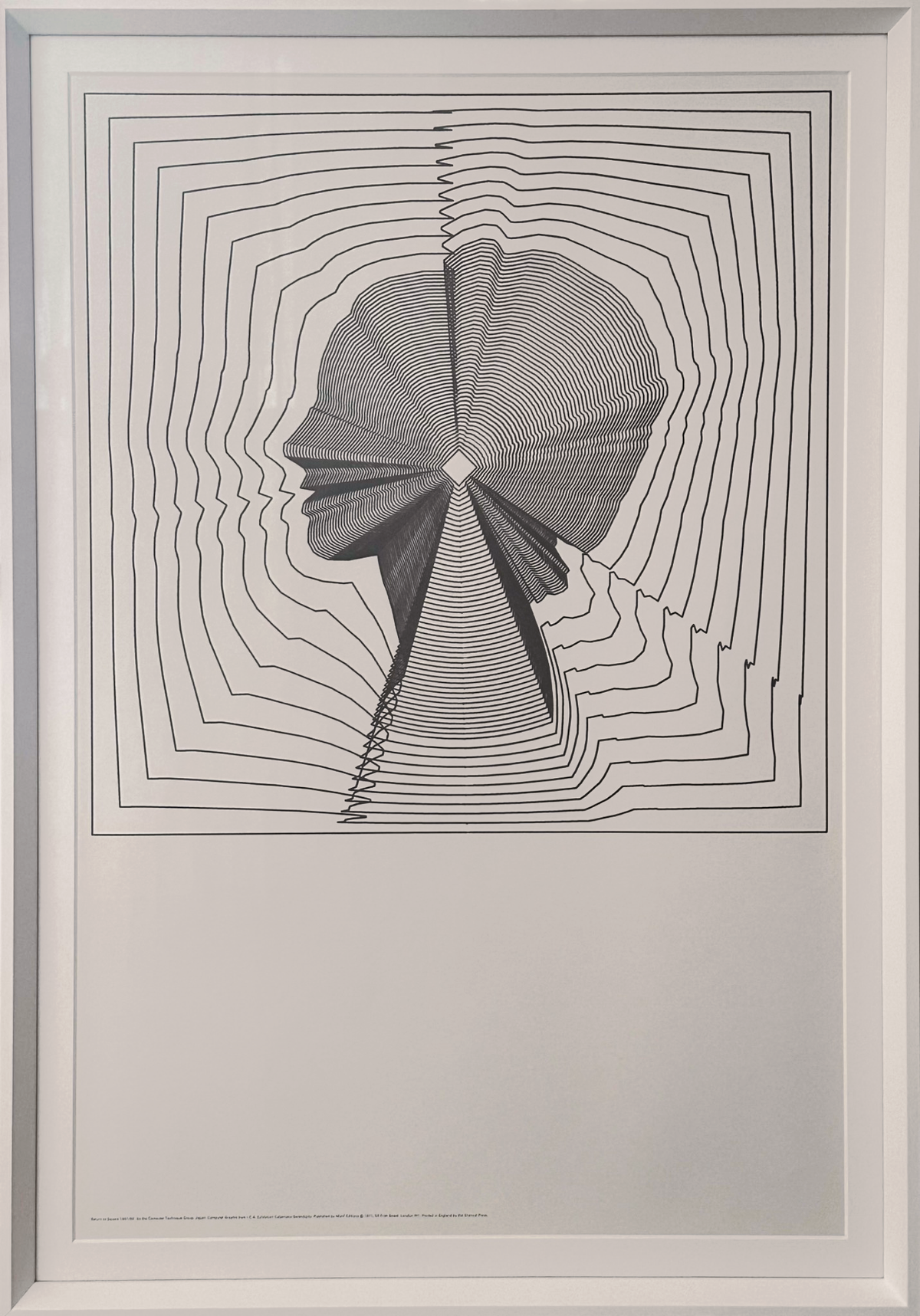
Computer Technique Group (CTG), 1967
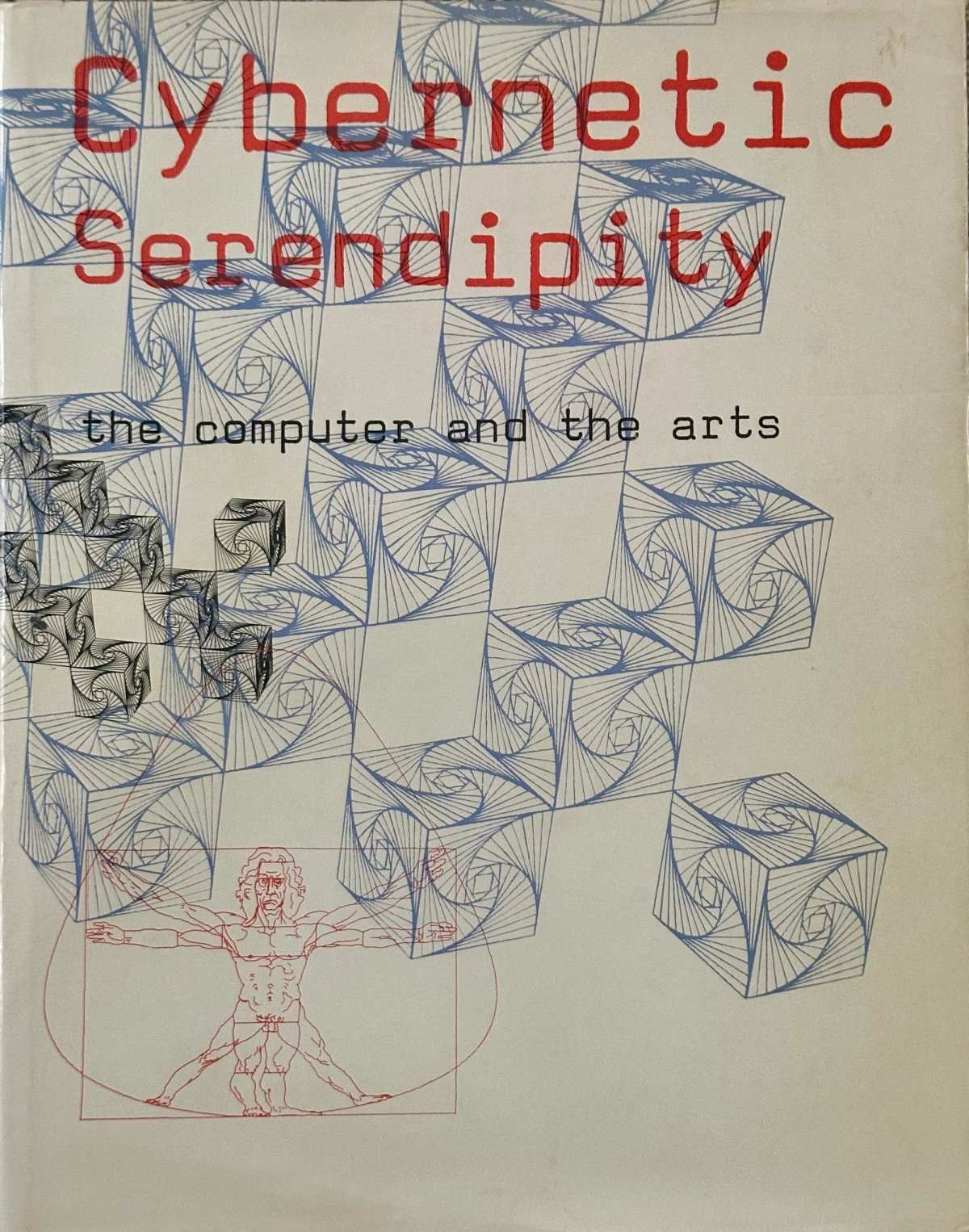
Jasia Reichardt, editor. Franciszka Themerson, design & layout., 1968
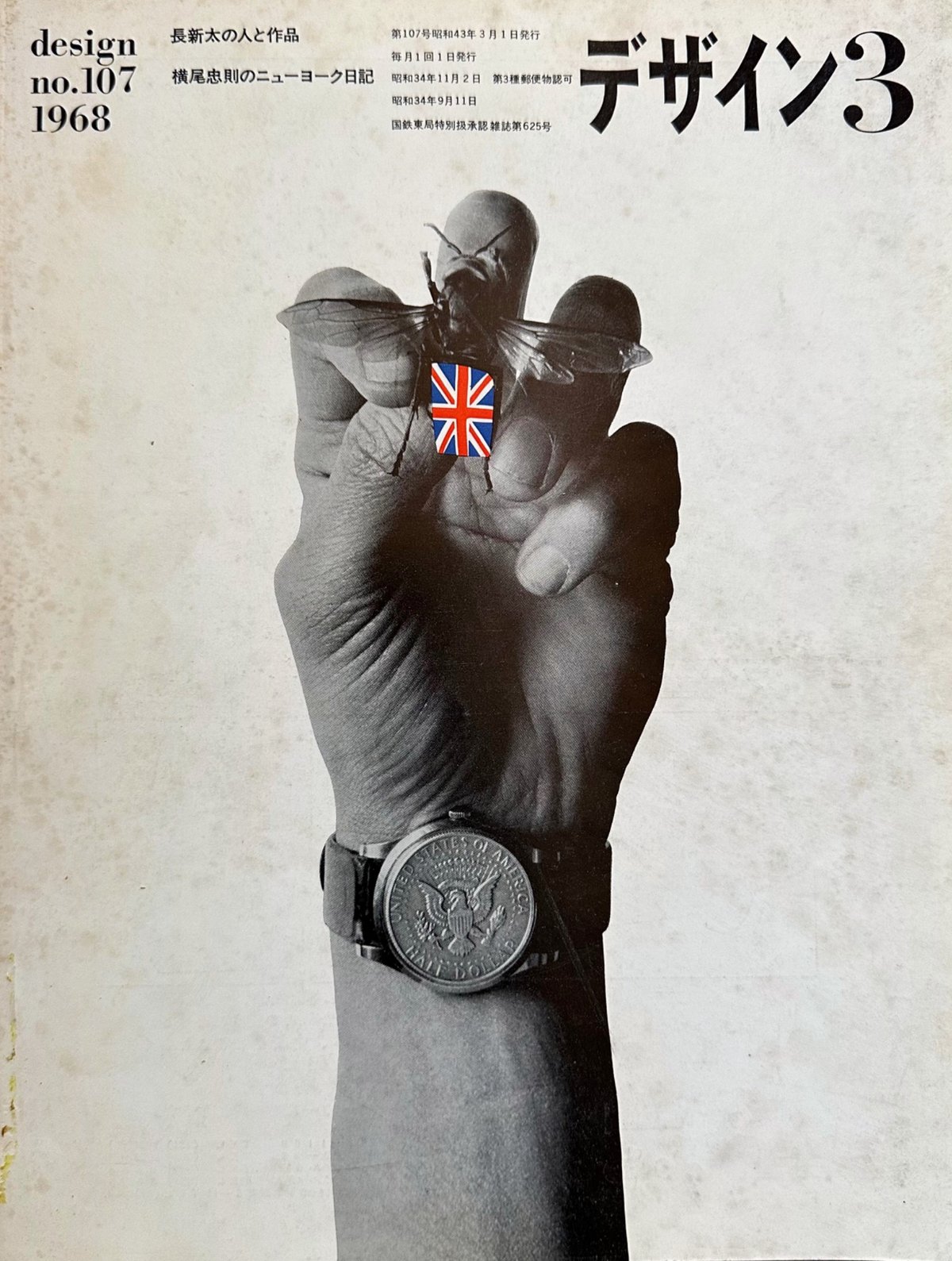
Computer Technique Group (CTG), 1968
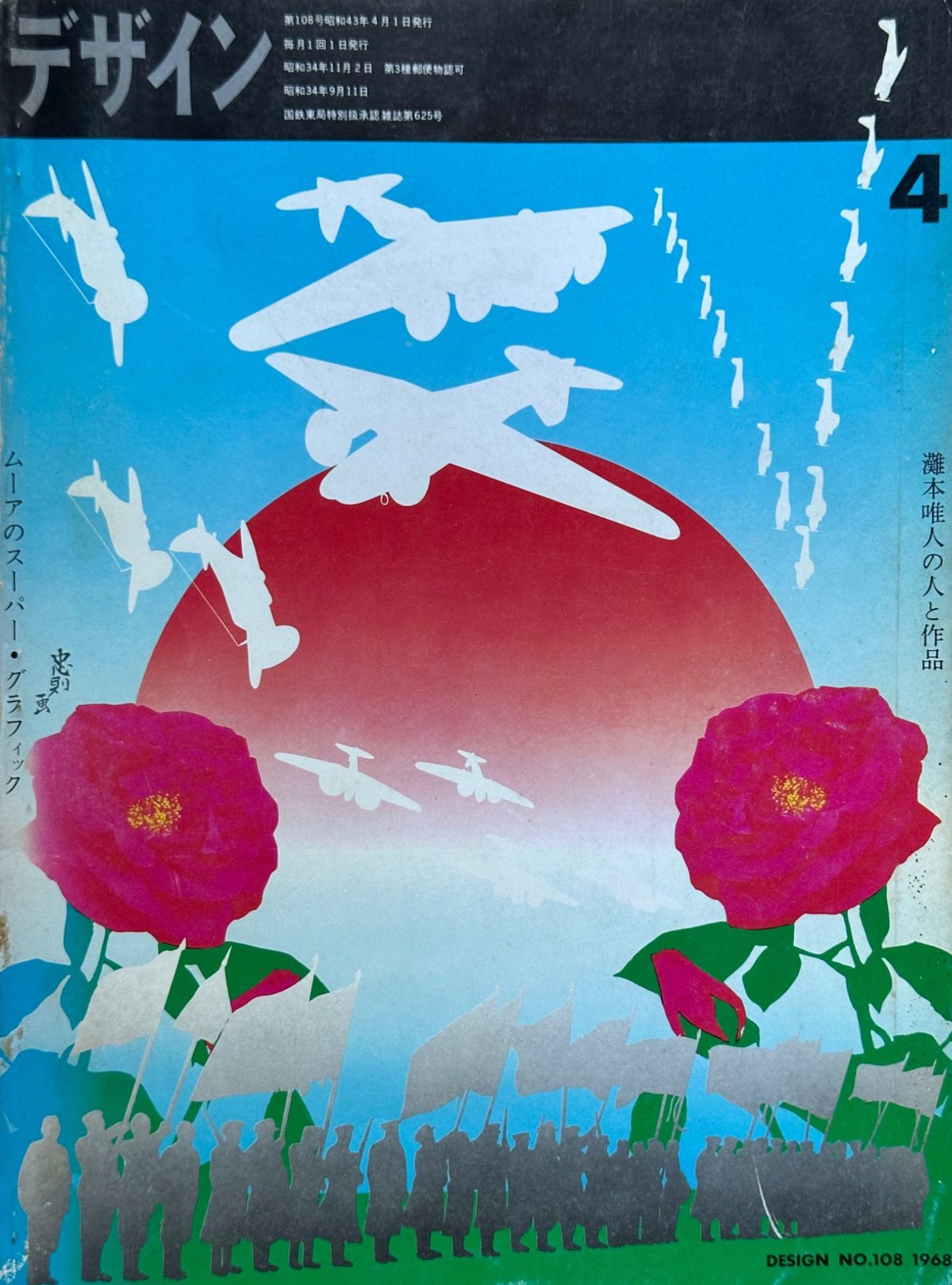
Computer Technique Group (CTG), 1968
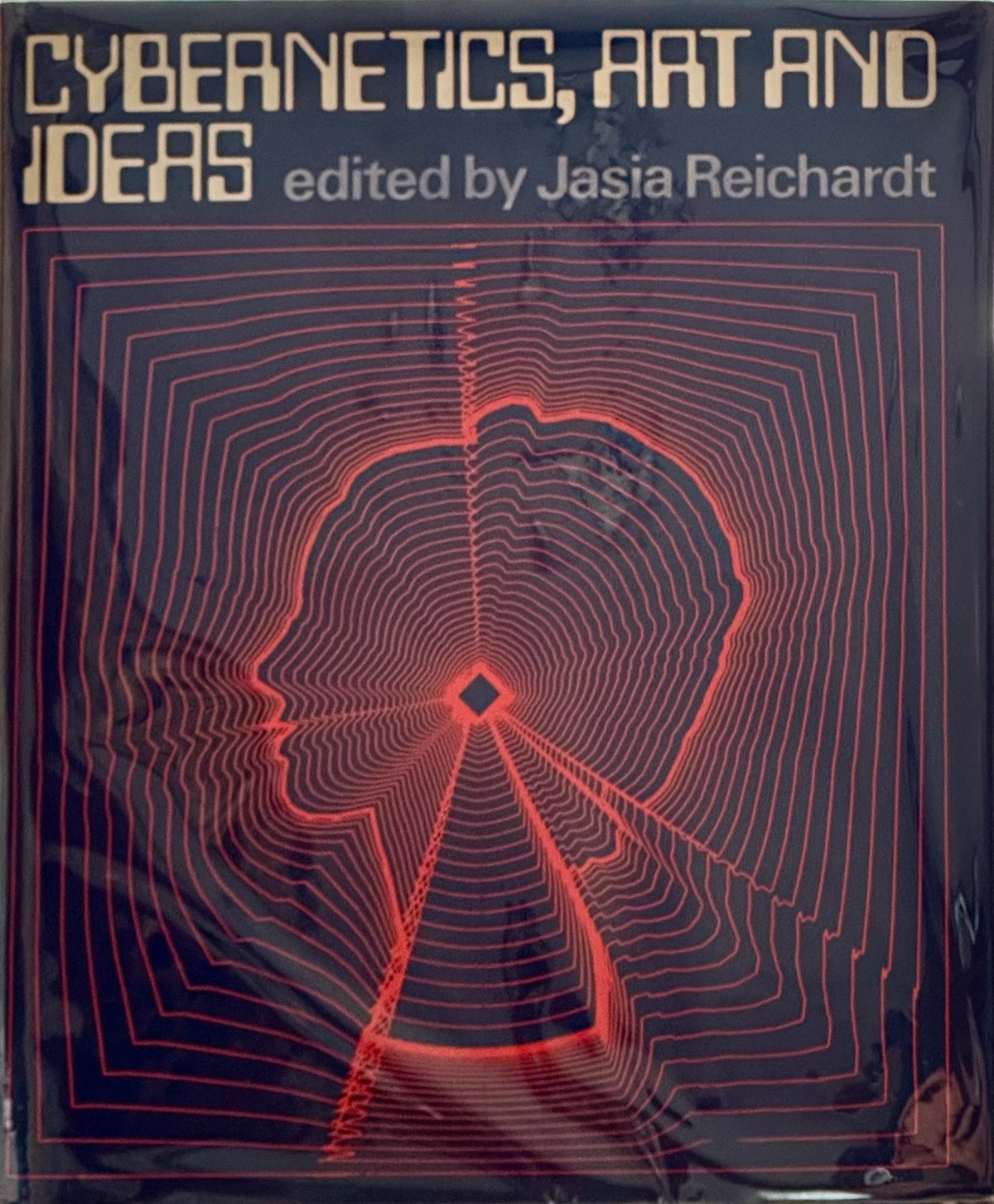
Jasia Reichardt, editor, 1971
Jasia Reichardt, 1971

Association for Algorithmic Art (芸術アルゴリズム研究会) and Tama Art University, editors, 2006
Kazufumi Ōizumi (大泉和文), 2015
On February 1, 1968, the Tokyo monthly Design opened “Graphic Design by Computer,” an illustrated series by Computer Technique Group (CTG). The first installment, “The Concept, Method, and Vision of Computer Graphics” (pp. 31–38), carries Masao Kohmura’s writing credit. Six months before Cybernetic Serendipity opened in London, readers in Japan could see CTG’s portraits and read the group’s account of how they were drawn. The March issue reported on CTG’s 1967 symposium “Electronic Computers and Art” at Tama Art University. The April issue closed the series with “From Programming to Completion,” tracing how CTG turned a program into a plotter drawing.
The uncaptioned portrait on page 32 is Star Kennedy. Five-pointed stars pile up around the eyes, mouth, and hair, leaving the forehead and cheeks open. The facing page sets three more Kennedys beside a polygon portrait of Lyndon Johnson. Haruki Tsuchiya’s 63-line FORTRAN program contained three routines for the Kennedy data. One placed a star at each point, another drew a random path, and a third drew a square. Changing the mark changed the portrait. Museum of Contemporary Art Tokyo, Star Kennedy.
Kohmura describes the random walk in terms of the pen itself. The computer reads 800 points from a photograph and generates ten further points near each one. The pen connects them and travels on to the next cluster without lifting. CTG used FORTRAN IV, an IBM 7090, and a CalComp 563 plotter. The article also imagines a library of three-dimensional subjects that a designer could call up under different lighting or from a new viewpoint, and a type system that could derive an alphabet from three or four model letters.
Earlier in the issue, Max Bense’s “Modern Aesthetics” (pp. 12–18), translated into Japanese by Shūtarō Mukai, asks how mathematical descriptions of order, complexity, and information can apply to art. The photograph on page 13 shows Bense lecturing at Musashino Art University. Page 18 carries Mukai’s notes and a brief biography. The illustrated hand on the front cover is a design by Iwao Miyanaga. Issue bibliography.
Artworks illustrated
Computer Technique Group (CTG) made all the works illustrated on pp. 32–38.
Cover designs: Iwao Miyanaga designed the front cover. The floral drawing reproduced on the Turner Design Corner back cover is by Fumie Andō.