

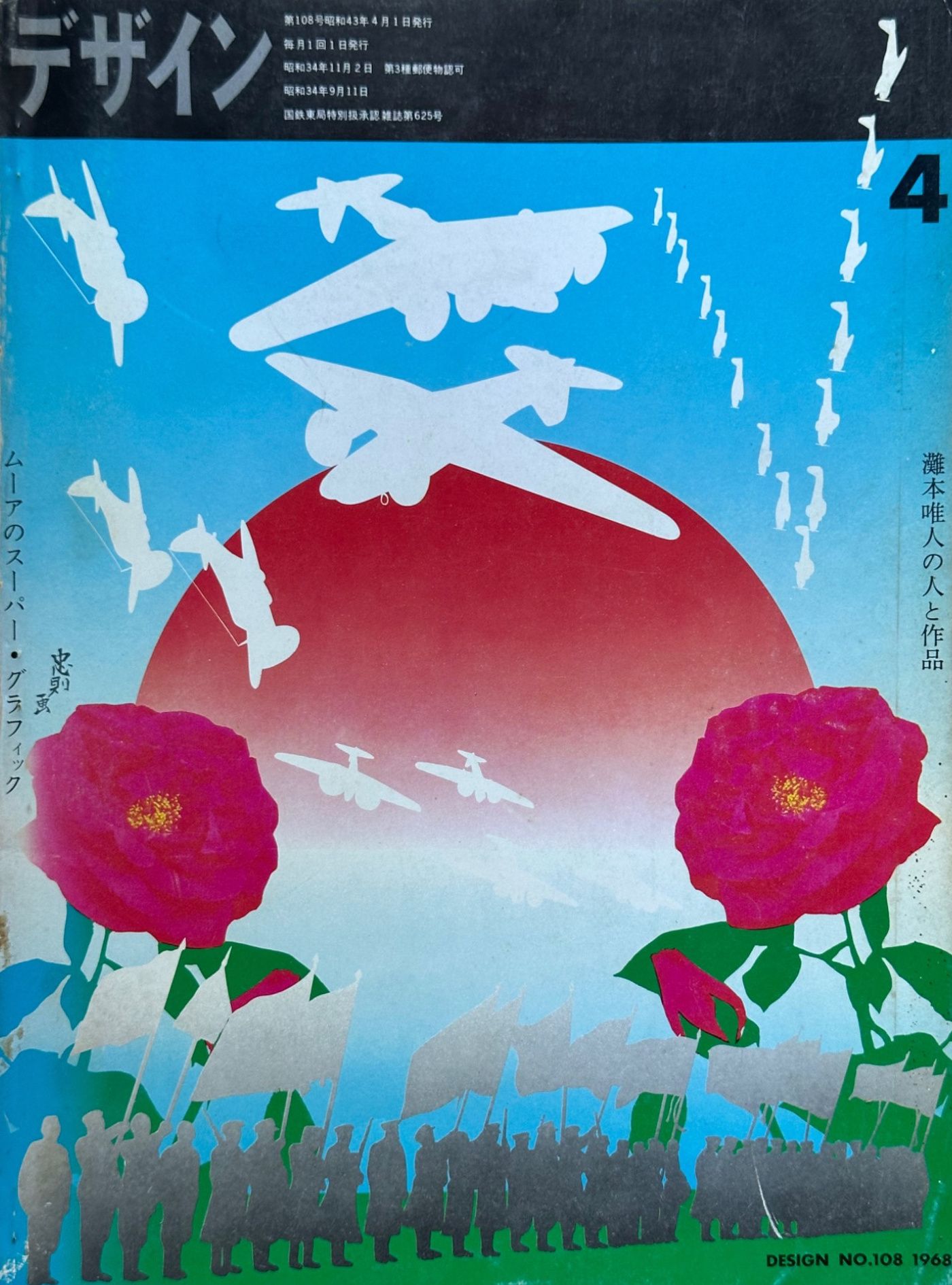
01 / 10Front cover by Tadanori Yokoo.
Magazine or periodical
Design, no. 108, April 1968
1968Haruki Tsuchiya and Masao Kohmura explain how CTG programmed Computer Happening, drew with a plotter, and used the names of popular rhythms to invent new words. The article concludes the group’s three-part series on graphic design by computer.
- Author / editor
- Computer Technique Group (CTG)
- Publisher
- Bijutsu Shuppansha
Tokyo, Japan - Format
- Printed magazine
- Pages
- 103
- Language
- Japanese
- Edition
- No. 108, April 1, 1968
PDF document
CTG · English translationEnglish · 10 MB
From Programming to Completion, pp. 32–39. Includes the figure captions, flowcharts, and Computer Naming tables.
Related in the collection
Computer Technique Group (CTG), 1967
Computer Technique Group (CTG), 1967
Jasia Reichardt, editor. Franciszka Themerson, design & layout., 1968
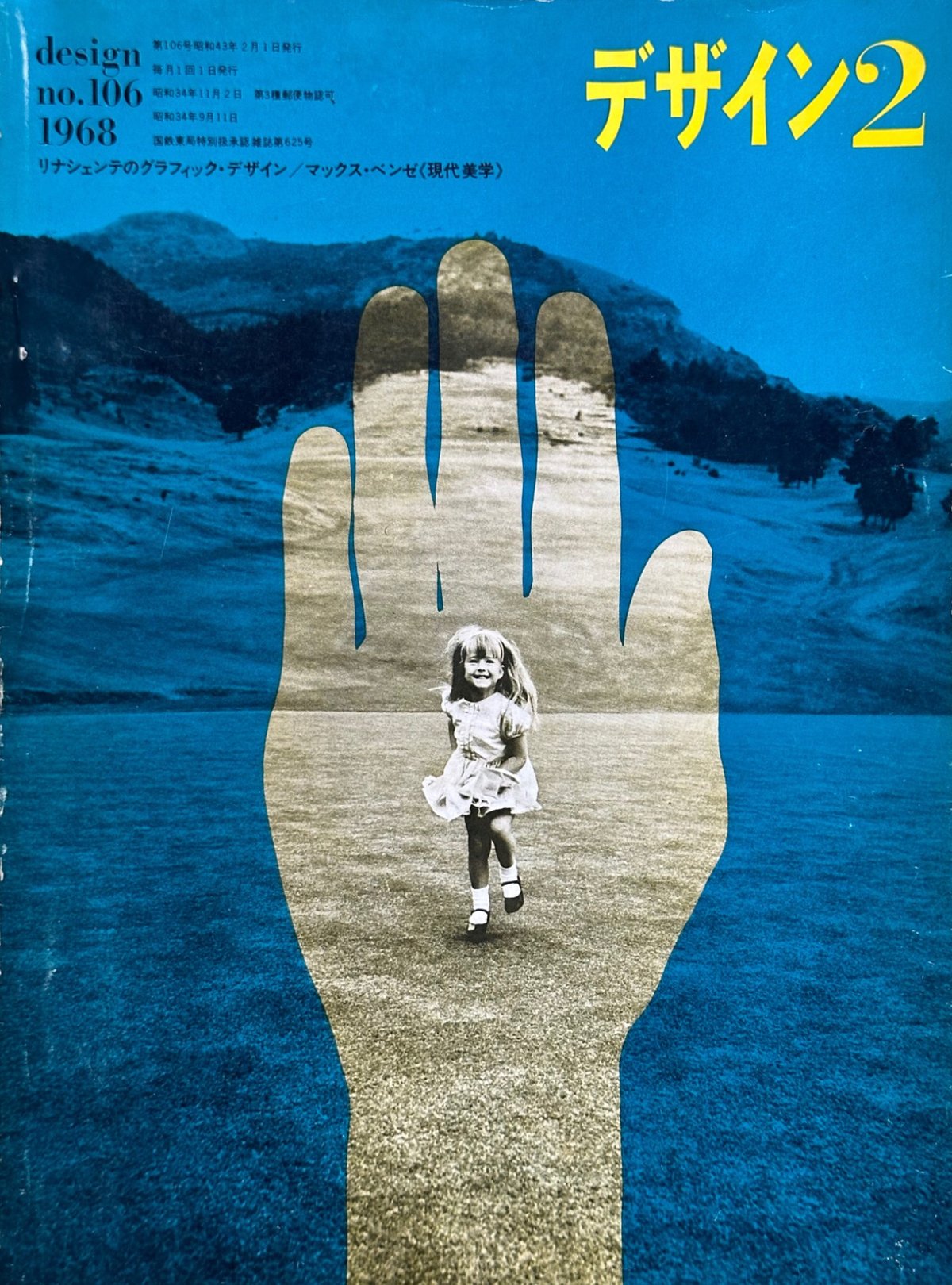
Computer Technique Group (CTG), 1968
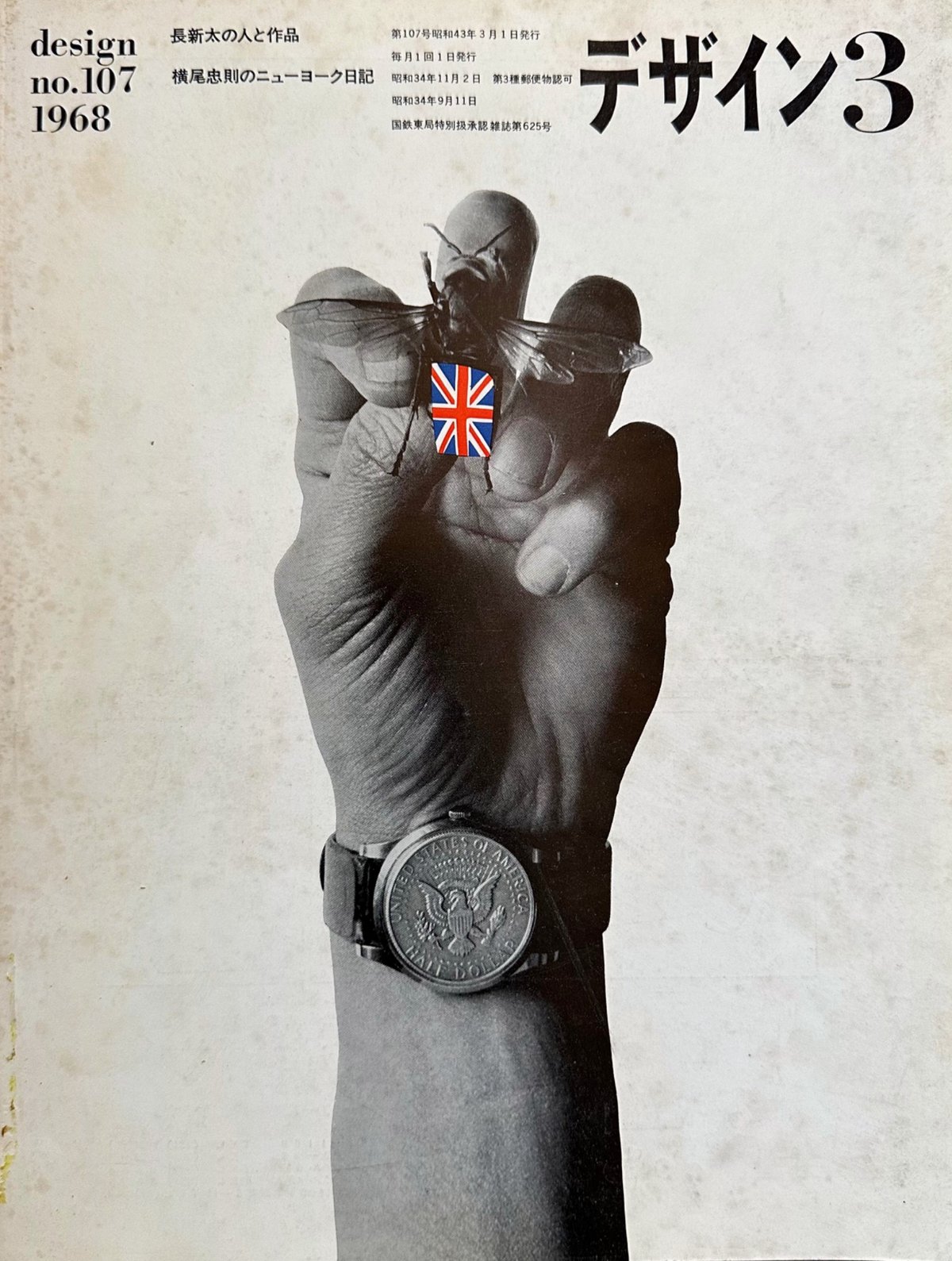
Computer Technique Group (CTG), 1968
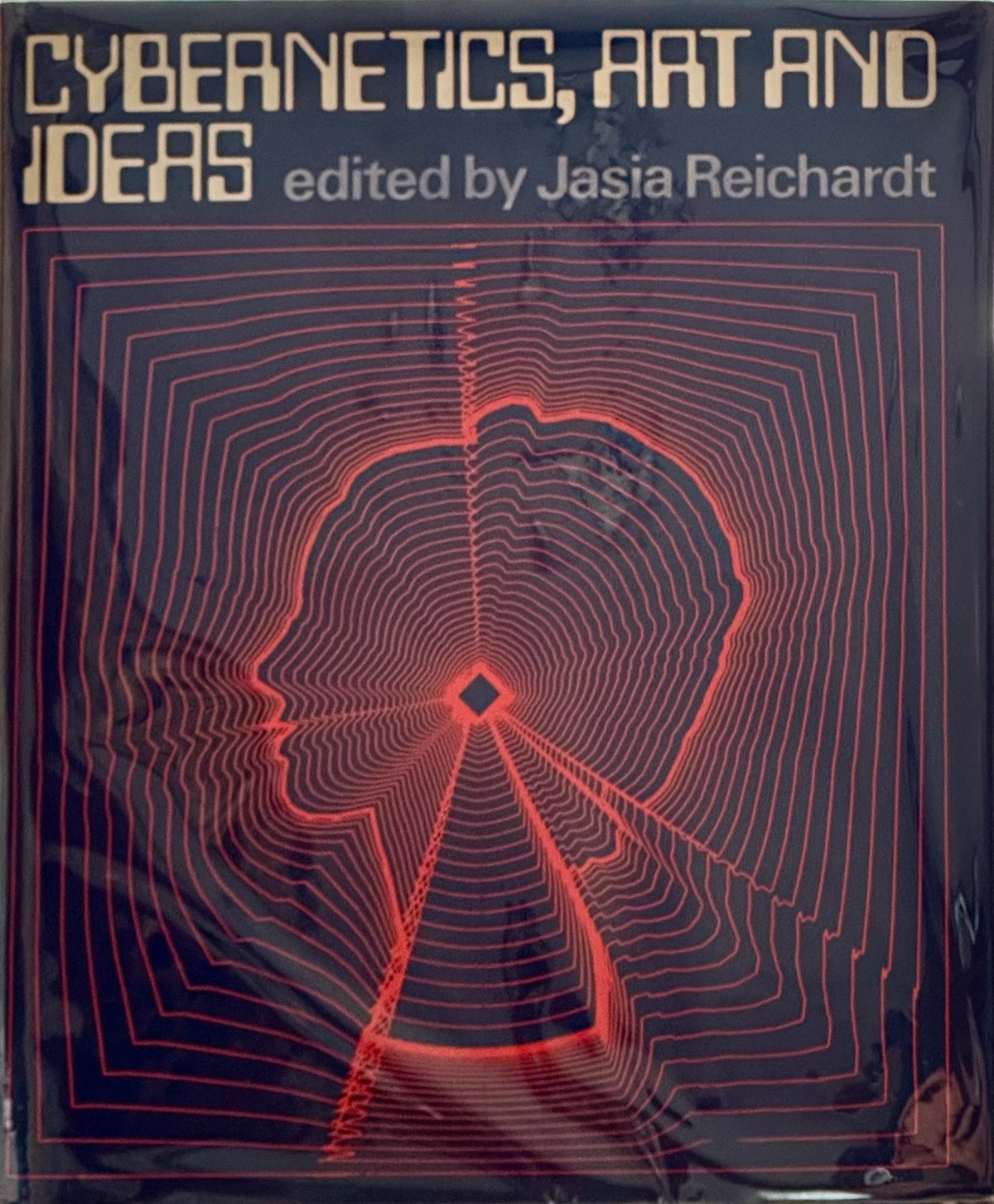
Jasia Reichardt, editor, 1971
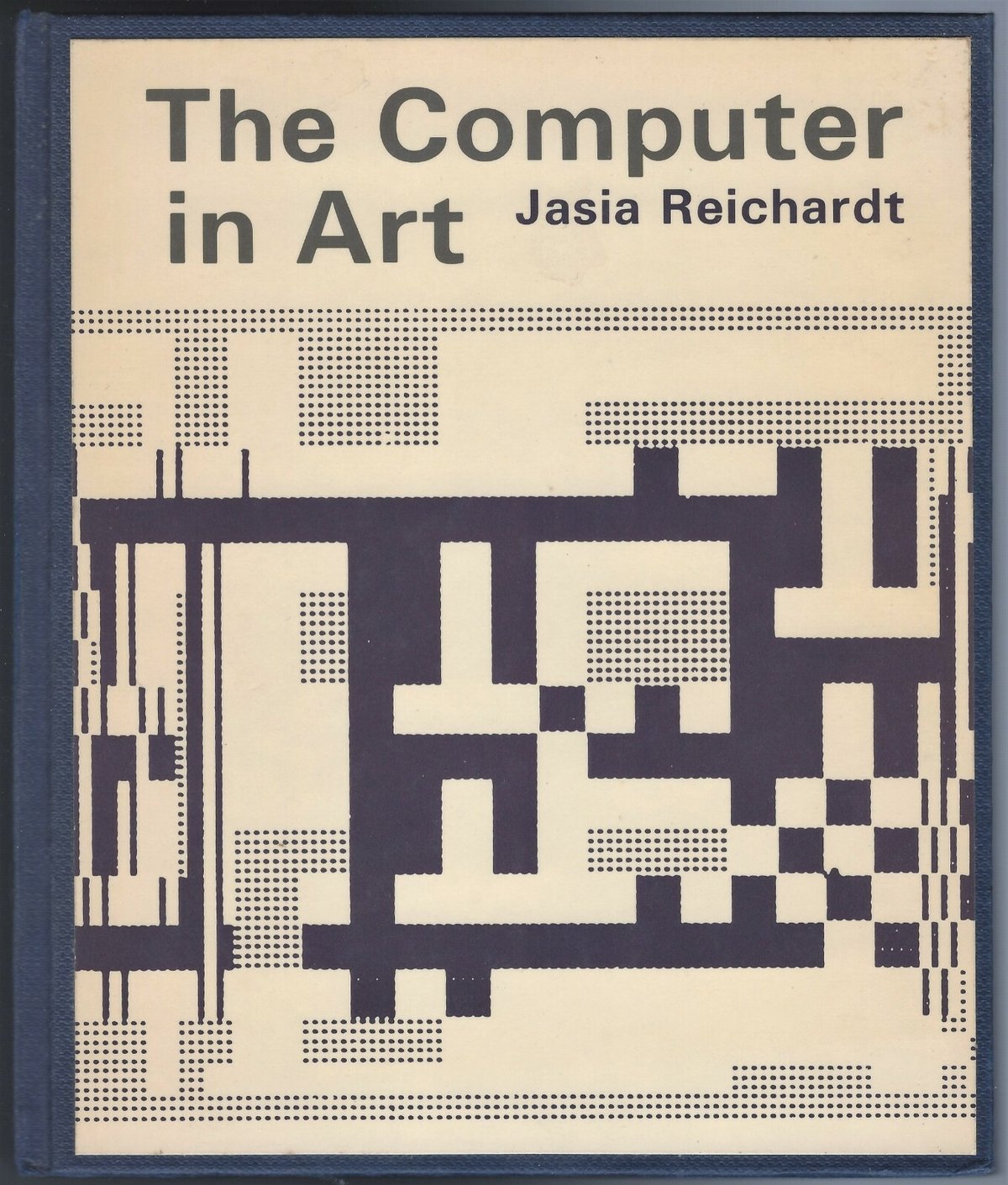
Jasia Reichardt, 1971

Association for Algorithmic Art (芸術アルゴリズム研究会) and Tama Art University, editors, 2006
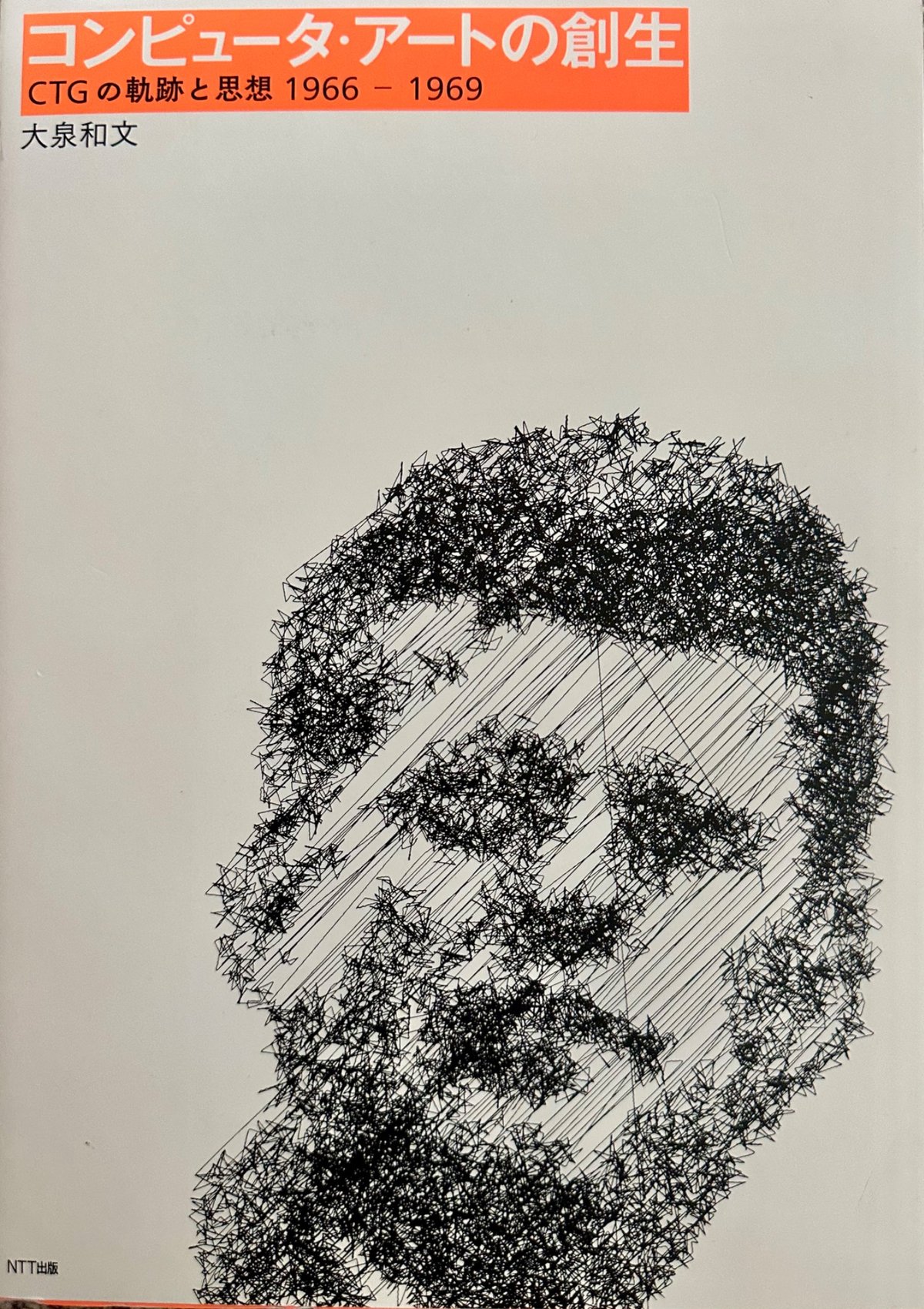
Kazufumi Ōizumi (大泉和文), 2015
“From Programming to Completion” (pp. 32–39) is the final installment of Computer Technique Group’s “Graphic Design by Computer.” Where the February issue introduced CTG’s methods and the March issue reported on the symposium “Electronic Computers and Art,” April lets the reader follow a drawing from an idea to the movement of a pen. The text is signed by Haruki Tsuchiya and Masao Kohmura. Tadanori Yokoo designed the cover.
The example is Computer Happening, illustrated in February. Its flowchart calls drawing routines for letters, digits, and signs. Chance determines which mark appears and where it lands. A rule set by the artists makes marks smaller as they fall farther from the center. Seven photographs taken at the IBM Data Center show the machines involved, from the card reader and punch to the plotter. CTG describes coding in FORTRAN IV, recording drawing instructions on magnetic tape, and running the tape on a CalComp 563.
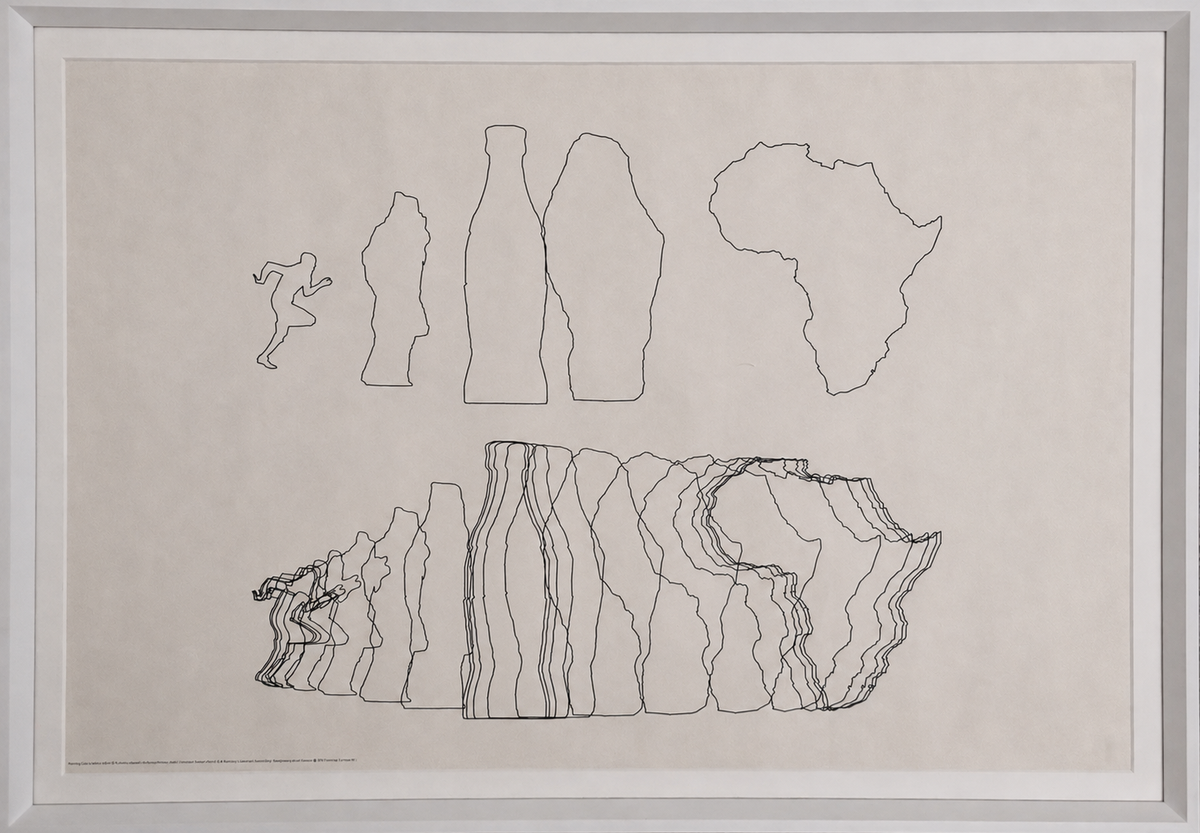
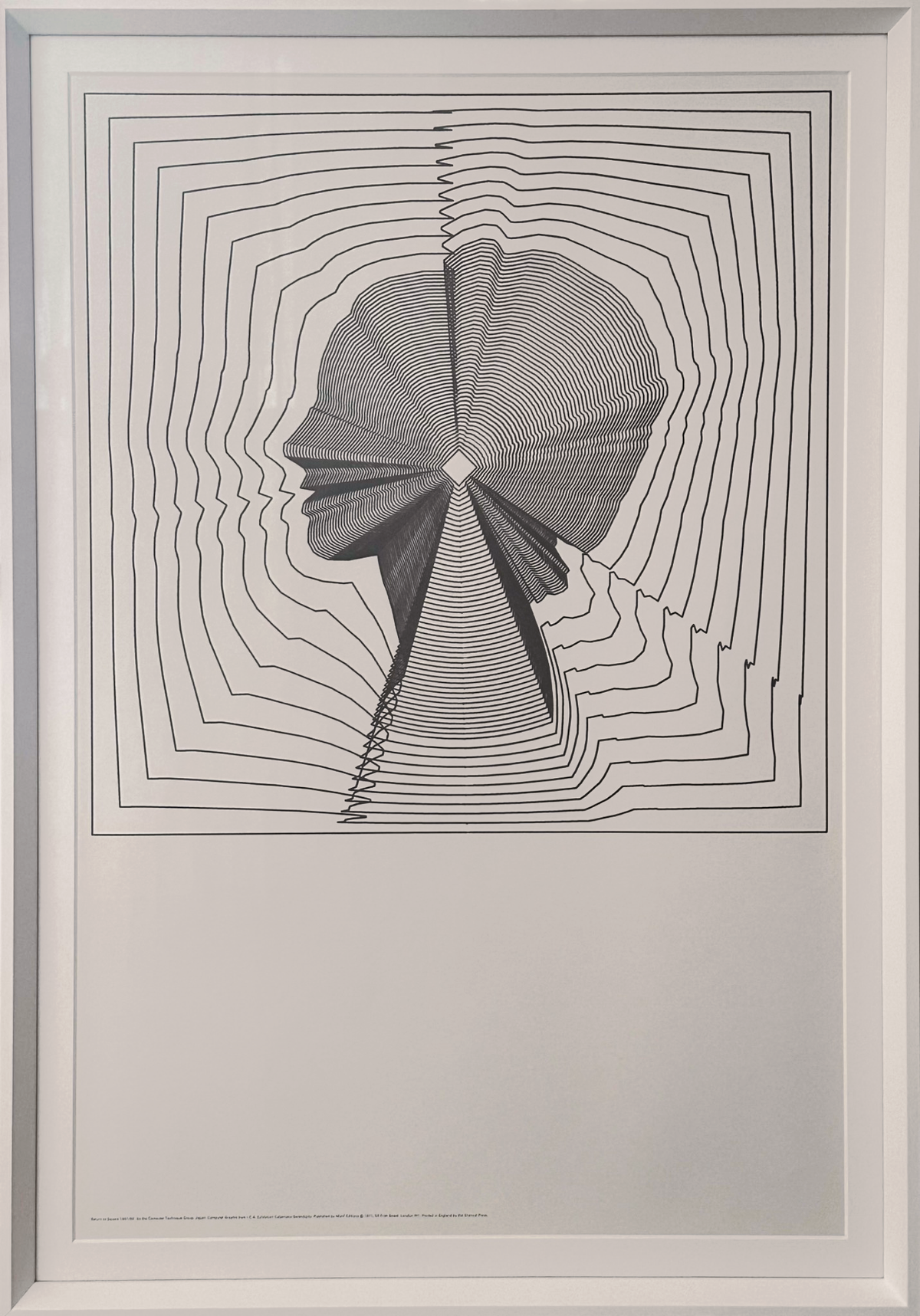
In Computer Evolution, a square gradually becomes a regular forty-sided polygon and returns to a square. Computer Arrows directs marks toward three centers of attraction. Later pages show Computer Frame, a set of decaying sine curves, and Sine Curve Kennedy. The Digital Mona Lisa on page 34 is a comparison supplied by Control Data.
Tsuchiya and Kohmura consider the computer as an agent of creation, a medium, and a controller. The closing experiment, “Computer Naming,” takes those ideas beyond drawing. Keitarō Miho and Takeshi Terauchi supplied and weighted names of popular rhythms. CTG used a Markov process to learn which letters tended to follow one another, then generated candidates such as SAPICA, SHAMBA, and TWISTOK. The final page prints the input examples and the new names beside a sequence of Kennedy portraits.
Artworks illustrated
Cover designs: Tadanori Yokoo designed the front cover. The four geometric designs reproduced on the Turner Design Corner back cover are credited to 近藤敬子.