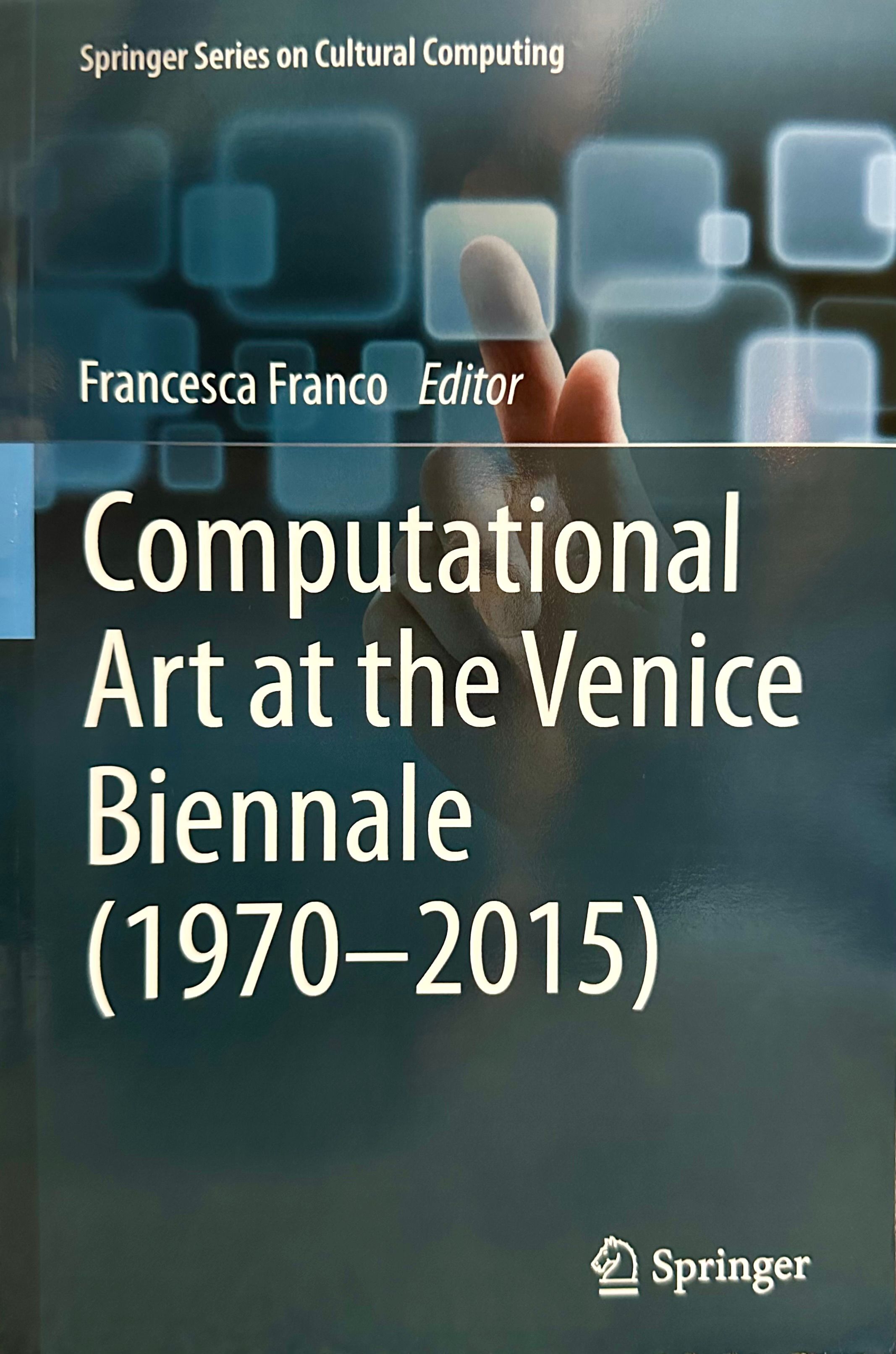
01 / 05Front cover of Computational Art at the Venice Biennale (1970–2015), edited by Francesca Franco (Springer, 2026). The volume follows computational art through a major exhibition institution, linking early computer graphics to later participatory and networked practices.
Book
Computational Art at the Venice Biennale (1970–2015)
2026Luis Fernando Benedit ↗Computer Technique Group (CTG) ↗William Fetter ↗Herbert W. Franke ↗Frieder Nake ↗
Francesca Franco’s history of computational art at the Venice Biennale connects institutional recognition with artistic and political debate. Particularly valuable are her interview with Frieder Nake and her discussion and historic context of CTG and other computer artists in the 1970 biennale.
- Author / editor
- Francesca Franco, editor
- Publisher
- Springer
Cham, Switzerland - Format
- Softcover
- Pages
- 95
- Language
- English
- Edition
- First edition
Related in the collection
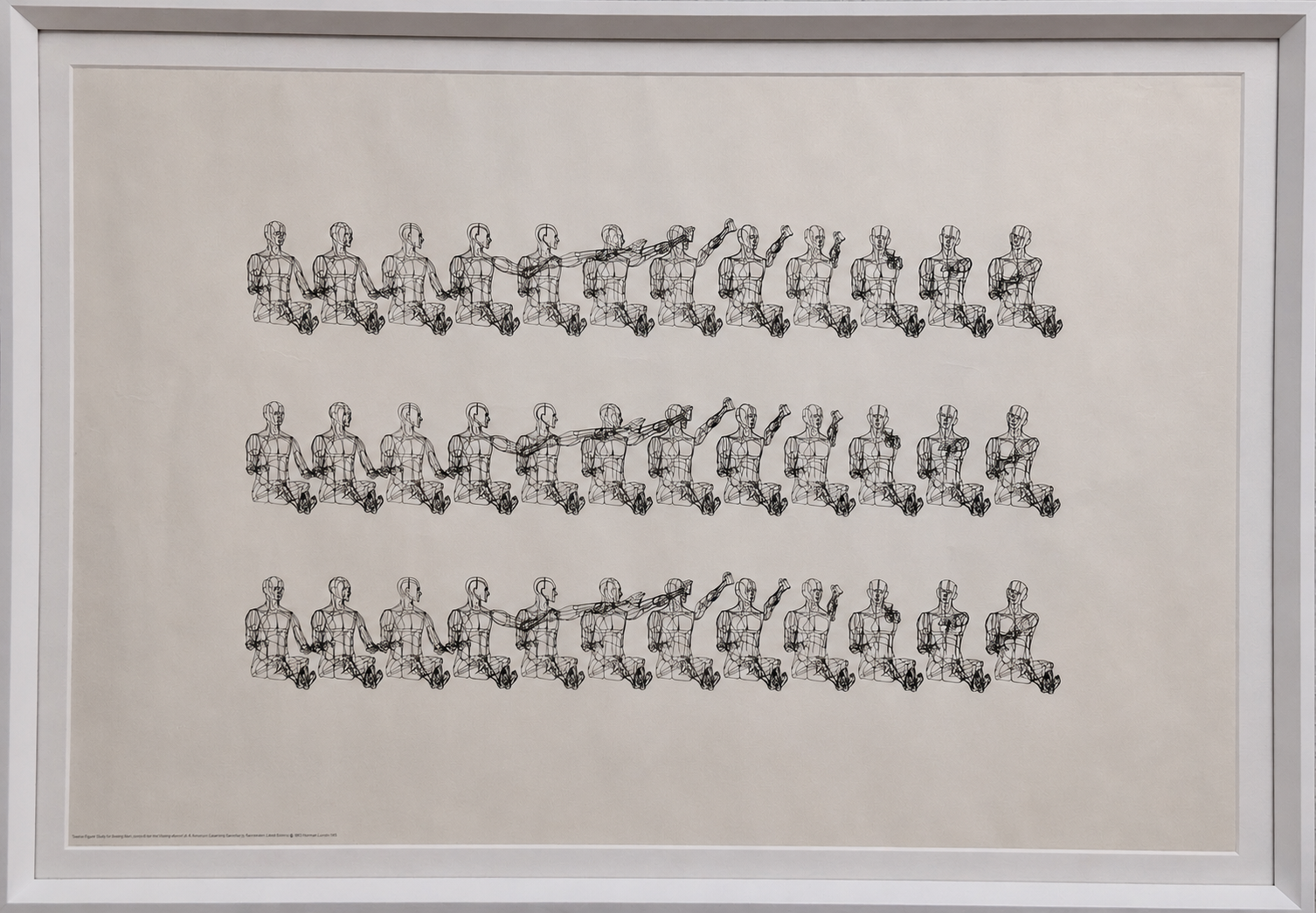
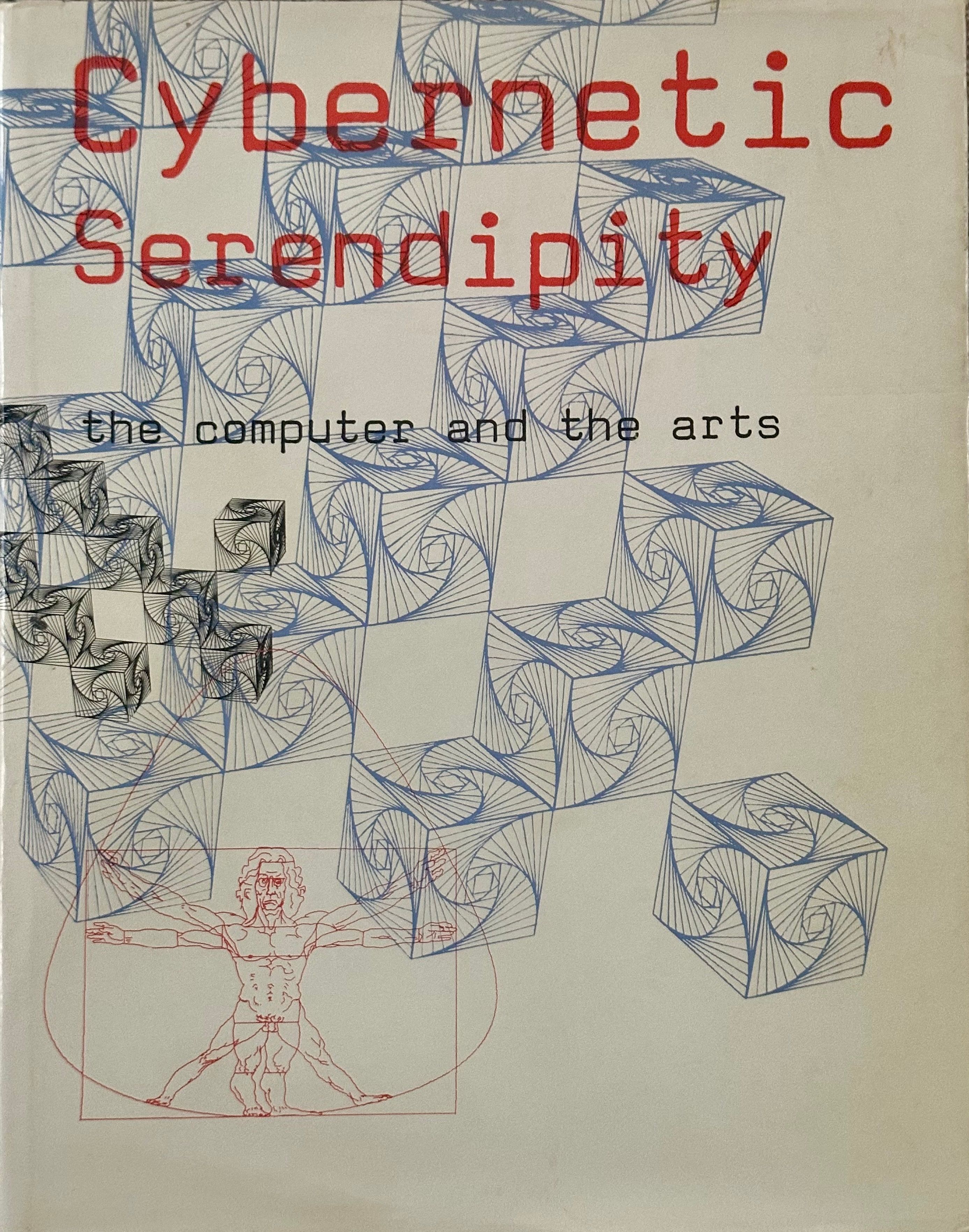
William Fetter, 1968
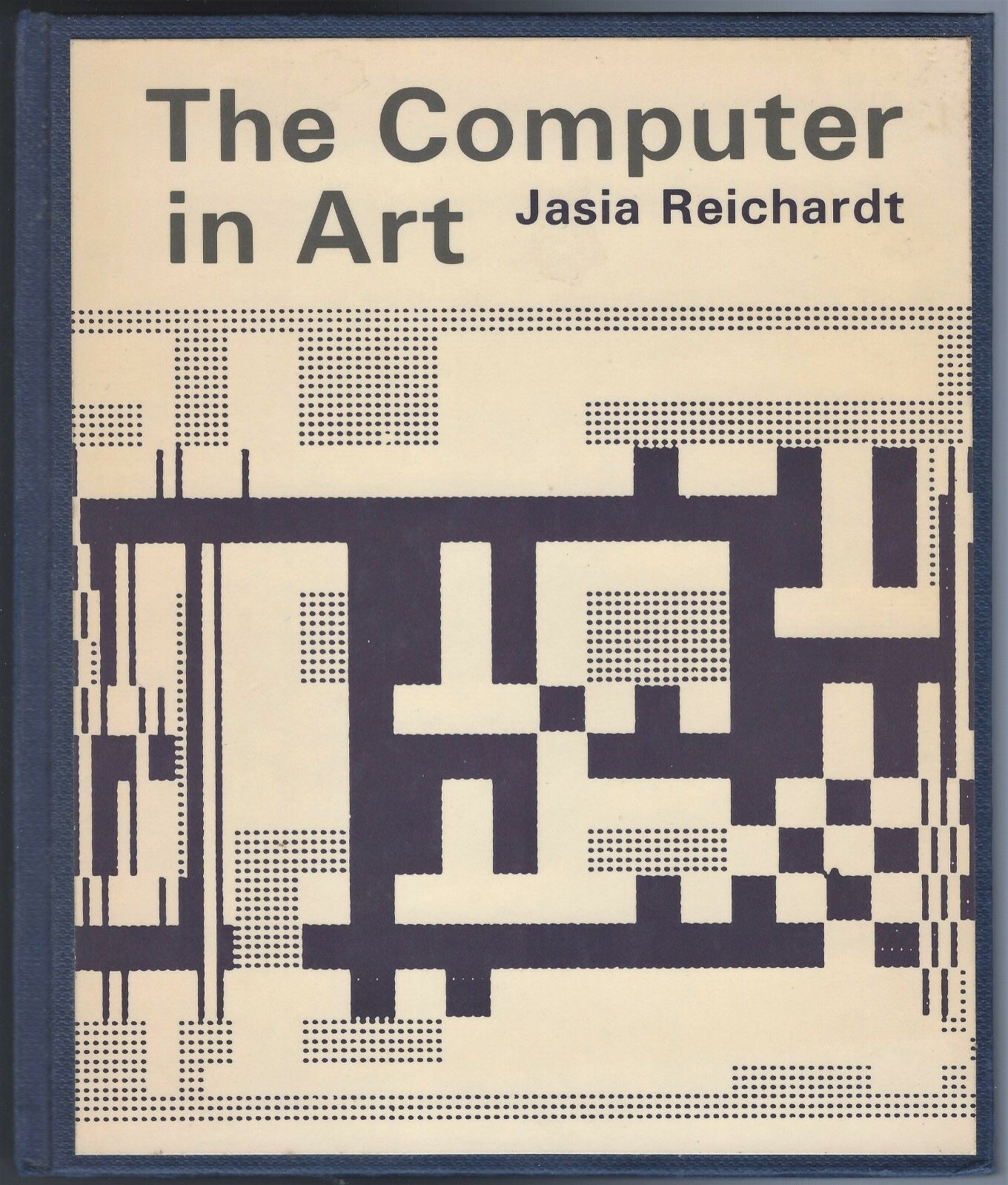
Jasia Reichardt, editor. Franciszka Themerson, design & layout., 1968
Jasia Reichardt, 1971
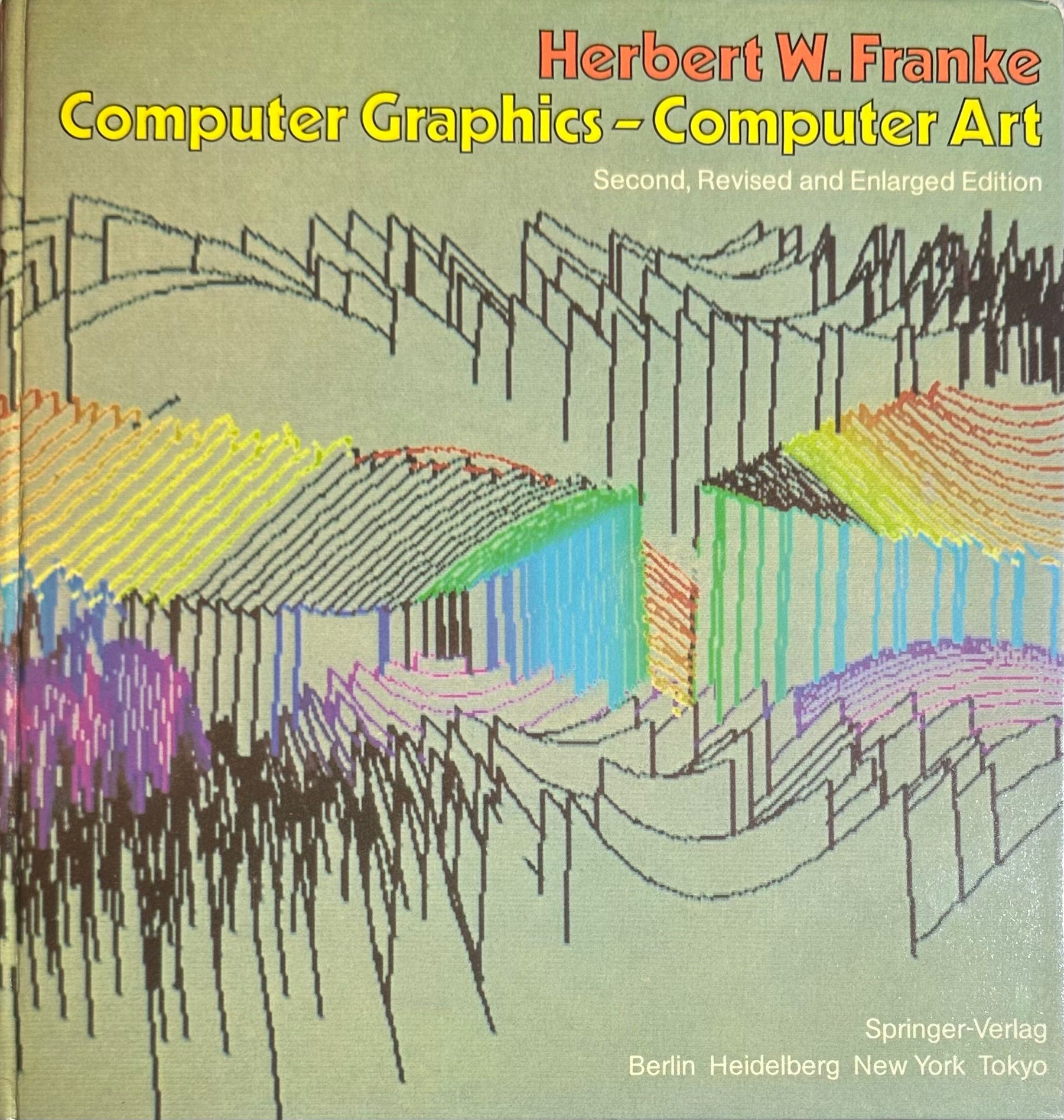
Herbert W. Franke, 1985
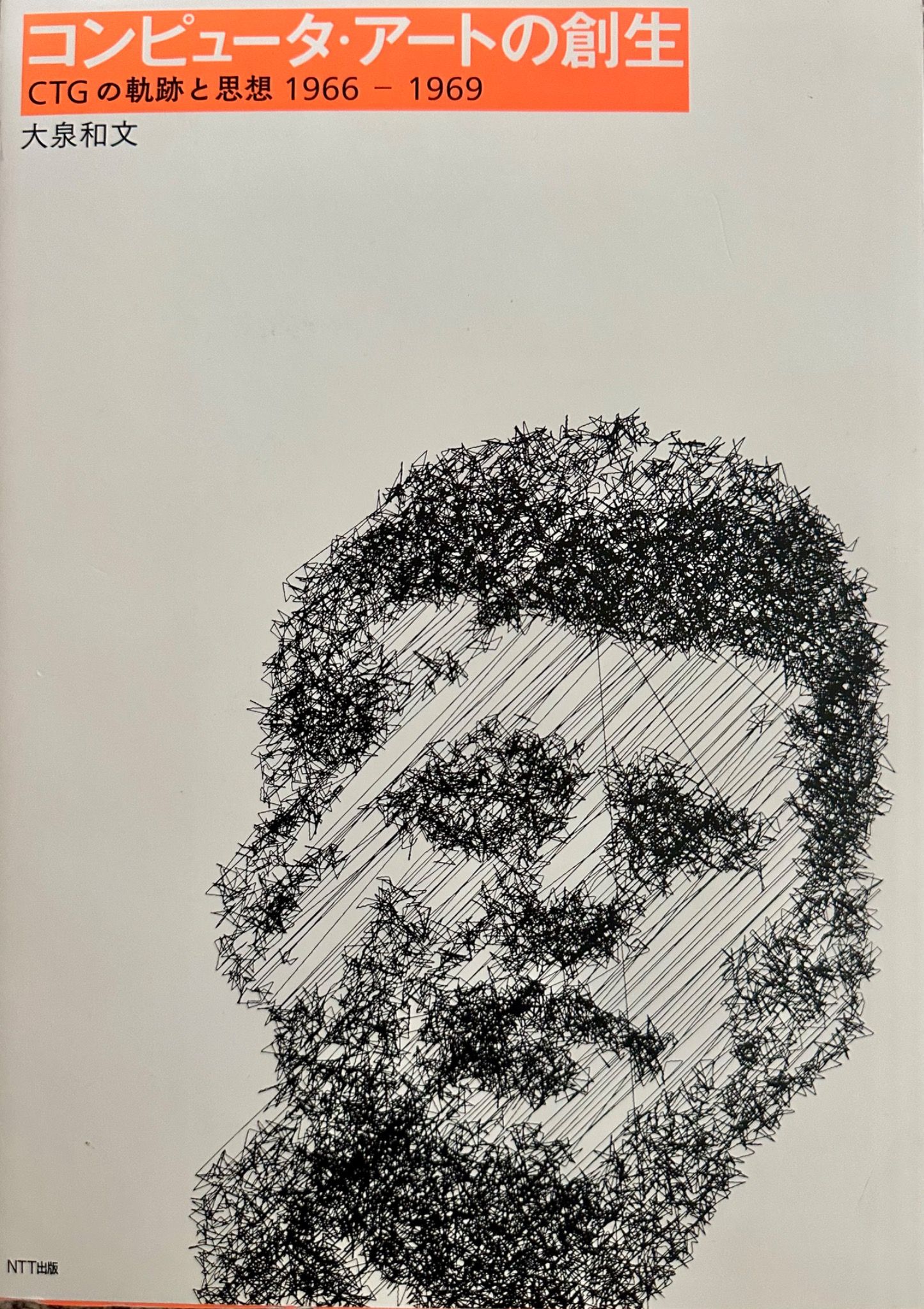
Kazufumi Ōizumi (大泉和文), 2015
Edited by Francesca Franco, this volume examines computational art at the Venice Biennale through historical essays, artists’ accounts and interviews. Its span from 1970 to 2015 connects the early admission of computer-generated work into a major international exhibition with later experiments in software, augmented reality and networked practice. Contributions include Simon Pope, Tamiko Thiel, Joseph Nechvatal and Fré Ilgen, Maureen Kendal’s discussion of Orly Aviv, and Franco’s interviews with Frieder Nake, Paul Thomas and Maria Grazia Mattei.
Nake recounts the institutional validation of computer art at the 1970s biennale. He also dates his public withdrawal from computer art to publications in PAGE in May 1970 and October 1971, explaining it in political and ethical terms. He identifies a 1985 essay as a starting point for his gradual return. Pages 52-53 give a personal explanation for one pioneer’s interruption and return during the decades after the first wave of computer-art exhibitions.
Franco’s essay Art and Technology at the Venice Biennale, 1968–1970 places the 1970 exhibition within the political and institutional upheaval of 1968. Student protests, challenges to the art market, and disputes over traditional artistic categories intersected with kinetic, cybernetic and participatory practices. Her examples range from David Lamelas’s Vietnam War news-based installation and Nicolas Schöffer’s light environments to Luis Fernando Benedit’s bee habitat Biotron and computer-designed modular structures in the Dutch Pavilion. In this account, technological art helped the Biennale reconsider both the artwork and the spectator’s role (pp. 55–60).
Page 60 is particularly relevant to Computer Technique Group. Franco explicitly lists Return to a Square among the works displayed in the main pavilion’s 1970 Research and Planning exhibition, alongside Herbert W. Franke’s Electronic Graphics, works by Auro Lecci, Frieder Nake’s Matrix Multiplication, Georg Nees’s Computer Graphics, and a computer-generated sculpture by Richard C. Raymond. Franco also describes public printmaking workshops and Pietro Grossi’s demonstrations of the Digital Computer Music Program (pp. 60–61).
Franco’s conclusion treats the Biennales of 1968 and 1970 as exceptional openings, rather than the beginning of an uninterrupted institutional welcome.
Publication details and contents: Springer Nature.